Discover the Ruaha National Park Safari Guide with expert tips on wildlife, best travel seasons, safari activities, and local insights for an unforgettable Tanzania adventure.
This Ruaha National Park Safari Guide reveals the best time to visit, wildlife experiences, safari activities, and local travel tips to help you plan an unforgettable Tanzania safari.
Ruaha National Park Safari Guide
Tanzania is home to some of Africa’s most extraordinary wildlife destinations, and one of its most underrated gems is Ruaha National Park. Known for its dramatic landscapes, massive elephant populations, and fewer crowds compared to other parks, Ruaha offers a truly authentic safari experience.
Located in southern Tanzania, Ruaha forms part of the vast Rungwa-Kizigo-Muhesi Ecosystem, one of the largest protected ecosystems in East Africa. Visitors here can witness raw, untouched wilderness where wildlife thrives far from busy tourist routes.
This comprehensive Ruaha safari guide by JoyTrekking Tours & Safaris explains everything international travelers need to know from the best time to visit to wildlife highlights, safari tips, and travel planning insights.
Quick Summary
? Location: Southern Tanzania near Iringa town
? Park Size: About 20,000 square kilometers
? Famous for: Large elephant herds and predator populations
? Best time to visit: June to October (dry season)
? Best for: Photographers and adventurous travelers
Where Is Ruaha National Park?
Ruaha National Park lies approximately 625 km west of Dar es Salaam and about 130 km from Iringa.
The park is part of Tanzania’s southern safari circuit and is famous for its unique blend of East and Southern African ecosystems.
The Great Ruaha River flows through the park and serves as a lifeline for wildlife during the dry season.
According to conservation data from the World Wildlife Fund, the Ruaha ecosystem holds one of the largest elephant populations in East Africa.
Why Ruaha Is One of Tanzania’s Best Safari Destinations
While many travelers visit the famous Serengeti National Park, Ruaha offers something unique: wilderness without crowds.
Key advantages include:
1. Massive Elephant Population
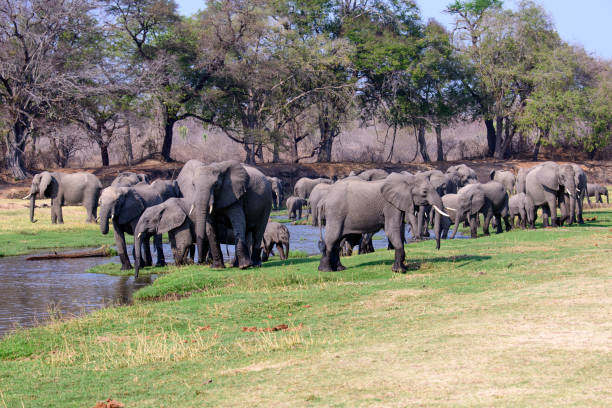
Ruaha hosts over 10,000 elephants, often seen gathering near rivers and waterholes.
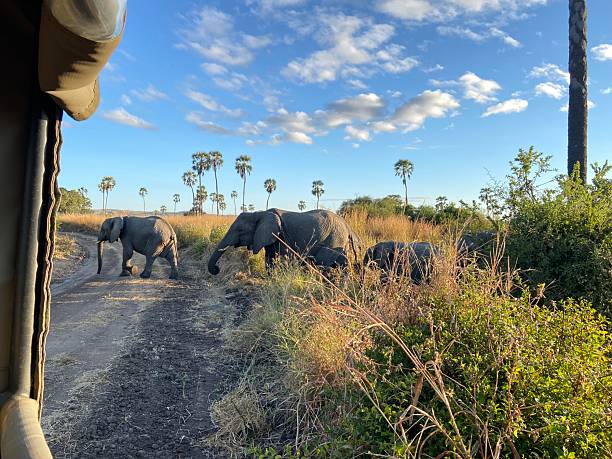
A small herd of elephants walks across a safari road in Ruaha National Park while visitors observe from a vehicle, showcasing the park’s authentic safari experience.
During dry months, visitors can observe herds bathing and drinking along the Ruaha River.
2. Incredible Predator Sightings
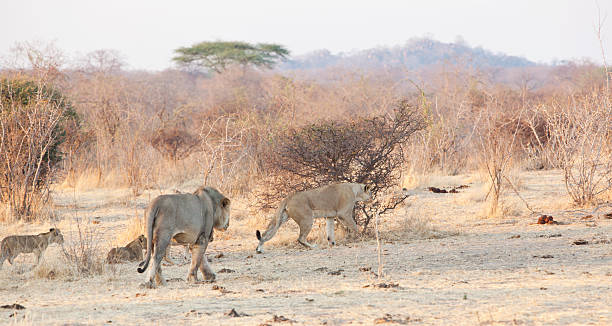
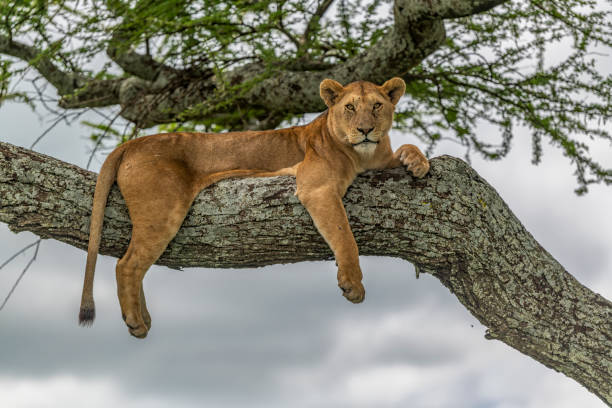
The park has one of the largest lion populations in Africa.
Pride of lions walking to ward dead elephant claf after the relatives have left.See also my
Other predators include:
Leopards
Cheetahs
Hyenas
African wild dogs
These animals thrive due to the park’s rich prey populations.
3. Untouched Landscapes
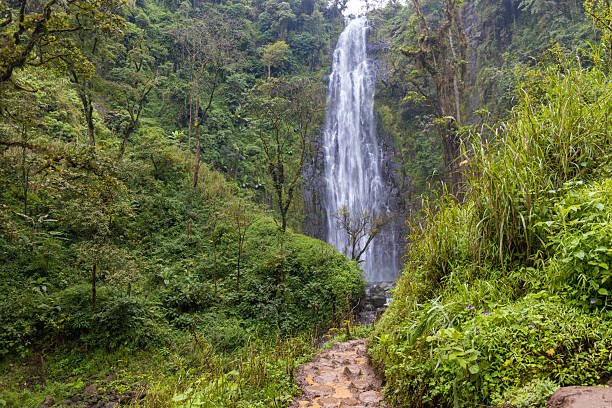
Ruaha’s scenery is breathtaking.
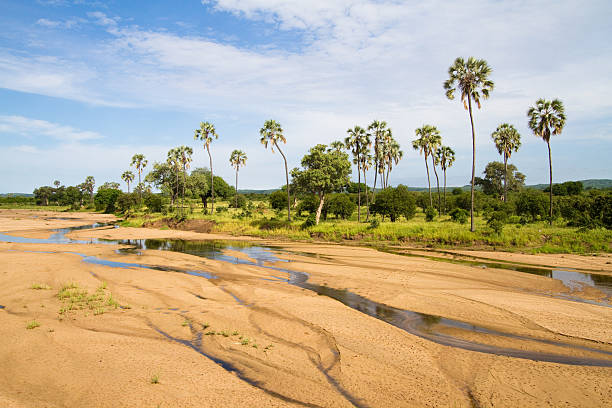
Scenic river valleys flowing through Ruaha National Park, Tanzania, highlighting the park’s diverse landscapes and wildlife habitats featured in the Ruaha National Park Safari Guide.
Expect:
Ancient baobab trees
Rocky escarpments
River valleys
Open savannah plains
These landscapes provide incredible safari photography opportunities.
Wildlife You Can See in Ruaha
Ruaha is one of the most biodiverse parks in Tanzania.
Animals commonly seen include:
Elephants
Lions
Leopards
Cheetahs
African wild dogs
Giraffes
Zebras
Buffaloes
Antelopes
Bird lovers will also enjoy over 570 bird species, making it a top birding destination.
Best Time to Visit Ruaha National Park
Weather greatly influences safari experiences.
Dry Season (June – October)
This is the best time for wildlife viewing.
Why?
Animals gather near water sources
Vegetation is thinner
Easier to spot predators
Game drives during this period often produce spectacular sightings.
Green Season (November – April)
This period offers:
Lush landscapes
Migratory birds
Fewer tourists
Lower safari prices
However, wildlife can be harder to spot due to thicker vegetation.
? Stay at least 3–4 days in Ruaha for a full experience ? Visit waterholes early morning during dry season ? Bring binoculars for birdwatching ? Combine Ruaha with southern parks like Nyerere National Park
These tips help visitors maximize wildlife sightings.
Customer Experiences
Ryan Day2024.10.13
Amazing company defiantly would recommend to anyone not sure about who to go with.
How to Get to Ruaha National Park
There are two main ways to reach the park.
By Air
Domestic flights operate from Julius Nyerere International Airport to small airstrips inside Ruaha.
Flight time: about 2 hours.
By Road
Travelers can drive from Iringa.
Driving time: 2–3 hours.
Road safaris allow visitors to see rural Tanzania landscapes.
Accommodation Options
Ruaha offers a variety of safari lodges and camps.
Options range from:
Luxury tented camps
Eco-lodges
Mid-range safari camps
Most accommodations are located along the Ruaha River.
Frequence Asked Questions
Is Ruaha National Park worth visiting?
Yes. It is one of Africa’s most authentic safari destinations with fewer crowds and exceptional wildlife.
How many days should I spend in Ruaha?
A minimum of 3–4 days is recommended for the best wildlife experience.
What animals is Ruaha famous for?
Ruaha is known for elephants, lions, and endangered African wild dogs
Is Ruaha safe for tourists?
Yes. Guided safaris and park regulations ensure safe wildlife experiences.
For travelers seeking a truly wild and authentic African safari, Ruaha National Park offers an unmatched experience.
Its remote landscapes, rich biodiversity, and low tourist numbers make it one of Tanzania’s most rewarding safari destinations.
Whether you’re watching elephants gather along the river, tracking lions across the savannah, or enjoying peaceful sunsets over baobab trees, Ruaha delivers unforgettable moments.
With expert planning from JoyTrekking Tours & Safaris, your safari adventure can be tailored to match your interests, travel style, and wildlife goals.
About the Author
January Mziray
January Mziray is a Tanzanian tourism expert and professional safari planner with extensive experience guiding international travelers across Tanzania’s top destinations including Ruaha, Serengeti, and Zanzibar. Through his work with JoyTrekking Tours & Safaris, he shares trusted travel insights, local expertise, and practical safari planning advice to help visitors experience the best of East Africa.