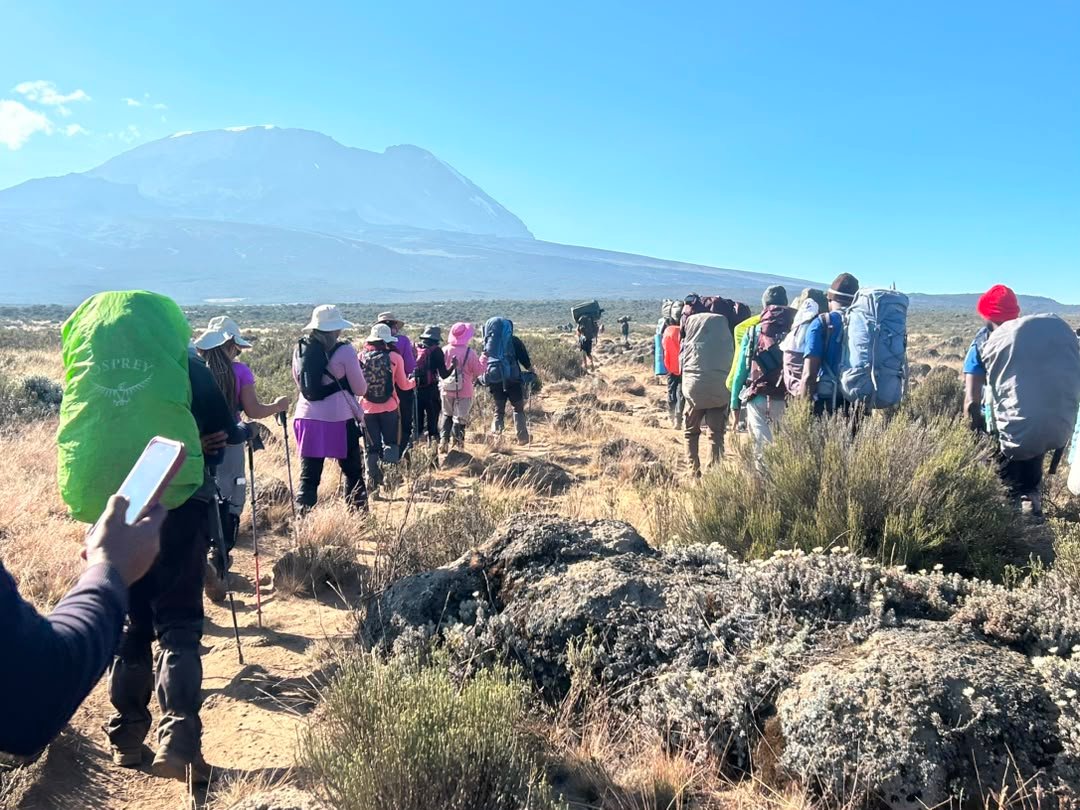
Plan your Tanzania Mt Kilimanjaro climb with expert tips on routes, costs, the best time to trek, preparation, safety and guided packages with JoyTrekking Tours & Safaris.
Tanzania Mt Kilimanjaro Climb: Your Complete Guide to Routes, Costs and Preparation
Climbing Mount Kilimanjaro is one of the most memorable adventures you can experience in Tanzania. Rising to 5,895 metres (19,341 feet) above sea level, this iconic mountain is the highest point in Africa and a remarkable destination for travellers seeking a challenging trek, extraordinary landscapes and a meaningful connection with nature. Kilimanjaro National Park is also recognized as a UNESCO World Heritage Site. UNESCO – Kilimanjaro National Park.
For international travellers, planning a Tanzania Mt Kilimanjaro climb involves more than choosing a date and booking a flight. You need to understand the available routes, trekking durations, accommodation arrangements, altitude considerations, equipment requirements and the actual cost of your trip.
At JoyTrekking Tours & Safaris, our goal is to help travellers understand their options and plan a Kilimanjaro adventure that matches their schedule, expectations and budget. Whether you are travelling alone, as a couple, with friends or as part of a larger group, choosing an appropriate itinerary and understanding what your package covers are important first steps.
This guide explains how to plan your climb, compare Kilimanjaro’s major routes, understand package pricing and prepare for the journey to Uhuru Peak.
Why Choose Mount Kilimanjaro for Your Tanzania Adventure?
Mount Kilimanjaro is a distinctive trekking destination because it rises above the surrounding plains as a largely independent volcanic massif. The journey passes through several vegetation zones, from cultivated lower slopes and montane forest to heathland, alpine desert and the high-altitude summit environment.
These changing landscapes make the climb an experience in its own right, even before you reach the summit.
Experience Five Distinctive Natural Zones
As you ascend, the scenery and conditions gradually change. Lower elevations can be green and forested, while higher sections become more exposed, rocky and cold. Near the summit, the environment is considerably harsher than the foothills.
The changing scenery is one reason many trekkers choose Kilimanjaro: the journey offers a range of landscapes within a single mountain expedition.
Work Towards Uhuru Peak
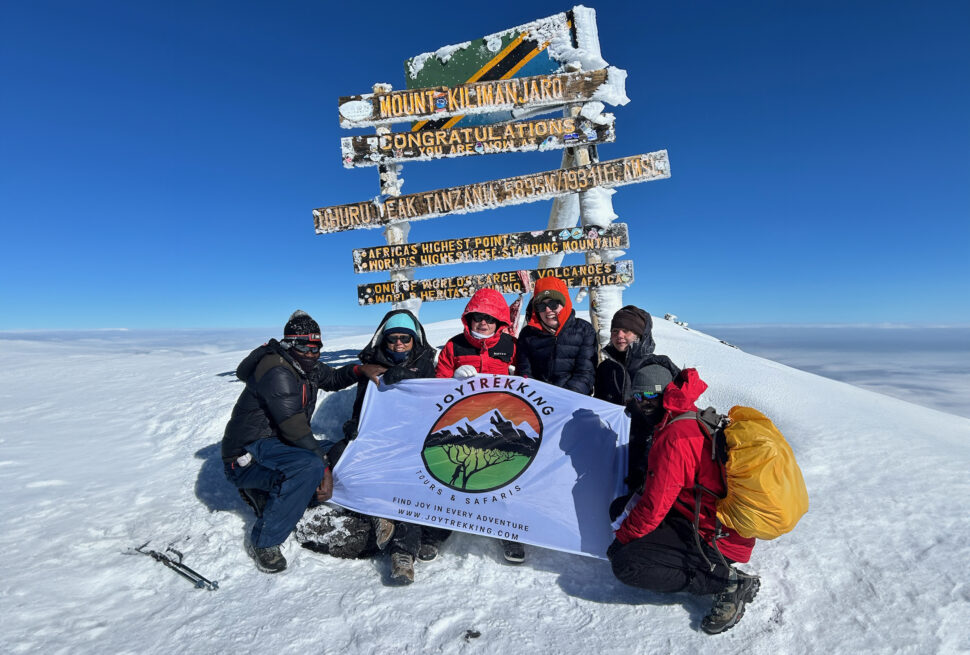
Uhuru Peak, at 5,895 metres, is the highest point on Mount Kilimanjaro. Reaching it requires patience, preparation and careful attention to altitude.
A summit attempt is not guaranteed, even for physically fit travellers. How your body responds to altitude, the route selected, weather conditions and the guidance of your mountain team all influence the experience.
Explore Tanzania Beyond the Mountain
Your climb can also be part of a wider Tanzania holiday. Depending on your interests and available time, you could add a wildlife safari in the Serengeti, Ngorongoro Crater or Tarangire National Park, or relax on Zanzibar’s beaches after your trek.
If you want to combine mountain trekking with wildlife viewing, discuss the extra days and transfers with your tour operator before confirming your itinerary.
Understanding Mount Kilimanjaro Climbing Routes
One of the most important decisions when planning a Tanzania Mt Kilimanjaro climb is choosing your route.
The main routes differ in their starting points, landscapes, accommodation arrangements, duration, difficulty and opportunities for acclimatization. There is no single route that suits every traveller.
The right choice depends on your available time, trekking experience, preferences and how well the itinerary allows you to adjust to increasing altitude.
1. Marangu Route
The Marangu Route approaches Kilimanjaro from the southeastern side of the mountain. It is known for using mountain huts rather than tents for overnight accommodation.
What to know:
- Accommodation is in designated mountain huts.
- The route follows an established trail through forest and higher-altitude landscapes.
- It appeals to travellers who prefer hut accommodation.
- Your itinerary should still allow adequate time for altitude acclimatization.
Marangu is worth considering if hut accommodation is important to you. However, the choice should not be based on accommodation alone; the itinerary and altitude profile also matter.
2. Machame Route
The Machame Route is a popular option for trekkers looking for varied scenery and a camping-based mountain experience.
The route passes through forest, moorland and alpine terrain, with notable landmarks along the way. Depending on the itinerary, climbers may encounter features such as the Barranco Wall and broad views of the surrounding mountain landscape.
What to know:
- Camping is used on the mountain.
- Several trekking days allow you to experience changing landscapes.
- It is physically demanding and requires preparation.
- The specific itinerary determines the total number of days and acclimatization opportunities.
Machame can suit travellers who want a scenic, active trekking experience and have enough time to complete the selected itinerary.
3. Lemosho Route
The Lemosho Route approaches the mountain from the west. It is known for its scenic approach and the opportunity to follow a longer itinerary.
The route can be attractive to travellers who want to spend more time on the mountain and experience a varied landscape before joining sections of the established southern circuit.
What to know:
- The route begins on the western side of Kilimanjaro.
- It is generally offered as a multi-day camping trek.
- Longer itineraries can provide additional time for acclimatization.
- The total duration and cost depend on the selected package.
Lemosho is worth comparing if scenery and a longer mountain experience are important priorities.
4. Rongai Route
The Rongai Route approaches Kilimanjaro from the northern side, near the Kenya–Tanzania border.
Its different starting location gives the journey a distinct character compared with routes beginning on the southern or western sides.
What to know:
- The route approaches the mountain from the north.
- Camping is generally used during the trek.
- It provides a different perspective of Kilimanjaro’s landscapes.
- The itinerary should be selected according to your schedule and acclimatization needs.
Rongai can be a suitable option for travellers interested in a northern approach and a different route experience.
5. Umbwe Route
The Umbwe Route is known for its steep and demanding character. It is generally better suited to experienced trekkers who understand the physical demands of mountain travel.
Its challenging ascent means that the route should not be selected simply because a shorter itinerary appears convenient.
What to know:
- It is a demanding route with steep sections.
- It requires careful preparation and a realistic assessment of your ability.
- The shorter ascent profile can make acclimatization more challenging.
- Route suitability should be discussed with a qualified mountain operator.
If you are new to high-altitude trekking, ask about route alternatives and whether a longer itinerary would better match your experience.
6. Northern Circuit Route
The Northern Circuit is a longer route that explores the northern slopes of Kilimanjaro. Its extended itinerary offers more time on the mountain and additional opportunities for gradual acclimatization.
What to know:
- It generally takes more days than several other popular routes.
- It offers a different perspective of the mountain.
- A longer itinerary may provide more time to adjust to altitude.
- It usually requires a larger time and financial commitment.
Travellers with flexible schedules may wish to compare Northern Circuit packages with Lemosho and other routes before making a decision.
Mount Kilimanjaro Routes at a Glance
| Route | Typical package duration offered by JoyTrekking | Accommodation style |
|---|---|---|
| Marangu | 6 days / 5 nights | Mountain huts |
| Machame | 7 days / 6 nights | Camping |
| Umbwe | 7 days / 6 nights | Camping |
| Rongai | 7 days / 6 nights | Camping |
| Lemosho | 8 days / 7 nights | Camping |
| Northern Circuit | 9 days / 8 nights | Camping |
Durations above reflect the listed JoyTrekking package options for this guide. Other itineraries may be available. Confirm the final day-by-day schedule and accommodation arrangements before booking.
How Much Does a Tanzania Mt Kilimanjaro Climb Cost?
The cost of climbing Mount Kilimanjaro depends on several factors, including the route, number of days, group size, park-related charges, accommodation, meals, transfers and services included in your package.
A key point is that a group-package rate is not automatically the price for one person. Travellers should confirm whether an advertised figure applies to an entire group or to each climber.
JoyTrekking Kilimanjaro Package Prices
The following are the listed reference package rates supplied for groups starting from eight climbers.
| Kilimanjaro route | Duration | Listed group-package rate |
|---|---|---|
| Marangu Route | 7 days / 6 nights | US$1,770 |
| Machame Route | 8 days / 7 nights | US$2,160 |
| Umbwe Route | 7 days / 6 nights | US$2,180 |
| Rongai Route | 8 days / 7 nights | US$2,240 |
| Lemosho Route | 8 days / 7 nights | US$2,840 |
| Northern Circuit Route | 9 days / 8 nights | US$2,850 |
Important pricing clarification: These figures are the listed package rates for groups starting from eight climbers, as specified for this guide. They are not individual per-person prices for solo travellers, couples or smaller groups. Confirm the total group price, inclusions and final quotation with JoyTrekking Tours & Safaris before making a booking.
For pricing based on your actual party size, visit the Mount Kilimanjaro Climb Costs page. To compare the available trekking packages, visit the Mount Kilimanjaro destination page.
What Can Affect Your Final Climbing Cost?
Your group size
A solo climber, a couple and a group of eight may receive different quotations. The cost structure depends on how shared expenses and services are allocated and on the operator’s pricing policy.
Always request a quote for the exact number of travellers in your party.
Your selected route and duration
Different routes require different numbers of days, camp arrangements, staff logistics and park-related charges. Longer itineraries can cost more because of the additional days and services involved.
Accommodation before and after the climb
Many travellers stay in Moshi or another nearby town before the trek and may choose to spend a night after returning from the mountain. Ask whether pre-climb and post-climb accommodation is included in your package.
Equipment and personal expenses
You may need to budget separately for personal trekking equipment, travel insurance, international flights, visas where applicable, tips, optional accommodation and other expenses not included in your quotation.
What Should You Check Before Paying a Deposit?
Before confirming your climb, ask for a written quotation that clearly explains:
- The total price and whether it is per person or for the group.
- The exact route and number of trekking days.
- Which park fees and other charges are included.
- Meals and mountain accommodation arrangements.
- Transfers and pre- or post-climb accommodation.
- Guide, porter and other crew arrangements.
- Equipment provided by the operator.
- Payment terms, cancellation conditions and any additional costs.
Clear information helps you compare packages fairly and avoid unexpected expenses during your trip.
What Is Included in a Kilimanjaro Climbing Package?
Package inclusions vary, so do not assume that two tours with similar prices provide identical services.
A guided Kilimanjaro package may include several of the following components, depending on the operator and itinerary:
- Mountain guides and trekking support staff.
- Applicable park fees and required permits.
- Camping equipment or hut accommodation, according to the route.
- Meals and drinking-water arrangements during the trek.
- Transfers to and from the relevant mountain gates.
- Group equipment and logistical support.
- Pre-climb briefing and route information.
Some packages may also offer airport transfers or hotel accommodation before and after the climb, while others charge for these separately.
When comparing a quotation from JoyTrekking Tours & Safaris with another operator, check the written inclusions and exclusions rather than relying on the package title alone.
Best Time to Climb Mount Kilimanjaro
Mount Kilimanjaro can be climbed during different periods of the year, but weather conditions affect visibility, trail conditions, temperatures and the overall trekking experience.
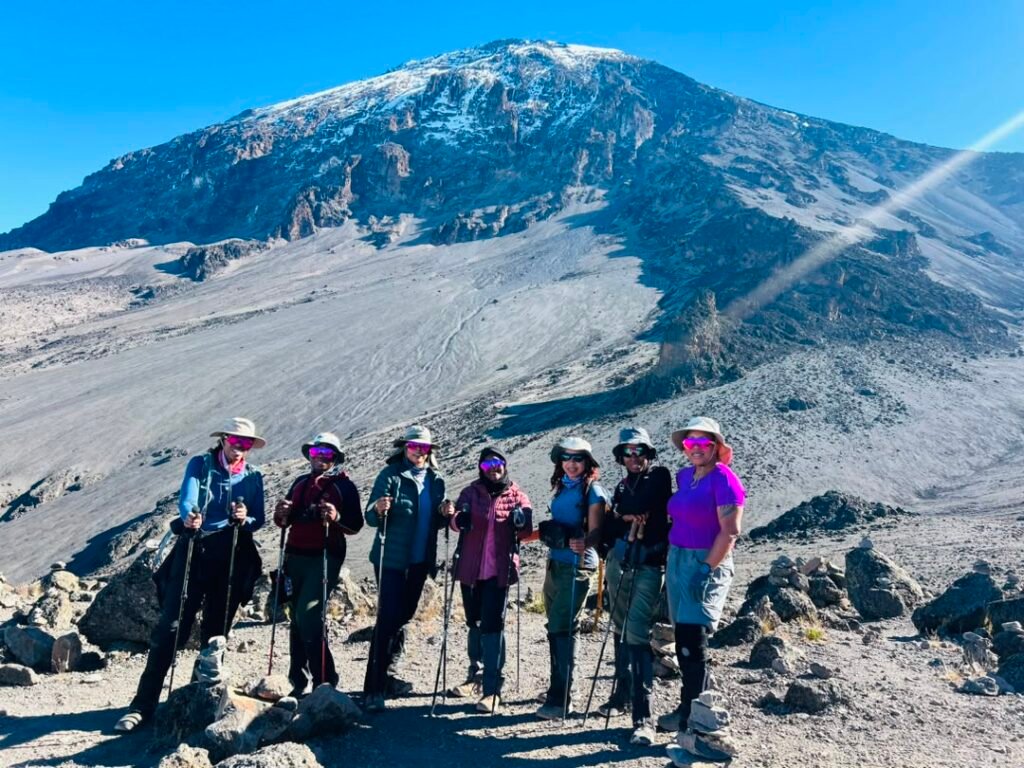
Many travellers consider the generally drier periods around January to early March and June to October. These are broad seasonal patterns rather than guarantees of clear weather. Conditions can change quickly on the mountain, particularly at higher elevations.
January to Early March
This period is often considered by travellers looking for relatively dry conditions and the possibility of clear views. Temperatures remain highly dependent on altitude, and weather can still be unpredictable.
June to October
These months are commonly considered for trekking during a generally drier period. They can also attract many visitors, so advance planning is sensible if your dates are fixed.
The Rainier Periods
Rainier months may bring wetter trails, cloud cover and more challenging conditions, particularly in forested sections. Some travellers still choose these periods, but they should be prepared for variable weather and discuss the likely conditions with their operator.
The most appropriate dates depend on your schedule, preferred route and tolerance for different weather conditions. For practical park information, consult the official Tanzania National Parks Authority Kilimanjaro Visitor Guide.
How to Prepare for Your Kilimanjaro Climb
Reaching high altitude is different from completing a normal hiking holiday. Preparation should consider your general fitness, equipment, travel arrangements and how you will respond to the changing conditions.
1. Build Your Hiking Fitness Gradually
Regular walking, hiking on varied terrain and appropriate aerobic activity can help you prepare for consecutive days on the trail. Practise with the footwear and daypack you expect to use, and increase your activity gradually rather than attempting a sudden, intense training programme.
If you have questions about whether a high-altitude trek is appropriate for you, seek advice from a qualified healthcare professional before travelling.
2. Choose Equipment for Changing Conditions
Temperatures and weather can vary considerably between the lower slopes and the summit area.
Your packing list will typically need to account for:
- Comfortable, well-fitted trekking boots.
- Layered clothing, including warm insulating layers.
- Waterproof jacket and trousers.
- Warm gloves, hat and suitable socks.
- A headlamp and spare batteries.
- Sun protection, including sunglasses and sunscreen.
- A suitable daypack and refillable water bottles.
- Any personal medication and recommended first-aid items.
Ask your operator for a route-specific packing list. Check which group equipment is provided and which personal items you must bring yourself.
3. Allow Time for Acclimatization
Altitude affects people differently, and physical fitness alone does not prevent altitude-related illness.
A sensible itinerary allows time to ascend gradually. Follow the guide’s instructions, communicate how you are feeling and report symptoms promptly. Do not hide symptoms or feel pressured to continue if you are unwell.
TANAPA’s Kilimanjaro Visitor Guide provides official visitor information and highlights the importance of altitude planning and following guide instructions.
4. Arrange Suitable Travel Insurance
Before departure, read your travel insurance policy carefully. Confirm that it covers high-altitude trekking up to the elevation planned for your trip and explains the conditions for medical assistance and evacuation.
Do not assume a standard travel policy automatically covers every mountain activity.
5. Prepare for the Practical Details
Confirm your arrival airport, transfers, hotel arrangements, passport and visa requirements, payment schedule and emergency contact arrangements well before departure.
Keep copies of important travel information and make sure you understand what happens if weather, illness or other circumstances require changes to your itinerary.
Safety and Responsible Trekking on Kilimanjaro
A well-planned climb prioritizes your wellbeing, the mountain crew and the natural environment.
All climbs must be organized through an authorized, licensed operator, and visitors should follow park regulations and their guide’s instructions.
Important principles include:
- Ascend according to the planned itinerary and acclimatization needs.
- Tell your guide promptly if you feel unwell.
- Follow the designated trails and camp rules.
- Carry and use suitable clothing for changing weather.
- Respect the mountain environment and take waste to the appropriate disposal points.
- Treat guides, porters and other crew members with respect.
- Confirm how the operator handles emergencies and changes to the plan.
No responsible operator should promise that every climber will reach the summit. The objective is to make informed decisions, follow a sensible plan and prioritize safety throughout the experience.
What Happens During a Typical Kilimanjaro Trek?
Although the daily schedule differs by route, a multi-day climb generally follows a sequence of stages.
Arrival and Briefing
Travellers arrive in the Kilimanjaro region, transfer to their accommodation and prepare for the trek. A briefing helps review the itinerary, equipment, expectations and practical arrangements.
Trekking Through the Lower Slopes
The first stages often pass through forested areas and gradually lead into higher vegetation zones. Your guide sets a pace appropriate to the group and the planned route.
Higher Camps and Acclimatization
As the trek progresses, the environment becomes more exposed and temperatures can fall. The daily schedule depends on the route, altitude profile and planned overnight stops.
Summit Attempt
The summit attempt typically takes place after reaching a high camp or designated overnight point. This stage is physically demanding, and the exact timing depends on the route and itinerary.
Reaching Uhuru Peak is an achievement, but your guide may recommend turning back if conditions or your health make continuing unsafe.
Descent and Return
After the summit attempt, the group descends according to the route plan and eventually exits the national park. Travellers then continue to their accommodation or onward journey.
The precise order and number of days vary by package. Review the full itinerary before booking so you understand the daily stages and expected duration.
Can You Combine a Kilimanjaro Climb with a Tanzania Safari?
Yes. Combining a mountain trek with a wildlife safari is a popular way to experience different sides of Tanzania in one trip.
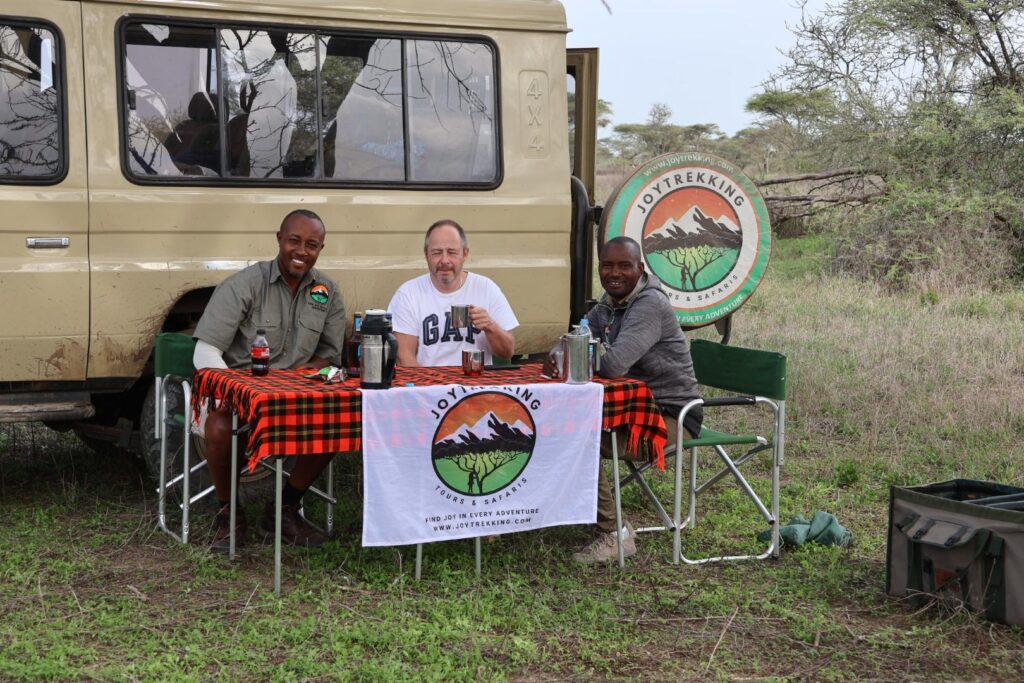
After your climb, you could consider a safari to:
- Serengeti National Park: Known for extensive grasslands, wildlife viewing and the Great Wildebeest Migration.
- Ngorongoro Crater: A distinctive conservation area with a rich variety of wildlife.
- Tarangire National Park: Known for elephants, baobab trees and seasonal wildlife concentrations.
You could also add time in Zanzibar if you want a coastal experience after your mountain adventure.
When planning a combination trip, allow adequate time for transfers and recovery after the climb. A safari or beach extension should fit comfortably around your trekking schedule rather than forcing you to rush from one activity to another.
Why Plan Your Climb with JoyTrekking Tours & Safaris?
Choosing a tour operator is an important part of planning a Kilimanjaro expedition. You need clear communication, a transparent quotation and an itinerary that matches your travel plans.
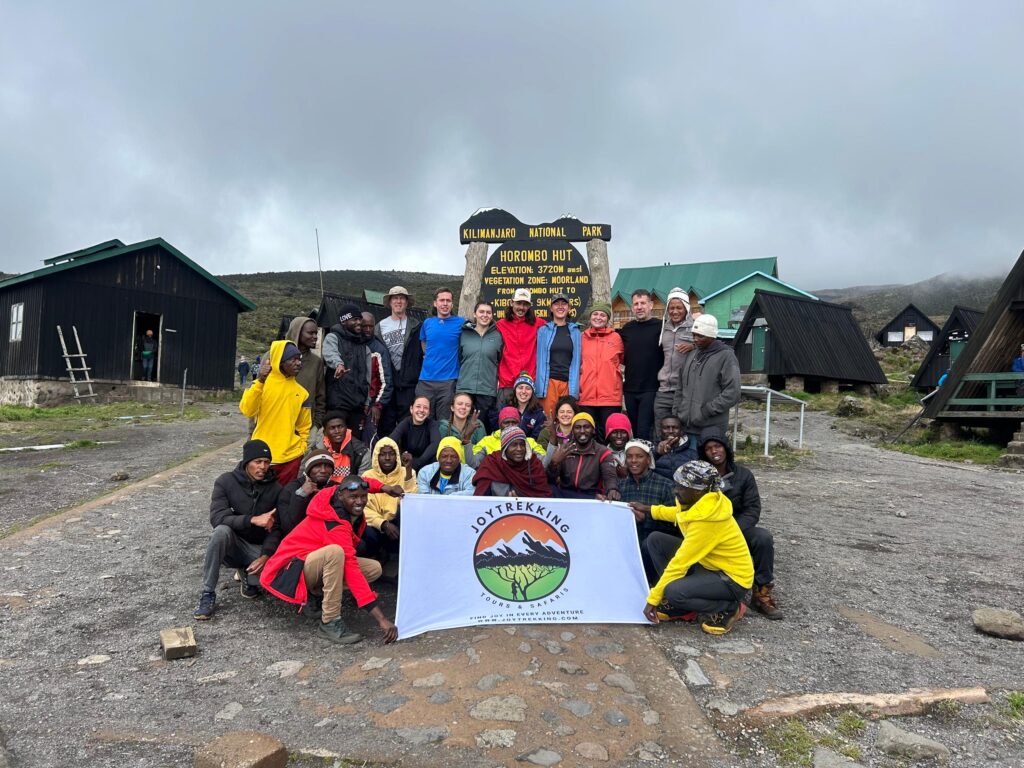
JoyTrekking Tours & Safaris provides Kilimanjaro trekking package options for travellers comparing different routes and durations.
When discussing your climb with our team, you can share:
- Your preferred travel dates.
- The number of people travelling.
- The route you are considering.
- Your available time in Tanzania.
- Your preferred accommodation arrangements.
- Whether you would like to add a safari or Zanzibar extension.
These details help the team identify a suitable package and explain the costs relevant to your group.
We encourage every traveller to review the itinerary, inclusions, exclusions, payment conditions and safety arrangements before confirming a booking.
Frequently Asked Questions About Tanzania Mt Kilimanjaro Climb
How high is Mount Kilimanjaro?
Mount Kilimanjaro reaches 5,895 metres (19,341 feet) above sea level at Uhuru Peak, the highest point in Africa.
How many days does it take to climb Mount Kilimanjaro?
The duration depends on the route and itinerary. The JoyTrekking options featured in this guide range from seven to nine days. Other itinerary lengths may also be available.
How much does a Kilimanjaro climb cost?
The cost depends on the route, duration, group size and package inclusions. The listed JoyTrekking reference rates in this guide apply to group packages starting from eight climbers, not automatically to each individual traveller. For pricing based on your party size, visit the Kilimanjaro Climb Costs page.
Which Kilimanjaro route should I choose?
The right route depends on your schedule, trekking experience, accommodation preferences and acclimatization needs. Compare the route descriptions and discuss your circumstances with a qualified operator before deciding.
Do I need previous mountain-climbing experience?
Previous experience can be useful, but requirements and suitability depend on the route and the individual. Kilimanjaro is a demanding high-altitude trek, so prepare carefully and seek professional advice if you have concerns about your ability to participate.
Is it possible to climb Kilimanjaro without a guide?
Kilimanjaro climbs must be organized through a licensed operator, and solo trekking is not permitted under the park’s visitor regulations. Consult the official Kilimanjaro Visitor Guide for current park requirements.
What is the best time to climb Kilimanjaro?
Many travellers consider January to early March or June to October because these periods are generally associated with drier conditions. However, mountain weather is variable, so no period guarantees ideal conditions.
What should I pack for a Kilimanjaro trek?
Typical essentials include suitable trekking boots, layered clothing, waterproof outerwear, warm accessories, sun protection, a headlamp and personal medication. Your operator should provide a route-specific list and clarify which equipment is included.
Can I add a safari after climbing Kilimanjaro?
Yes. You can discuss adding destinations such as Serengeti, Ngorongoro or Tarangire, or extending your trip to Zanzibar. Make sure your schedule allows time for transfers and recovery after the climb.
How do I get an accurate quotation from JoyTrekking Tours & Safaris?
Share your travel dates, number of climbers, preferred route and any accommodation or transfer requirements. Use the Kilimanjaro Climb Costs page for group-size-based pricing, and review the available Mount Kilimanjaro packages before confirming your booking.
Start Planning Your Tanzania Mt Kilimanjaro Climb
Standing on Mount Kilimanjaro is a goal that deserves thoughtful planning. Choosing a suitable route, understanding the full cost, preparing for altitude and working with an organized mountain team can help you approach the journey with realistic expectations.
Whether you are considering Marangu, Machame, Lemosho, Rongai, Umbwe or the Northern Circuit, start by comparing the itineraries and deciding how much time you can comfortably spend on the mountain.
Ready to plan your Kilimanjaro adventure?
Contact JoyTrekking Tours & Safaris with your preferred dates, group size and route. Our team can help you explore the available package options and request a quotation suited to your travel plans.
Your journey to Africa’s highest peak begins with a clear plan, the right preparation and an informed decision about your climb.