Plan your Serengeti Safari in Africa with our guide to wildlife, the Great Migration, best travel seasons, safari experiences and expert planning tips.
Serengeti Safari Africa: Discover Tanzania’s Legendary Wildlife Destination
An African safari is more than a holiday. It is an opportunity to experience extraordinary wildlife, explore vast natural landscapes and discover the beauty of the wilderness with experienced local guides.
For many international travellers, a Serengeti safari in Africa is the experience they dream of when planning a journey to Tanzania. The Serengeti is famous for its open savannahs, large wildlife populations, remarkable predator sightings and the Great Wildebeest Migration.
Located in northern Tanzania, Serengeti National Park offers opportunities to explore different landscapes and observe wildlife in its natural habitat. From watching lions resting in the grasslands to seeing elephants moving across the plains, every game drive can bring a different experience.
The Serengeti is also part of a much larger ecosystem in which wildlife movements follow seasonal rainfall and the availability of fresh grazing. This makes planning your safari around your travel dates and interests especially important.
At JoyTrekking Tours & Safaris, we believe a rewarding safari begins with clear information, realistic expectations and an itinerary that suits each traveller. This guide explains what makes the Serengeti special, what you may see, when to visit and how to plan your African safari with confidence.
1. What Makes Serengeti Safari Africa So Special?
Serengeti National Park is one of Africa’s best-known wildlife destinations. Its broad plains, rocky outcrops known as kopjes, river systems and grasslands support a diverse range of animals and birds.
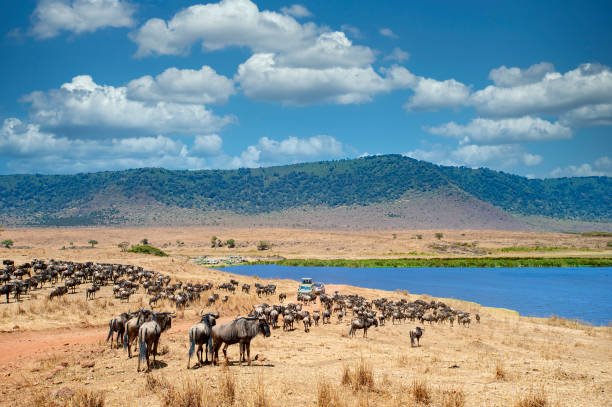
The park is especially associated with the Great Wildebeest Migration, when enormous herds of wildebeest and other grazing animals move through the Serengeti ecosystem in response to seasonal rainfall and fresh pasture.
However, the Serengeti is not only about migration. It also offers wildlife viewing throughout the year, with opportunities to observe predators, elephants, buffaloes, giraffes, zebras, antelopes and many bird species.
According to Tanzania National Parks (TANAPA), the park is renowned for the Great Migration and its iconic wildlife, including the Big Five. TANAPA also highlights the park’s birdlife and guided safari experiences.
What You Can Experience in the Serengeti
- Guided game drives across open plains and wildlife-rich areas.
- Opportunities to look for lions, leopards, elephants, buffaloes and other wildlife.
- Seasonal Great Migration viewing, depending on the herds’ location.
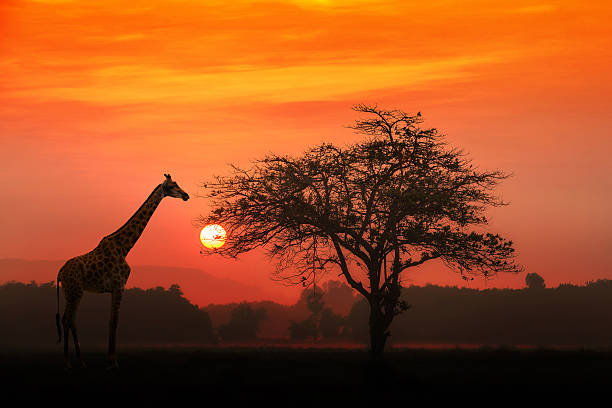
- Sunrise and sunset photography across the savannah.
- Birdwatching and landscape photography.
- Lodge or tented-camp stays in selected areas.
- Optional hot-air balloon safaris, subject to availability and separate arrangements.
Wildlife sightings are never guaranteed. Animals move freely, and every game drive is different. An experienced guide can help you understand animal behaviour, interpret tracks and choose suitable areas to explore.
2. Where Is Serengeti National Park Located?
Serengeti National Park is in northern Tanzania, within the wider Serengeti ecosystem that extends towards Kenya’s Maasai Mara.
Many international visitors begin their northern Tanzania safari in Arusha or arrive through Kilimanjaro International Airport. Depending on the itinerary, the Serengeti can be reached by road or by a scheduled or chartered light aircraft.
Getting to the Serengeti
By road: Travellers can drive from Arusha through northern Tanzania, often combining the Serengeti with destinations such as Tarangire National Park and the Ngorongoro Conservation Area.
By air: Some itineraries use domestic flights to airstrips serving different parts of the Serengeti. This can reduce road travel time, but flight schedules, luggage limits and transfer arrangements need to be confirmed.
As part of a multi-park safari: The Serengeti is frequently combined with other northern Tanzania destinations. The best route depends on your arrival point, the number of days available and the wildlife experiences you want to prioritize.
For official park information and location details, visit the TANAPA Serengeti National Park page.
3. Wildlife You Can See on a Serengeti Safari
One of the main reasons travellers choose Serengeti Safari Africa is the opportunity to observe wild animals in their natural environment.

Lions
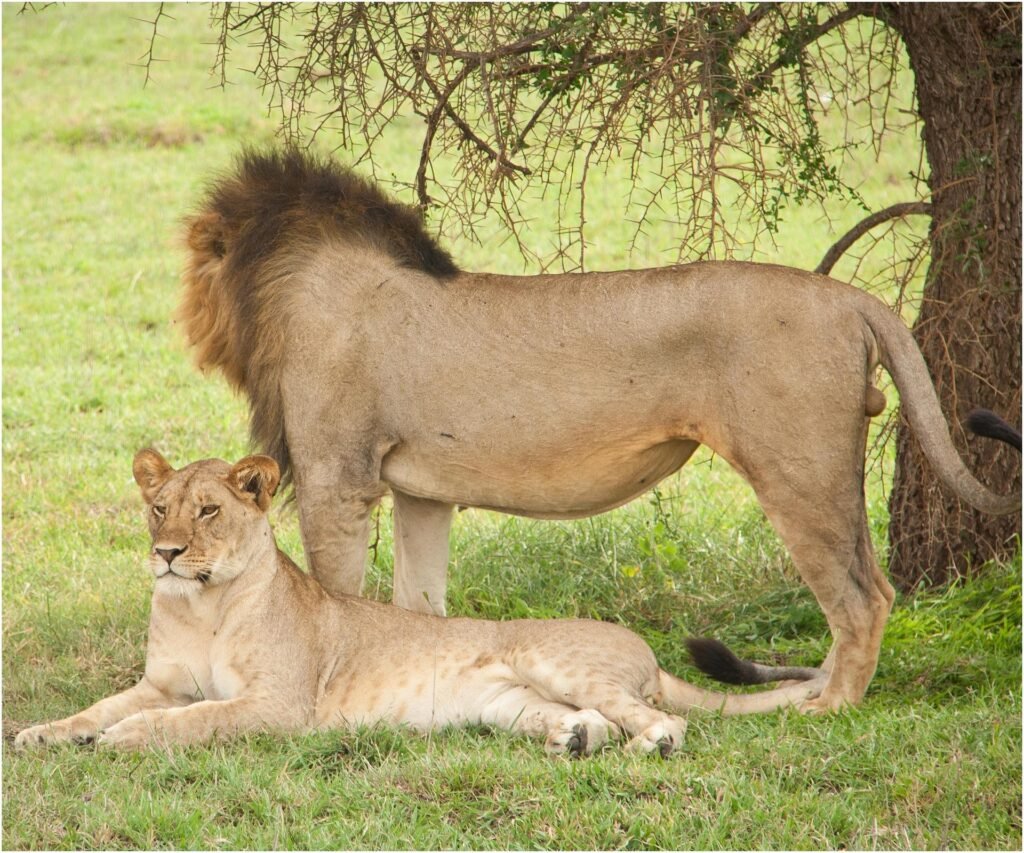
The Serengeti is well known for lion sightings. Lions may be seen resting in the shade, moving through grasslands or interacting with members of their pride. Guides can explain their behaviour while keeping a safe and respectful distance.
Leopards
Leopards are often more difficult to spot because they are elusive and can blend into trees and rocky surroundings. Patient observation and a knowledgeable guide can improve your chances of finding one.
Elephants
Elephants may be seen moving through different habitats, feeding or gathering around suitable water sources. Their behaviour and location vary with the season.
African Buffaloes
Buffaloes are frequently encountered in herds. They are powerful wild animals and should always be observed from the safety of the safari vehicle and at the direction of your guide.
Rhinoceroses
Black rhinos are among the more difficult animals to see in the wider Serengeti region. Sightings are not guaranteed, and visitors should not choose a safari on the assumption that every member of the Big Five will be seen.
Other Wildlife
Depending on the area and season, you may also encounter:
- Wildebeest
- Zebras
- Giraffes
- Cheetahs
- Spotted hyenas
- Hippos
- Crocodiles
- Gazelles and other antelopes
- Ostriches and many other bird species
The variety of animals you see depends on wildlife movements, weather, habitat, time of day and the length of your safari.
4. The Great Wildebeest Migration in the Serengeti
The Great Wildebeest Migration is one of the most famous wildlife spectacles in Africa. Large herds of wildebeest move through the Serengeti ecosystem alongside zebras and other grazing animals, following seasonal patterns of rainfall and fresh grass.
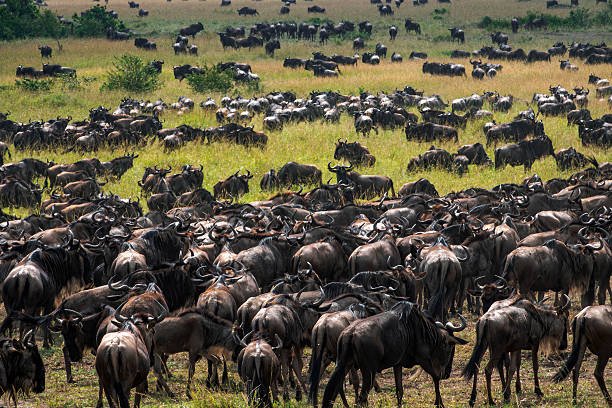
The migration is a continuous cycle rather than a single event that happens in one place on a fixed date. Its timing can shift from year to year.
January to March: Calving Season
During this period, migration herds often concentrate on the southern Serengeti and Ndutu plains, although their exact location depends on rainfall and grazing conditions.
Calving season attracts predators, creating opportunities to observe interactions between wildlife species. This period can be especially interesting for photographers and travellers who want to learn about animal behaviour.
April to June: Movement Through the Western Areas
As the season progresses, herds generally move away from the southern plains towards central and western areas of the ecosystem. Rainfall and pasture conditions influence their movement.
Travellers during this period may experience green landscapes, dramatic skies and varied wildlife viewing. Road conditions can change with rainfall, so itinerary planning matters.
July to October: Northern Serengeti and River Crossings
During the dry season, parts of the migration may move through the northern Serengeti and towards the Mara River area.
River crossings are among the most sought-after migration experiences, but they are unpredictable. Herds may gather for a period before crossing, move to another location or cross when visitors are elsewhere.
A responsible safari operator should explain that sightings cannot be guaranteed and plan around the most appropriate region for your dates.
November to December: Movement Towards the Southern Plains
As seasonal rains return, herds generally begin moving southward through parts of the ecosystem. The precise timing depends on local rainfall and pasture availability.
This period can offer changing landscapes and opportunities to see wildlife without focusing exclusively on river crossings.
Planning advice: Use migration calendars as a general guide, not a guarantee. Before choosing a camp or lodge, ask which part of the Serengeti is most suitable for your travel dates and how much driving will be required to reach likely wildlife-viewing areas.
For official information about the park’s attractions, consult TANAPA’s Serengeti attractions guide.
5. Best Time to Visit Serengeti for an African Safari
The best time for a Serengeti safari depends on your priorities. You might want to see the Great Migration, search for predators, enjoy green landscapes, photograph birds or travel during a quieter period.
| Travel Period | General Experience | Best Suited For |
|---|---|---|
| January–March | Southern plains and calving-season opportunities, depending on conditions | Wildlife photography and predator activity |
| April–May | Greener scenery and a wetter period | Travellers seeking lush landscapes and potentially quieter conditions |
| June | Changing conditions as the dry season develops | Flexible itineraries and migration-focused trips |
| July–October | Generally drier conditions and northern migration opportunities | Classic game viewing and possible river crossings |
| November–December | Short rains may bring green landscapes and shifting herds | Photography, birdwatching and flexible travel plans |
These are broad seasonal patterns, not fixed schedules. The Great Migration follows rainfall and grazing, so exact locations and dates can vary.
Is the Serengeti Worth Visiting Outside Peak Season?
Yes. The Serengeti supports wildlife throughout the year, and a safari does not have to coincide with a river crossing to be rewarding.
Different months can offer different advantages, including lush scenery, changing light, birdlife and opportunities to explore areas away from the busiest periods.
For more information, read the official TANAPA Serengeti visitor information and discuss your dates with your safari planner.
6. Best Safari Experiences in Serengeti National Park
Guided Game Drives
Game drives are central to the classic Serengeti safari. Travelling in a suitable safari vehicle with an experienced guide allows you to explore wildlife areas, stop for sightings where permitted and learn about the ecosystem.
Morning and afternoon drives offer different lighting and wildlife-viewing conditions. The exact schedule depends on your accommodation, park rules and itinerary.
Great Migration Viewing
If migration is a priority, the safari should be planned around the region where herds are most likely to be found during your dates.
Ask your operator about the location of the camp, expected driving times and whether the itinerary allows enough time for wildlife viewing.
Hot-Air Balloon Safari
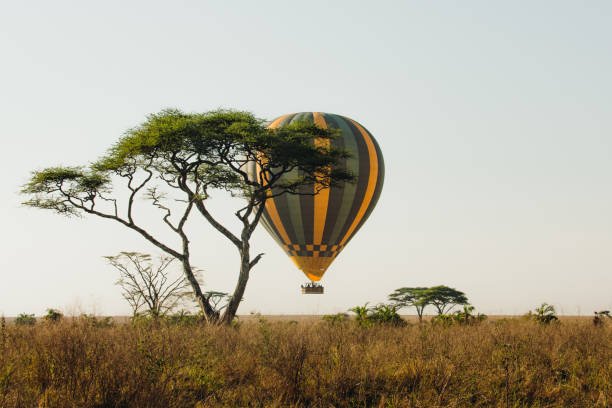
A hot-air balloon safari can offer an aerial perspective of the plains at sunrise. It is an optional activity that usually requires advance arrangements and may cost extra.
Confirm the departure location, transfers, age or health restrictions where applicable, cancellation terms and what the activity includes.
Wildlife Photography
The Serengeti offers opportunities to photograph wildlife, changing landscapes and dramatic skies. A camera with a suitable zoom lens, spare batteries and a safe way to protect equipment from dust can be useful.
Always follow your guide’s instructions. Never ask a driver to approach an animal too closely or leave permitted areas for a photograph.
Birdwatching
Birdlife is another reason to visit the Serengeti. Travellers may see large ground birds, raptors, water-associated species and smaller birds around different habitats.
If birdwatching is a priority, tell your operator before the trip so the itinerary and guiding approach can reflect your interests.
7. Where to Stay During a Serengeti Safari
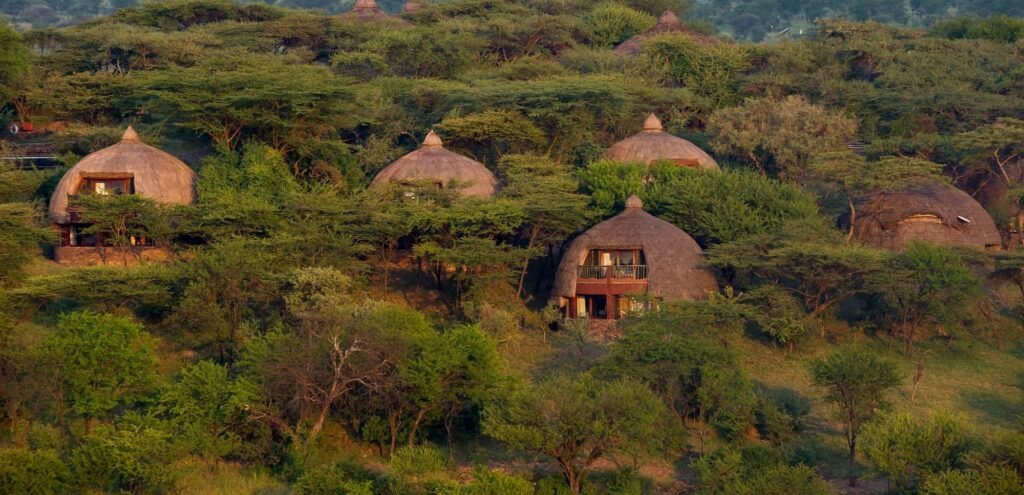
Your accommodation can shape the overall safari experience. Options may include public campsites, permanent tented camps, seasonal mobile camps and lodges, depending on the area and your budget.
Camping Safaris
Camping can appeal to travellers who prefer a closer connection with the outdoors. The exact facilities and comfort level depend on the campsite and package, so confirm what equipment, meals, staff and sanitation facilities are provided.
Tented Camps
Tented camps range from simpler options to properties offering private bathrooms, comfortable beds, dining facilities and additional services.
Some camps are seasonal and operate in locations chosen to suit wildlife movements. Confirm the camp’s location for your dates rather than assuming that every property remains open all year.
Safari Lodges
Lodges may provide permanent rooms, restaurants, lounges and other facilities. They can be suitable for travellers who prioritize conventional accommodation and additional comfort.
How to Choose the Right Accommodation
Consider:
- Your total budget.
- The location relative to your main wildlife-viewing interests.
- Whether meals and transfers are included.
- The room or tent facilities.
- Access to the park and expected driving times.
- Cancellation conditions and seasonal availability.
The most expensive accommodation is not automatically the best choice for every traveller. Location, guiding, itinerary and the amount of time spent on game drives can be just as important.
8. How Much Does a Serengeti Safari in Africa Cost?
There is no single price for every Serengeti safari. Your total depends on the number of days, accommodation category, travel dates, transport method, group size and services included.
A budget camping safari, a mid-range lodge safari and a luxury fly-in safari can have substantially different costs.
Factors That Affect Your Safari Budget
Number of days: Longer safaris generally require more accommodation, meals, guiding and transport.
Accommodation: Campsites, tented camps and lodges have different price levels.
Transport: Road safaris and fly-in itineraries have different logistics and costs.
Group size: The cost per person may change depending on how vehicle and guide expenses are shared.
Travel season: Accommodation availability and rates may vary throughout the year.
Park and conservation fees: Confirm which applicable fees are included in the quotation and whether any additional charges apply.
Optional activities: Balloon safaris and other special experiences may require separate payment.
What Should a Written Quote Explain?
Before confirming a safari, ask for a clear breakdown of:
- Accommodation and meal arrangements.
- Safari vehicle and guiding services.
- Park fees and other applicable charges.
- Airport transfers and inter-park transport.
- Optional activities.
- Exclusions, payment terms and cancellation policy.
A transparent quotation helps you compare packages fairly. Rather than choosing a safari based on the lowest advertised figure, compare the complete itinerary and included services.
Planning your trip? Contact JoyTrekking Tours & Safaris with your travel dates, group size and preferred accommodation level so the team can help you explore suitable options.
9. How Many Days Do You Need for a Serengeti Safari?
The ideal duration depends on how much of the park you want to explore and whether you plan to visit other destinations.
Short Safari
A shorter itinerary may suit travellers with limited time. It requires careful planning because travel between destinations can take a significant part of the day.
Three to Four Days
Several days can allow more time for game drives and the possibility of exploring more than one area, depending on road distances and accommodation locations.
Five Days or More
A longer itinerary may offer greater flexibility, more opportunities for wildlife viewing and time to combine different parts of northern Tanzania.
There is no universally perfect duration. Ask your operator to show the proposed daily driving times, accommodation locations and amount of time allocated to game drives.
10. Can You Combine Serengeti With Other Tanzania Destinations?
Yes. Many travellers combine the Serengeti with other destinations in northern Tanzania.
Ngorongoro Conservation Area
Ngorongoro offers a different landscape and wildlife experience. A combined itinerary can include the Serengeti’s broad plains and time exploring the Ngorongoro area.
Tarangire National Park
Tarangire is known for its elephant populations, baobab landscapes and seasonal wildlife concentrations. It can be a useful addition to a northern Tanzania itinerary.
Lake Manyara National Park
Lake Manyara offers varied habitats and birdlife, providing a different experience from the open Serengeti plains.
Mount Kilimanjaro
Travellers interested in both trekking and wildlife can combine a Kilimanjaro climb with a safari, provided they allow sufficient time for travel and recovery.
Zanzibar
A beach extension in Zanzibar can provide a relaxing contrast to game drives. Additional flights, accommodation, transfers and activities should be included in the overall budget.
The best combination depends on your available days, interests and budget. Avoid squeezing too many destinations into a short trip, as long transfers can reduce the time available for each experience.
11. What to Pack for a Serengeti Safari
Packing thoughtfully helps you stay comfortable during early starts, long game drives and changing weather conditions.
Consider bringing:
- Lightweight, neutral-coloured clothing.
- A warm layer for cool mornings and evenings.
- Comfortable closed shoes.
- A sun hat, sunglasses and sunscreen.
- Insect repellent.
- Binoculars.
- A camera and spare batteries.
- Personal medication and essential travel documents.
- A reusable water bottle, where appropriate for your itinerary.
- A small day bag for daily essentials.
If you are taking a light aircraft, check baggage weight and luggage dimensions in advance. Some flights require soft-sided bags and have strict limits.
Your operator can provide a more specific packing list based on the season, accommodation and planned activities.
12. Responsible Tourism in the Serengeti
The Serengeti is a protected ecosystem, and responsible visitor behaviour helps safeguard wildlife and the quality of the safari experience.
Respect Wildlife
Remain in the vehicle unless your guide and park regulations permit otherwise. Keep a safe distance and never attempt to touch, feed or chase wild animals.
Follow Park Rules
Follow the guide’s instructions, stay on permitted roads and respect restrictions around wildlife-viewing areas.
Avoid Disturbing Animals
Keep noise low and do not pressure a driver to move closer to wildlife. Responsible viewing is more important than obtaining a photograph.
Reduce Waste
Take personal rubbish with you and follow the operator’s guidance on waste management, water use and camp facilities.
Support Responsible Local Tourism
Choose operators who explain their safety practices, employ knowledgeable local staff and communicate clearly about conservation and community considerations.
TANAPA publishes specific guidance for sensitive wildlife-viewing situations, including Mara River migration crossings. Following these rules helps protect both visitors and the ecosystem.
13. Why Plan Your Serengeti Safari With JoyTrekking Tours & Safaris?
Planning a safari from overseas can involve many questions: Which area should you visit? How many days do you need? What accommodation suits your budget? How should you arrange transfers? Which activities are included?
A reliable planning process should answer these questions clearly before you commit.
JoyTrekking Tours & Safaris helps travellers plan Tanzania adventures by considering their travel dates, interests, group size and preferred experience.
When discussing your Serengeti safari, ask for:
- A day-by-day itinerary.
- Accommodation names and locations.
- A clear list of inclusions and exclusions.
- Details of the vehicle and guiding arrangements.
- Expected driving times between destinations.
- Payment, cancellation and booking conditions.
- Advice about seasonal wildlife movements.
These details help you understand what you are paying for and decide whether a proposed itinerary matches your expectations.
We encourage travellers to ask questions and compare the details of a package before making a decision. A well-planned safari should be transparent about both the experiences it offers and the things it cannot guarantee.
14. How to Start Planning Your Serengeti Safari
Before requesting a quotation, prepare a few details:
- Travel dates: Share your intended dates or travel month.
- Group size: Tell us how many people will be travelling.
- Duration: Explain how many days you have available.
- Accommodation: Indicate whether you prefer camping, tented camps or lodges.
- Interests: Tell us if you are particularly interested in the Great Migration, predators, birdwatching, photography or a family-friendly itinerary.
- Other destinations: Mention whether you want to include Ngorongoro, Tarangire, Kilimanjaro or Zanzibar.
- Budget: Provide a realistic budget range so the proposed itinerary can be tailored appropriately.
If you are unsure about the best travel period, ask for guidance based on your priorities rather than relying on a single general migration calendar.
Frequently Asked Questions About Serengeti Safari Africa
Is Serengeti National Park worth visiting?
The Serengeti is a strong choice for travellers interested in African wildlife, expansive landscapes and the Great Migration. The experience you have depends on your dates, itinerary, wildlife movements and guiding.
What is the best month for a Serengeti safari?
There is no single best month for everyone. January to March can offer calving-season opportunities in the southern ecosystem, while July to October is commonly associated with the northern migration and possible river crossings. Conditions and herd locations vary from year to year.
Can I see the Big Five in the Serengeti?
The Serengeti supports the Big Five: lion, leopard, elephant, buffalo and rhino. However, sightings of all five during one trip are not guaranteed, particularly because some animals are elusive.
How many days should I spend in the Serengeti?
Several days can allow more time for game drives and exploration. The ideal duration depends on your budget, arrival point, accommodation and whether you want to combine the park with other destinations.
Is the Serengeti suitable for first-time safari travellers?
Yes, it can be suitable for first-time visitors when the itinerary, accommodation and transport are planned around their needs. Ask your operator to explain daily schedules, travel distances and what is included.
Can I visit the Serengeti on a budget?
Budget-conscious travellers can compare camping and simpler accommodation options, travel dates and group arrangements. Always confirm the complete cost and inclusions rather than relying on the advertised starting price alone.
Are Serengeti safaris available throughout the year?
Safaris operate throughout the year, but weather, road conditions, accommodation availability and wildlife movements vary by season. Your itinerary should reflect your dates and interests.
Can I combine the Serengeti with Zanzibar?
Yes. A safari and Zanzibar beach extension can be combined in one Tanzania holiday. Allow time and budget for flights or other transfers, accommodation and activities.
Will I definitely see the Great Migration?
No. The migration is a natural event influenced by rainfall and grazing conditions. A well-planned itinerary can target the most suitable region for your dates, but exact herd locations and river crossings cannot be guaranteed.
What is included in a Serengeti safari package?
Inclusions vary by operator. Ask for written confirmation of accommodation, meals, transport, guiding, park fees, transfers and optional activities before booking.
Start Planning Your Serengeti Safari in Africa
The Serengeti offers a remarkable opportunity to experience Tanzania’s wildlife, landscapes and seasonal natural events. Whether you are interested in the Great Migration, searching for big cats or combining a safari with other Tanzanian destinations, careful planning can make your trip more rewarding.
At JoyTrekking Tours & Safaris, we want international travellers to understand their options and feel confident about their arrangements before travelling.
Ready to explore the Serengeti?
Contact JoyTrekking Tours & Safaris with your travel dates, group size, preferred accommodation and safari interests. We can help you explore an itinerary that matches your plans and budget.
About the Author
JoyTrekking Tours & Safaris is a Tanzania-based tourism company helping travellers plan wildlife safaris and other adventures across Tanzania. We aim to provide practical travel information, clear itinerary details and helpful guidance so visitors can make informed decisions about their journeys.