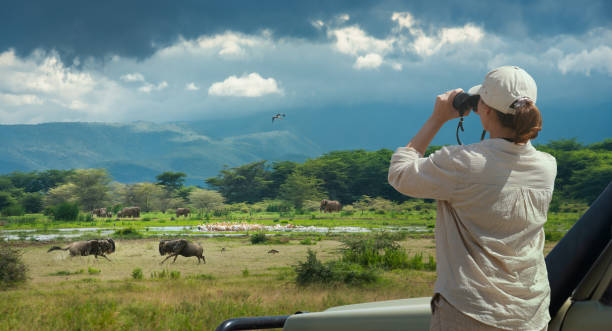
Learn how to choose the best Tanzania safari guide for your adventure. Discover the qualities of expert safari guides, important questions to ask before booking, safety tips, and why traveling with JoyTrekking Tours & Safaris ensures an exceptional wildlife experience.
The best Tanzania safari guide is one who combines extensive wildlife knowledge, professional training, years of field experience, excellent communication skills, strong safety awareness and a genuine passion for conservation.
Tanzania Safari Guide Selection: Choosing Expert Guides and Safari Leadership
Planning a safari in Tanzania is one of the most exciting travel decisions you can make. Home to world-famous destinations such as the Serengeti National Park, Ngorongoro Conservation Area, Tarangire National Park, Lake Manyara National Park and Arusha National Park, Tanzania offers some of Africa’s most spectacular wildlife experiences. However, while choosing the right destination is important, selecting the right safari guide can make an even greater difference.
A professional safari guide is far more than a driver. They are your wildlife expert, safety leader, local storyteller, cultural ambassador and the person responsible for transforming a simple game drive into an unforgettable journey. Their knowledge of animal behavior, ecosystems, birdlife, conservation and local culture can determine whether you simply see wildlife or truly understand and appreciate it.
Whether you’re visiting Tanzania for your first safari or returning for another adventure, this comprehensive guide explains everything you need to know about choosing expert safari guides, what qualities to look for and why your choice of safari operator plays a critical role in the overall experience.
Quick Answer: How Do You Choose the Best Tanzania Safari Guide?
The best Tanzania safari guide is one who combines extensive wildlife knowledge, professional training, years of field experience, excellent communication skills, strong safety awareness and a genuine passion for conservation. A reputable safari company should also employ licensed guides who understand the national parks, respect wildlife, and prioritize guest satisfaction.
When choosing a safari operator, look for companies with experienced local guides, transparent pricing, well-maintained safari vehicles, positive traveler reviews, and itineraries tailored to your interests.
For travelers seeking personalized wildlife experiences across Tanzania’s Northern Circuit, JoyTrekking Tours & Safaris offers professionally guided safaris ranging from one-day excursions to immersive eight-day adventures led by knowledgeable local experts.
Why Your Safari Guide Matters More Than You Think
Many travelers spend weeks comparing safari lodges, destinations, and travel seasons but overlook the importance of the guide leading their journey.
In reality, two visitors exploring the same national park on the same day can have completely different experiences depending on the expertise of their guide.
An experienced safari guide knows:
- Where wildlife was last spotted
- Animal movement patterns
- Seasonal migration routes
- Predator behavior
- Bird identification
- Photography positioning
- Safe wildlife viewing distances
- Road conditions
- Hidden wildlife hotspots
- Best sunrise and sunset locations
Without this expertise, many remarkable wildlife encounters could easily be missed.
Professional guides often communicate with one another throughout the day, sharing recent wildlife sightings while respecting park regulations. This network significantly increases your chances of seeing iconic animals such as lions, leopards, elephants, cheetahs, rhinos, buffaloes and the annual Great Wildebeest Migration.
The Role of a Professional Tanzania Safari Guide selection
A safari guide performs multiple roles throughout your journey. Their responsibilities extend far beyond navigating the park.
Wildlife Expert
Professional guides spend years studying wildlife behavior.
They can identify:
- Big Five mammals
- Rare antelope species
- Over 500 bird species
- Reptiles
- Insects
- Trees and plants
- Animal tracks
- Predator hunting patterns
- Migration routes
Their ability to interpret animal behavior helps travelers understand not just what they are seeing, but why animals behave in certain ways.
For example, a guide may notice subtle warning calls from impalas or baboons that indicate a nearby predator long before it becomes visible.
Conservation Educator
Tanzania protects some of Africa’s most important ecosystems.
Your guide explains:
- Wildlife conservation efforts
- Anti-poaching initiatives
- National park regulations
- Habitat preservation
- Human-wildlife coexistence
- Community conservation projects
Understanding these efforts adds depth to your safari experience while highlighting the importance of responsible tourism.
Cultural Ambassador
Many safaris include opportunities to learn about Tanzania’s rich cultural heritage.
Experienced guides introduce visitors to local traditions, languages, history, and communities while ensuring respectful interactions.
You may visit or learn about:
- Maasai communities
- Iraqw culture
- Hadzabe hunter-gatherers (on selected itineraries)
- Datoga blacksmiths
- Local farming communities
These cultural experiences provide valuable context beyond wildlife viewing.
Safety Leader
Wild animals are unpredictable.
Professional safari guides are trained to:
- Maintain safe viewing distances
- Read animal behavior
- Respond to emergencies
- Navigate difficult terrain
- Handle vehicle challenges
- Communicate with park authorities
- Provide first-response assistance when necessary
Following your guide’s instructions is one of the most important safety practices during any safari.
Qualities of an Exceptional Tanzania Safari Guide
Not every safari guide offers the same level of expertise. The best guides consistently demonstrate a combination of technical knowledge, professionalism and passion.
Extensive Wildlife Knowledge
Top safari guides possess detailed knowledge of:
- Mammals
- Birds
- Amphibians
- Reptiles
- Flora
- Ecology
- Animal communication
- Predator-prey relationships
- Seasonal wildlife movements
Rather than simply identifying species, they explain fascinating ecological relationships that enrich your understanding of the natural world.
Excellent Communication Skills
Great guides know how to communicate with travelers from diverse backgrounds.
They can:
- Explain complex ecological concepts simply
- Answer questions patiently
- Adapt information to different age groups
- Keep long drives engaging
- Share local stories and traditions
- Translate cultural experiences
For international travelers, fluent English is an essential advantage, while multilingual guides can further enhance the experience.
Years of Practical Experience
Experience cannot be replaced by textbooks.
A guide who has spent years exploring Tanzania’s national parks develops an intuitive understanding of wildlife movement, weather patterns, and seasonal changes.
Experienced guides often know:
- Hidden leopard territories
- Lion pride locations
- Elephant migration routes
- Seasonal river crossings
- Prime birdwatching sites
- Quiet game-viewing areas away from crowds
This local knowledge often results in richer and more rewarding safari experiences.
Passion for Nature
The best safari guides genuinely love wildlife and conservation.
Their enthusiasm is contagious, making every game drive educational and inspiring.
Instead of rushing between sightings, they encourage guests to appreciate:
- Animal behavior
- Bird calls
- Scenic landscapes
- Sunrises
- Sunsets
- Ecosystem interactions
These moments often become the most memorable parts of a safari.
Why Local Guides Offer a Better Safari Experience
Choosing a locally based safari company has significant advantages.
Local guides spend their lives exploring Tanzania’s landscapes and developing relationships with surrounding communities.
Their firsthand experience provides insights that are difficult for outsiders to replicate.
Benefits include:
- Current wildlife information
- Knowledge of seasonal road conditions
- Understanding local customs
- Authentic storytelling
- Support for local communities
- Better conservation awareness
- Personalized recommendations
This local expertise creates a more authentic and meaningful safari.
Why Choose JoyTrekking Tours & Safaris?
When selecting a safari operator, experience, professionalism and personalized service matter.
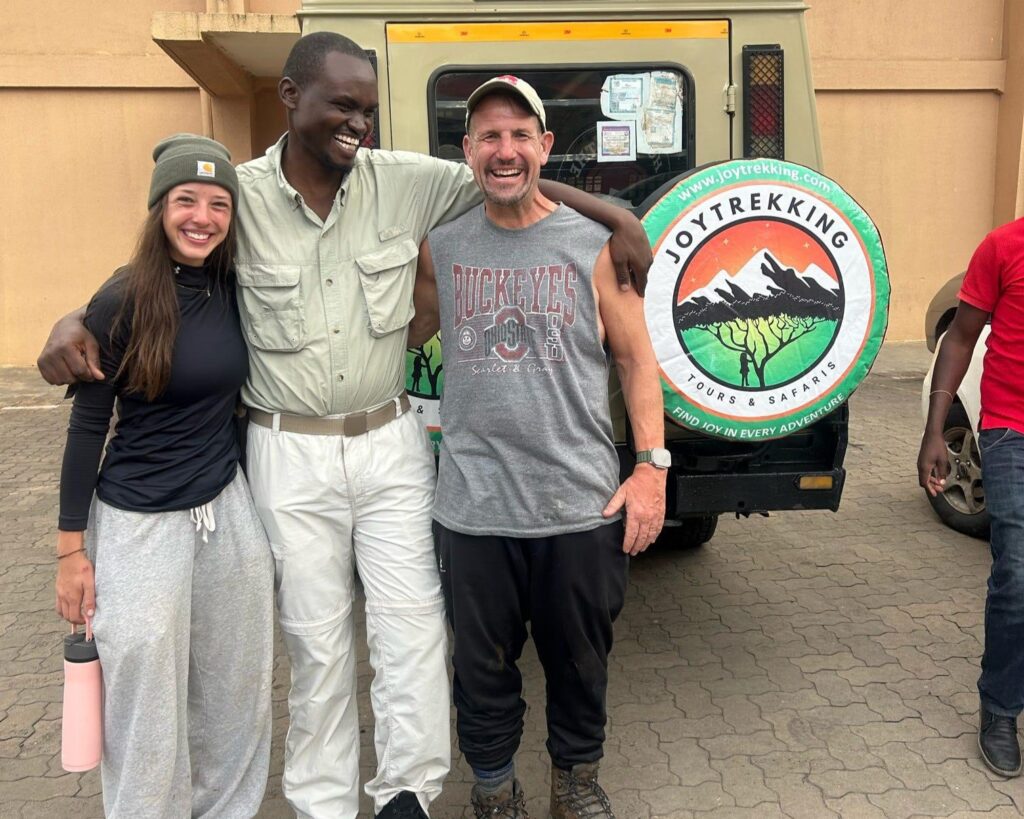
JoyTrekking Tours & Safaris specializes in expertly guided wildlife safaris across Tanzania’s renowned Northern Circuit. The company focuses on delivering safe, educational, and memorable adventures led by knowledgeable local guides who understand Tanzania’s wildlife, landscapes, and cultures.
Whether you’re looking for a short wildlife excursion or a week-long safari, travelers can choose from a variety of thoughtfully designed itineraries, including:
| Safari Package | Duration | Starting Price |
|---|---|---|
| Tarangire National Park Day Trip | 12 Hours | US$230 |
| Lake Manyara National Park Day Trip | 12 Hours | US$240 |
| Arusha National Park Day Trip | 12 Hours | US$260 |
| Ngorongoro Conservation Area Day Trip | 12 Hours | US$420 |
| 2-Day Tarangire & Lake Manyara Safari | 2 Days / 1 Night | US$650 |
| 2-Day Lake Manyara & Ngorongoro Safari | 2 Days / 1 Night | US$700 |
| 2-Day Tarangire & Ngorongoro Safari | 2 Days / 1 Night | US$720 |
| 3-Day Tarangire, Lake Manyara & Ngorongoro Safari | 3 Days / 2 Nights | US$1,050 |
| 3-Day Serengeti & Ngorongoro Safari | 3 Days / 2 Nights | US$1,150 |
| 4-Day Tarangire, Lake Manyara & Ngorongoro Safari | 4 Days / 3 Nights | US$1,280 |
| 4-Day Lake Manyara, Serengeti & Ngorongoro Safari | 4 Days / 3 Nights | US$1,430 |
| 4-Day Tarangire, Serengeti & Ngorongoro Safari | 4 Days / 3 Nights | US$1,450 |
| 5-Day Tarangire, Lake Manyara & Serengeti Safari | 5 Days / 4 Nights | US$1,780 |
| 5-Day Lake Manyara, Serengeti & Ngorongoro Safari | 5 Days / 4 Nights | US$1,820 |
| 5-Day Tarangire, Serengeti & Ngorongoro Safari | 5 Days / 4 Nights | US$1,850 |
| 6-Day Tarangire, Serengeti & Ngorongoro Safari | 6 Days / 5 Nights | US$2,350 |
| 6-Day Serengeti Drive-in Safari (Central & Northern Loop) | 6 Days / 5 Nights | US$2,850 |
| 7-Day Tarangire, Lake Manyara, Serengeti & Ngorongoro Safari | 7 Days / 6 Nights | US$3,250 |
| 8-Day Northern Circuit Safari with Lake Eyasi | 8 Days / 7 Nights | US$3,650 |
From first-time safari-goers to seasoned wildlife enthusiasts, these itineraries cater to a range of interests and travel styles while emphasizing expert guiding, comfortable travel, and authentic experiences.
How to Evaluate a Tanzania Safari Company Before Booking
Choosing an experienced safari guide begins with selecting a reputable safari operator. While Tanzania is home to hundreds of tour companies, not all provide the same level of service, safety, or expertise. A well-established company invests in experienced guides, quality safari vehicles, guest safety, and personalized service.
Before confirming your booking, take time to research the company thoroughly. The lowest price is not always the best value—your safari is a once-in-a-lifetime experience, and the quality of your guide can have a lasting impact.
Look for a Company with Local Expertise
A locally based safari operator has firsthand knowledge of Tanzania’s wildlife, road conditions, weather patterns, and conservation areas. Local guides often spend years exploring the country’s national parks and build strong relationships with park authorities and nearby communities.
This local expertise allows them to:
- Adapt itineraries based on wildlife movements.
- Recommend the best game-viewing times.
- Navigate less crowded routes.
- Share authentic cultural insights.
- Respond quickly to changing park conditions.
At JoyTrekking Tours & Safaris, local knowledge is at the heart of every safari. The team understands the seasonal rhythms of Tanzania’s Northern Circuit, helping guests maximize wildlife sightings while enjoying a comfortable and well-organized journey.
Read Traveler Reviews Carefully
Online reviews provide valuable insight into the experiences of previous guests. However, rather than focusing solely on star ratings, pay close attention to what travelers say about their safari guides.
Look for comments mentioning:
- Wildlife knowledge
- Friendliness
- Professionalism
- Punctuality
- Driving skills
- Photography assistance
- Communication
- Flexibility
- Problem-solving abilities
Consistent praise for a company’s guides is often a strong indicator of quality service.
Verify Licensing and Legal Registration
A professional safari company should operate legally within Tanzania and comply with tourism regulations.
Travelers should verify that the operator is appropriately registered and follows national tourism standards. This demonstrates a commitment to professionalism, accountability, and responsible tourism.
Booking with a legitimate operator also provides greater peace of mind should unexpected situations arise.
Questions to Ask Before Booking Your Safari
One of the best ways to assess a safari operator is by asking detailed questions before making a reservation. A reputable company will be happy to provide clear and transparent answers.
Here are some important questions to ask:
Who Will Be My Safari Guide?
Ask whether your guide will be assigned in advance or on arrival. Understanding who will lead your safari allows you to ask about their experience and areas of expertise.
How Many Years Has the Guide Been Working?
While every guide starts somewhere, experienced guides often have extensive field knowledge developed over years of leading safaris.
A guide with several years of experience is more likely to:
- Locate elusive wildlife.
- Understand seasonal animal behavior.
- Handle unexpected situations confidently.
- Provide engaging explanations throughout the trip.
Does the Guide Speak Fluent English?
Effective communication enhances every safari.
International travelers benefit from guides who can clearly explain wildlife behavior, conservation topics, and local culture while answering questions throughout the journey.
Some operators may also provide guides who speak additional languages, depending on guest requirements.
Is the Safari Private or Shared?
Private safaris offer greater flexibility.
Benefits include:
- Flexible departure times
- Longer wildlife viewing
- Personalized itinerary adjustments
- More photography opportunities
- Tailored experiences for families or couples
Group safaris, meanwhile, can provide a more economical option while still delivering excellent wildlife experiences.
What Vehicle Will Be Used?
Your safari vehicle is almost as important as your guide.
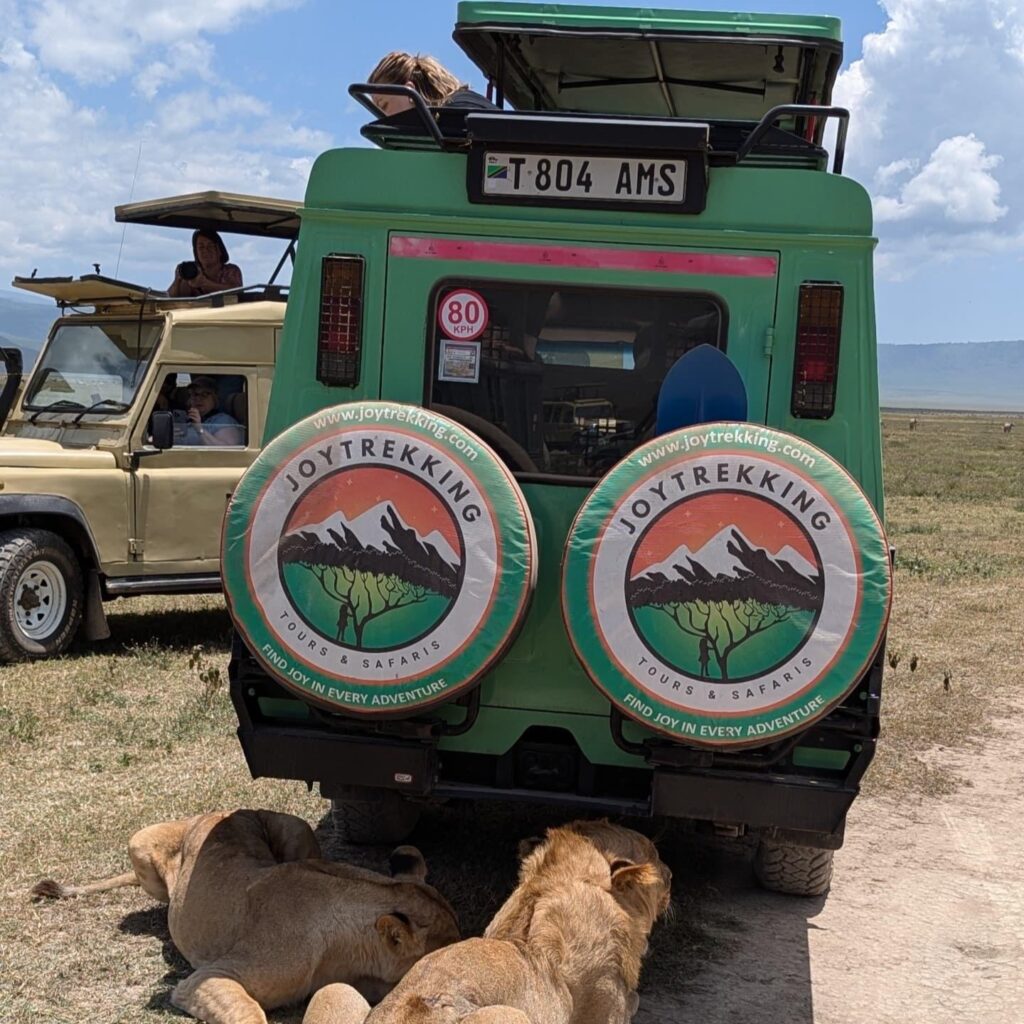
Ask whether the vehicle includes:
- Pop-up roof for game viewing
- Window seats for all guests
- Charging ports
- Refrigerator or cooler
- Comfortable seating
- Radio communication
- First-aid kit
- Spare tires
- Safety equipment
A reliable vehicle contributes significantly to both comfort and safety during extended game drives.
Understanding Safari Guide Certifications
Professional safari guiding requires more than enthusiasm it demands ongoing training, practical experience, and a commitment to responsible tourism.
While qualifications may vary, experienced guides continually expand their knowledge through fieldwork, conservation education, and professional development.
Strong guides are knowledgeable in:
- Wildlife ecology
- Animal identification
- Birdwatching
- Conservation principles
- Visitor safety
- Park regulations
- Cultural interpretation
- Environmental ethics
They also stay informed about changes in park policies and conservation initiatives to ensure guests receive accurate, up-to-date information.
Why Communication Skills Matter
A knowledgeable guide who cannot communicate effectively may struggle to deliver a memorable safari experience.
The best guides know how to balance education with entertainment.
They explain:
- Animal behavior
- Predator strategies
- Ecosystem relationships
- Conservation challenges
- Cultural traditions
- Local history
They also know when to allow moments of quiet, letting travelers fully appreciate the sounds and scenery of the African wilderness.
Safari Vehicles: An Overlooked Part of the Experience
Many travelers focus on accommodations and itineraries while overlooking the importance of the safari vehicle.
A high-quality vehicle improves:
- Wildlife visibility
- Passenger comfort
- Safety
- Photography opportunities
- Overall enjoyment
Professional safari vehicles are specifically designed for Tanzania’s diverse terrain, from gravel roads in Tarangire National Park to the expansive plains of Serengeti National Park.
Essential Vehicle Features
Look for vehicles equipped with:
| Feature | Why It Matters |
|---|---|
| Pop-up roof | Unobstructed wildlife viewing and photography |
| Comfortable seating | Reduces fatigue during long drives |
| Large windows | Better visibility for every passenger |
| Charging ports | Keep cameras and phones powered |
| Cooler or refrigerator | Refreshments during game drives |
| Radio communication | Receive wildlife sighting updates |
| First-aid kit | Added safety and preparedness |
| Regular maintenance | Reliable performance on remote roads |
A well-maintained vehicle reflects a company’s commitment to guest safety and satisfaction.
Red Flags to Watch Out For
Not every safari operator maintains high standards. Being aware of potential warning signs can help you avoid disappointment.
Extremely Low Prices
If a safari package is significantly cheaper than comparable itineraries, consider what may be missing.
Lower prices can sometimes indicate compromises in:
- Guide experience
- Vehicle quality
- Accommodation standards
- Park time
- Included services
Value should always be considered alongside cost.
Poor Communication
If a company is slow to respond before booking, communication may become even more difficult during your trip.
Professional operators should answer questions promptly and provide clear information about itineraries, pricing, and inclusions.
Vague Itineraries
A quality safari itinerary should clearly outline:
- Destinations
- Travel times
- Accommodation
- Meals
- Activities
- Park fees
- Included services
Transparency helps travelers understand exactly what to expect.
Hidden Costs
Before confirming your booking, ask whether the quoted price includes:
- National park entry fees
- Conservation fees
- Accommodation
- Meals
- Drinking water
- Airport transfers
- Government taxes
- Guide services
Unexpected charges can quickly increase the overall cost of your safari.
Private Safari vs Group Safari Leadership
Both private and group safaris offer rewarding experiences, but understanding their differences helps you choose the option that best matches your travel style.
| Feature | Private Safari | Group Safari |
|---|---|---|
| Personalized guide | ? | Shared |
| Flexible schedule | ? | Fixed |
| Photography stops | Unlimited | Limited by group |
| Wildlife viewing time | Flexible | Shared decisions |
| Cost | Higher | More affordable |
| Privacy | Excellent | Moderate |
| Family-friendly | Excellent | Good |
For honeymooners, photographers, families, or travelers celebrating special occasions, private safaris often provide the greatest flexibility and personalized attention.
Choosing the Right Guide for Your Travel Style
Every traveler has unique interests, and the best safari guides adapt their approach accordingly.
Wildlife Photographers
Photography-focused travelers benefit from guides who understand:
- Lighting conditions
- Animal positioning
- Vehicle placement
- Patience at sightings
- Seasonal wildlife movements
These guides know how to position the vehicle for optimal angles while respecting wildlife and other visitors.
Birdwatchers
Tanzania is home to more than 1,100 bird species, making it one of Africa’s premier birding destinations.
Birdwatching enthusiasts should seek guides with advanced bird identification skills who can recognize species by sight and sound.
Families with Children
Family safaris require guides who are patient, engaging, and attentive to younger travelers.
Great family guides:
- Explain wildlife in simple terms.
- Keep children interested.
- Maintain a safe environment.
- Adjust game drives to suit family needs.
Honeymoon Couples
Couples often prefer guides who understand the importance of privacy and flexibility.
These guides can help create romantic moments, recommend scenic picnic locations (where permitted), and tailor the pace of the safari to the couple’s preferences.
First-Time Safari Travelers
If this is your first African safari, choose a guide who enjoys teaching and answering questions.
An educational guide helps first-time visitors understand:
- Animal behavior
- Park ecosystems
- Safari etiquette
- Conservation efforts
- Tanzania’s diverse landscapes
This deeper understanding transforms wildlife sightings into meaningful experiences.
Why Itineraries Matter as Much as the Guide
Even the best guide needs a well-planned itinerary to deliver an exceptional safari. Combining multiple parks allows travelers to experience Tanzania’s incredible ecological diversity.
For example, JoyTrekking Tours & Safaris offers carefully designed itineraries that pair iconic destinations such as Tarangire, Lake Manyara, Serengeti, and the Ngorongoro Conservation Area. Options range from accessible day trips to immersive multi-day adventures, including the 5-Day Tarangire, Lake Manyara & Serengeti Safari, 6-Day Tarangire, Serengeti & Ngorongoro Safari, and the 8-Day Northern Circuit Safari with Lake Eyasi, giving travelers flexibility based on time, interests and budget.
By matching experienced guides with thoughtfully planned routes, travelers can enjoy a balanced combination of wildlife viewing, scenic landscapes, and cultural experiences.
What Separates an Exceptional Safari Guide from an Average One?
Many visitors assume that every safari guide provides the same experience because they travel through the same parks. In reality, the difference between an average guide and an exceptional one becomes clear within the first few hours of a game drive.
An outstanding safari guide doesn’t just drive from one wildlife sighting to another. They interpret the landscape, anticipate animal movements, explain ecological relationships, and create memorable experiences that stay with travelers long after the safari ends.
Exceptional guides consistently demonstrate:
- Outstanding wildlife knowledge
- Excellent communication skills
- Respect for wildlife and park regulations
- Patience and attentiveness
- Strong navigation skills
- Adaptability to changing conditions
- Passion for conservation
- Genuine enthusiasm for sharing Tanzania’s natural heritage
These qualities transform a safari from a sightseeing trip into an educational and deeply rewarding adventure.
How Expert Safari Guides Track Wildlife
One of the most fascinating aspects of a professionally guided safari is witnessing how experienced guides locate wildlife that may seem invisible to untrained eyes.
Rather than relying on luck, guides combine years of field experience with careful observation and knowledge of animal behavior.
Reading Animal Tracks
Every morning, fresh tracks reveal what happened overnight.
Experienced guides can distinguish between tracks left by:
- Lions
- Leopards
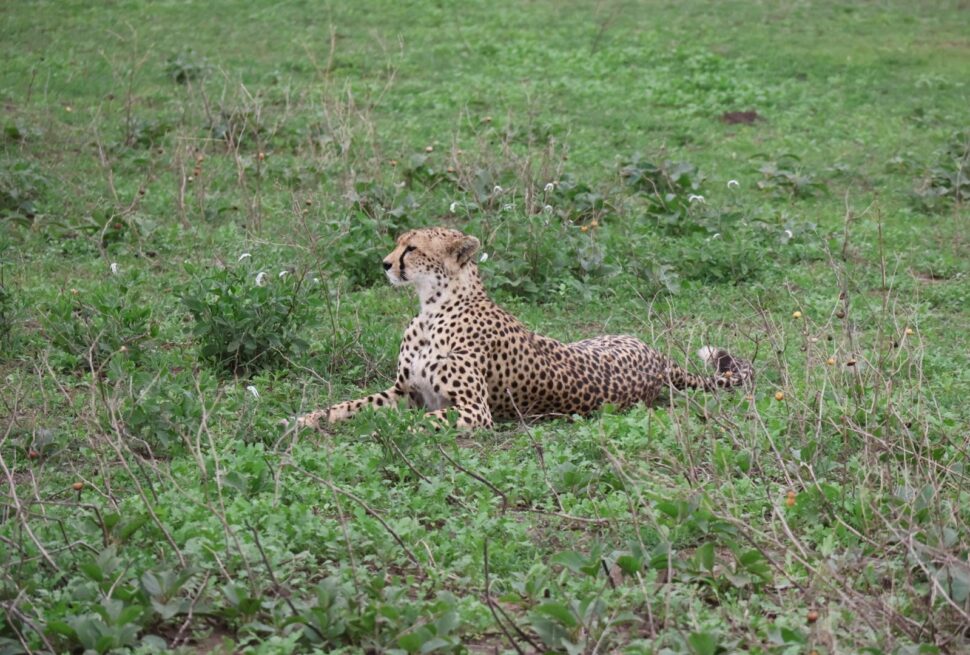
- Cheetahs
- Hyenas
- Elephants
- Buffaloes
- Giraffes
- Zebras
- Antelopes
They can often estimate:
- The direction of travel
- How recently the animal passed
- Whether it was walking, running, or hunting
- The approximate size and age of the animal
This skill greatly increases the chances of locating elusive wildlife.
Listening to Alarm Calls
Many animals warn each other when predators are nearby.
Professional guides recognize alarm calls from species such as:
- Impalas
- Baboons
- Vervet monkeys
- Guinea fowl
- Francolins
Different alarm calls may indicate different predators.
For example:
- Repeated baboon barks may signal a leopard.
- High-pitched impala snorts can indicate lions.
- Birds suddenly taking flight may reveal approaching predators.
These subtle clues often lead guides directly to exciting wildlife encounters.
Observing Bird Behavior
Birds are valuable partners in wildlife tracking.
Experienced guides pay close attention to:
- Vultures circling overhead
- Oxpeckers gathering around large mammals
- Raptors scanning open plains
- Ground birds reacting to predators
A group of vultures descending toward a particular location may indicate a recent predator kill, providing travelers with opportunities to witness remarkable wildlife interactions.
Understanding Seasonal Movements
Wildlife behavior changes throughout the year.
Expert guides understand how rainfall, food availability, and breeding cycles influence animal movements.
For example:
During the Green Season
Guides know where herbivores gather to feed on fresh grasses.
Predators naturally follow these grazing animals.
During the Dry Season
Water becomes the most valuable resource.
Experienced guides focus on:
- Rivers
- Waterholes
- Springs
- Seasonal wetlands
These areas often attract elephants, buffaloes, giraffes, zebras, and numerous predators.
How Expert Guides Increase Your Chances of Seeing the Big Five
Many travelers dream of seeing Africa’s famous Big Five:
- Lion
- Leopard
- Elephant
- Buffalo
- Rhinoceros
Although wildlife sightings can never be guaranteed, experienced guides significantly improve your chances.
Lions
Professional guides know the territories of local prides and understand daily lion behavior.
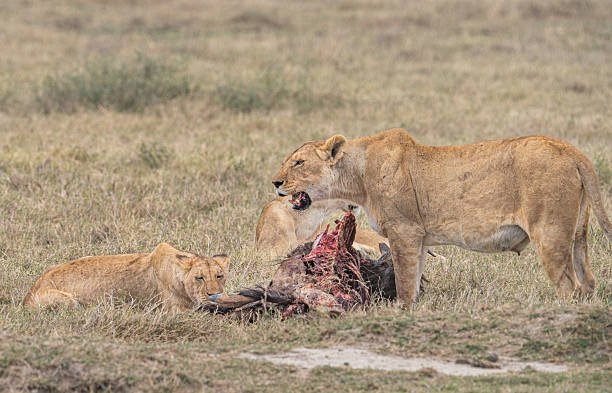
They often search:
- Rocky kopjes
- Riverbanks
- Shaded trees
- Open grasslands during cooler hours
Because lions are most active early in the morning and late in the afternoon, guides carefully time game drives to maximize opportunities.
Leopards
Leopards are among Africa’s most elusive predators.
Finding one requires patience, experience, and keen observation.
Expert guides search:
- Sausage trees
- Acacia branches
- Riverine forests
- Dense woodland
They also recognize signs such as:
- Fresh tracks
- Alarm calls
- Carcasses stored in trees
Elephants
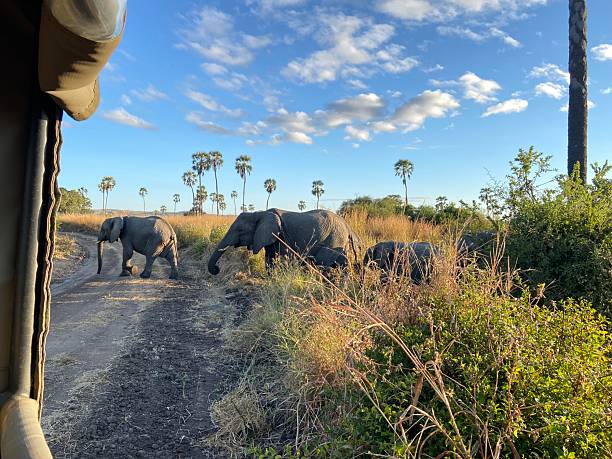
Although elephants are relatively common in northern Tanzania, guides understand seasonal migration routes and feeding patterns.
Tarangire National Park, for example, is renowned for its large elephant herds, particularly during the dry season.
Experienced guides know where these impressive animals are most likely to be found throughout the day.
Buffaloes
African buffaloes often travel in large herds.
Professional guides monitor:
- Grass quality
- Water sources
- Predator activity
Their understanding of herd behavior allows guests to safely observe these powerful animals.
Black Rhinoceros
The black rhino remains one of Tanzania’s rarest animals.
The Ngorongoro Conservation Area offers one of the best opportunities to see this endangered species.
Experienced guides know:
- Viewing areas
- Best times of day
- Safe observation distances
Patience and persistence are essential when searching for rhinos.
Wildlife Ethics: The Hallmark of a Professional Guide
Great safari guides understand that protecting wildlife is more important than obtaining close-up photographs.
Responsible guiding prioritizes animal welfare while providing exceptional viewing experiences.
Maintaining Safe Distances
Professional guides avoid:
- Chasing animals
- Blocking wildlife movement
- Disturbing hunting behavior
- Crowding predators
- Driving off designated tracks
Maintaining appropriate distances reduces stress on wildlife and ensures natural behavior can continue undisturbed.
Respecting Park Regulations
National parks in Tanzania have clear rules designed to protect both visitors and wildlife.
Responsible guides follow these regulations by:
- Observing speed limits
- Staying on authorized roads
- Avoiding restricted areas
- Following park operating hours
- Minimizing environmental impact
These practices support long-term conservation and sustainable tourism.
Educating Travelers
Exceptional guides help visitors understand why ethical behavior matters.
They explain:
- Why feeding wildlife is prohibited
- The importance of remaining inside the vehicle unless permitted
- How litter affects ecosystems
- Why noise should be minimized near animals
This education encourages travelers to become ambassadors for conservation even after returning home.
Seasonal Guiding Strategies
Every season in Tanzania offers unique wildlife experiences, and experienced guides adapt their strategies accordingly.
| Season | Guide Focus |
|---|---|
| January – March | Calving season in parts of the Serengeti, attracting predators and offering excellent opportunities to witness newborn wildlife. |
| April – May | Lush landscapes, fewer visitors, and rewarding birdwatching despite occasional rains. |
| June – October | Dry-season game viewing around rivers and waterholes, with excellent visibility and concentrations of wildlife. |
| November – December | Migratory birds arrive, landscapes become greener, and many animals begin breeding activities. |
By understanding these seasonal patterns, guides can recommend the most suitable itinerary for each traveler.
Common Mistakes Travelers Make When Choosing a Safari
Even experienced travelers can make avoidable mistakes when planning a safari.
Choosing Based Only on Price
A very low price may seem attractive, but it can result in:
- Less experienced guides
- Older vehicles
- Reduced time in national parks
- Lower-quality accommodations
- Limited customer support
Instead, compare the overall value of the experience.
Ignoring Guide Experience
Some travelers spend hours selecting accommodations while overlooking the guide’s qualifications.
Remember:
The guide is the person you’ll spend the most time with during your safari.
Their expertise shapes nearly every aspect of the journey.
Booking at the Last Minute
Popular safari periods especially from June to October and during the Great Wildebeest Migration—can sell out months in advance.
Booking early provides:
- Better guide availability
- More accommodation choices
- Greater itinerary flexibility
- Potential access to preferred travel dates
Overlooking Vehicle Quality
Long game drives become much more enjoyable in a comfortable, well-maintained vehicle with excellent visibility.
Never hesitate to ask for photos or details of the safari vehicle before booking.
Why Guide Expertise Directly Influences Safari Success
A safari is much more than simply driving through a national park in search of wildlife. It is an immersive experience where knowledge, timing, patience, and local expertise come together to create unforgettable memories.
An expert guide knows when to leave camp before sunrise to catch predators returning from a hunt, where elephants gather during the dry season, and which quiet corners of the Serengeti offer incredible wildlife encounters away from busy roads. They also understand how to adapt plans if weather conditions change or if recent wildlife movements suggest a different route.
For travelers choosing JoyTrekking Tours & Safaris, this expertise is reflected in thoughtfully designed itineraries that balance iconic destinations with knowledgeable local guiding. Whether joining the 3-Day Serengeti & Ngorongoro Safari for a classic wildlife experience or embarking on the 7-Day Tarangire, Lake Manyara, Serengeti & Ngorongoro Safari for a more comprehensive journey, guests benefit from guides who prioritize safety, education, and meaningful wildlife encounters.
The result is not just a checklist of animals seen, but a deeper appreciation for Tanzania’s landscapes, ecosystems, and conservation efforts—an experience that often inspires visitors to return for future adventures.
Practical Tip: Match the Safari Length to Your Interests
Choosing the right itinerary also affects the quality of your guided experience.
- Day Trips are ideal for travelers with limited time who want to explore parks like Tarangire, Lake Manyara, Arusha, or the Ngorongoro Conservation Area.
- 2–4 Day Safaris are well suited to first-time visitors seeking a balanced introduction to Tanzania’s Northern Circuit.
- 5–8 Day Safaris provide greater flexibility for exploring multiple ecosystems, increasing wildlife viewing opportunities, and enjoying a more relaxed pace with your guide.
A longer itinerary gives your guide more time to adjust plans based on wildlife activity, weather, and your personal interests, often leading to richer and more rewarding safari experiences.
How to Prepare for a Guided Safari in Tanzania
Once you’ve chosen a reputable safari company and an experienced guide, a little preparation will help you make the most of your adventure. While your guide will take care of navigation, wildlife tracking, and logistics, arriving well-prepared ensures you stay comfortable and fully enjoy every moment in Tanzania’s spectacular wilderness.
Dress for Comfort and the Environment
Safari clothing should be practical rather than fashionable.
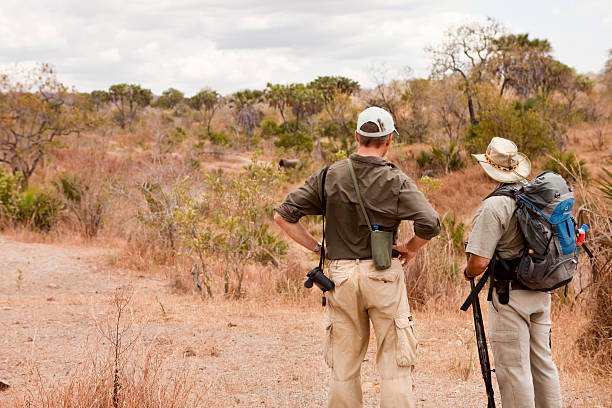
Choose lightweight, breathable clothing in neutral colors such as:
- Khaki
- Olive green
- Beige
- Brown
- Light gray
Neutral colors help you blend into the environment and avoid attracting unnecessary attention from wildlife or insects.
Avoid:
- Bright red
- Neon colors
- Pure white
- Dark blue or black (which can attract tsetse flies in some areas)
Layering is also recommended since mornings can be cool, while afternoons often become warm.
Essential Packing Checklist
Although most safari operators provide comfortable vehicles and bottled drinking water, there are several personal items every traveler should bring.
| Essential Item | Why It’s Important |
|---|---|
| Binoculars | Better wildlife viewing |
| Camera with extra batteries | Capture unforgettable moments |
| Memory cards | Store thousands of photos |
| Sunglasses | Protect against dust and sunlight |
| Sunscreen | Prevent sunburn |
| Wide-brimmed hat | Extra protection from the sun |
| Light jacket | Cool morning game drives |
| Comfortable walking shoes | Suitable for lodge stays and cultural visits |
| Personal medications | Readily available when needed |
| Power bank | Charge phones and cameras |
| Insect repellent | Added comfort during evenings |
| Reusable water bottle | Stay hydrated throughout the day |
Packing light while bringing the essentials makes travel easier, especially if your itinerary includes flights between parks.
Safari Etiquette: How to Be a Responsible Guest
A memorable safari is not only about what you see—it is also about how you experience it. Respecting your guide, fellow travelers, and wildlife helps protect Tanzania’s natural heritage and ensures everyone enjoys the journey.
Listen to Your Guide
Your guide’s instructions are based on years of experience and are designed to keep everyone safe. Whether approaching elephants, observing lions, or driving through rough terrain, following their guidance is essential.
Keep Noise to a Minimum
Wild animals are highly sensitive to sound. Speaking quietly increases the chances of observing natural behavior and prevents unnecessary disturbance.
Never Feed Wildlife
Feeding wild animals changes their natural behavior and can create dangerous situations for both animals and visitors.
Stay Inside the Vehicle
Unless your guide specifically advises otherwise in a designated safe area, remain inside the safari vehicle. Wildlife can react unpredictably, even if it appears calm.
Respect Other Visitors
When multiple vehicles gather around a wildlife sighting, patience and courtesy are important. Experienced guides cooperate to ensure everyone has an opportunity to enjoy the moment.
Working Together With Your Safari Guide
The best safaris feel like a partnership between traveler and guide.
Don’t hesitate to tell your guide about your interests before or during the trip.
For example, you may be especially interested in:
- Big Cats
- Elephants
- Birdwatching
- Photography
- Landscapes
- Cultural experiences
- Conservation
- The Great Wildebeest Migration
Sharing your interests allows your guide to tailor the experience whenever possible.
Likewise, ask questions throughout the safari. Tanzania’s ecosystems are incredibly diverse, and professional guides enjoy explaining the fascinating behaviors, adaptations, and interactions that make each wildlife encounter unique.
Why JoyTrekking Tours & Safaris Is an Excellent Choice
A successful safari depends on much more than visiting famous national parks. It requires careful planning, experienced leadership, reliable logistics and a commitment to providing memorable guest experiences.
JoyTrekking Tours & Safaris combines these elements by offering a range of professionally guided itineraries across Tanzania’s renowned Northern Circuit. Whether you’re traveling solo, as a couple, with family, or in a small group, the company provides options suited to different budgets, schedules, and travel styles.
Some of the most popular safari packages include:
- Tarangire National Park Day Trip – Perfect for travelers with limited time who want to experience Tanzania’s famous elephant herds.
- Ngorongoro Conservation Area Day Trip – A full-day journey into one of Africa’s most iconic wildlife destinations.
- 3-Day Serengeti & Ngorongoro Safari – An excellent introduction to Tanzania’s world-famous wildlife.
- 5-Day Tarangire, Lake Manyara & Serengeti Safari – A balanced itinerary showcasing diverse landscapes and abundant wildlife.
- 6-Day Tarangire, Serengeti & Ngorongoro Safari – Ideal for travelers seeking more extensive game viewing.
- 7-Day Tarangire, Lake Manyara, Serengeti & Ngorongoro Safari – A comprehensive Northern Circuit adventure.
- 8-Day Northern Circuit Safari with Lake Eyasi – Combining exceptional wildlife viewing with authentic cultural experiences.
Each itinerary is designed to maximize time in the parks while providing opportunities to appreciate Tanzania’s remarkable biodiversity and cultural richness.
Frequently Asked Questions (FAQs)
How important is the safari guide in Tanzania?
Your safari guide is one of the most important factors influencing your experience. A knowledgeable guide enhances wildlife sightings, explains animal behavior, ensures safety, and brings Tanzania’s ecosystems to life through expert interpretation.
Is it better to book a private safari?
Private safaris offer greater flexibility, personalized attention, and the ability to tailor game drives to your interests. They are especially popular with photographers, honeymooners, families, and travelers celebrating special occasions.
How many days are recommended for a Tanzania safari?
While day trips provide an introduction to Tanzania’s wildlife, most travelers find that 5 to 7 days allows enough time to visit several parks and enjoy a more comprehensive safari experience.
Which parks are best for first-time visitors?
The Northern Circuit is an excellent choice and includes:
Tarangire National Park
Lake Manyara National Park
Serengeti National Park
Ngorongoro Conservation Area
These destinations offer diverse landscapes and outstanding wildlife viewing.
Can children join a Tanzania safari?
Yes. Many safari itineraries are suitable for families, although minimum age requirements may vary depending on accommodations and activities. Discuss your family’s needs with your tour operator before booking.
When is the best time to visit Tanzania?
Tanzania offers rewarding wildlife experiences throughout the year. The dry season (June to October) is particularly popular for game viewing, while the green season provides lush scenery, excellent birdwatching, and fewer visitors.
What should I bring on safari?
Bring comfortable neutral-colored clothing, binoculars, sunscreen, a hat, insect repellent, a camera, extra batteries, and any necessary personal medications.
Will I definitely see the Big Five?
Wildlife sightings can never be guaranteed because animals roam freely. However, experienced guides greatly improve your chances by using their knowledge of animal behavior, seasonal movements, and park ecosystems.
Conclusion
Choosing the right safari guide is one of the most important decisions you’ll make when planning a Tanzania safari. An experienced guide doesn’t just help you find wildlife they enrich every game drive with local knowledge, fascinating stories, and a deep understanding of Tanzania’s extraordinary ecosystems.
From tracking elusive leopards in the Serengeti to explaining the complex relationships between predators and prey in the Ngorongoro Conservation Area, expert guides turn remarkable wildlife sightings into meaningful experiences that you’ll remember for years to come.
When combined with carefully planned itineraries, reliable vehicles, and a commitment to guest satisfaction, professional guiding transforms an ordinary holiday into an unforgettable African adventure.
Whether you’re planning your first safari or returning to discover more of Tanzania’s natural wonders, choosing an experienced local operator gives you the confidence to explore some of the world’s most celebrated wildlife destinations with knowledgeable leadership every step of the way.
Plan Your Tanzania Safari with JoyTrekking Tours & Safaris
If you’re ready to experience Tanzania’s breathtaking landscapes, incredible wildlife, and expert local guiding, JoyTrekking Tours & Safaris is here to help.
From affordable day trips to immersive multi-day safaris across Tarangire, Lake Manyara, Serengeti, Ngorongoro, and Lake Eyasi, the team can help you choose an itinerary that matches your interests, schedule, and budget.
Whether your dream is to witness the Great Wildebeest Migration, photograph the Big Five, enjoy a family wildlife holiday, or celebrate a special occasion in Africa’s most iconic parks, you’ll be supported by experienced local guides dedicated to delivering safe, educational, and memorable adventures.
Ready to start planning?
Contact JoyTrekking Tours & Safaris today to discuss your travel dates, receive a personalized itinerary, and request a no-obligation safari quotation. Your unforgettable Tanzania safari begins with expert guidance and thoughtful planning.