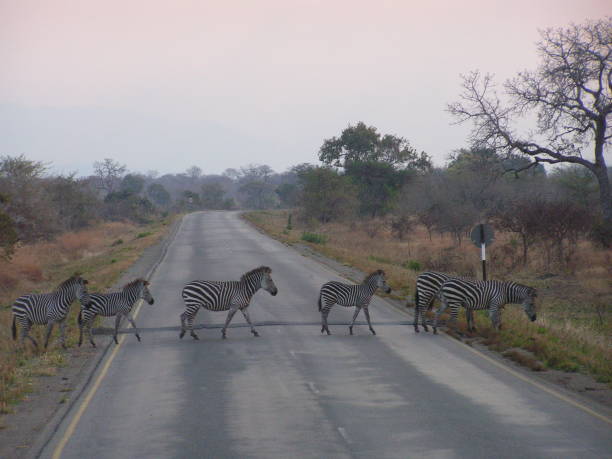
Tanzania Safari Safety Guide for 2026: Learn wildlife encounter tips, safari safety protocols, health precautions, and risk management advice. Explore Tanzania safely with JoyTrekking Tours & Safaris on unforgettable Serengeti, Ngorongoro, and Northern Circuit safari adventures.
A Tanzania safari is very safe when you travel with a licensed and experienced safari company, follow your guide’s instructions, respect wildlife, and observe park regulations.
Tanzania Safari Safety Guide (2026): Wildlife Encounters, Safety Protocols & Risk Management
Introduction
A Tanzania safari is one of the world’s most unforgettable travel experiences. Watching elephants roam beneath ancient baobab trees, witnessing the Great Migration across the Serengeti plains, or spotting a pride of lions resting under an acacia tree creates memories that last a lifetime. Yet for many first-time visitors, one question comes before booking:
“Is a Tanzania safari safe?”
The answer is yes Tanzania is widely regarded as one of Africa’s safest and most established safari destinations when you travel with a reputable tour operator and follow professional safety guidelines.
Every year, hundreds of thousands of international travelers visit Tanzania to explore world-famous national parks, including Serengeti National Park, Ngorongoro Conservation Area, Tarangire National Park, Lake Manyara National Park, and Arusha National Park. These protected areas are managed under strict conservation regulations, while experienced safari guides are trained to prioritize guest safety throughout every game drive and wilderness experience.
At JoyTrekking Tours & Safaris, safety is not simply a checklist it’s an essential part of every safari itinerary. From maintaining well-equipped safari vehicles to employing knowledgeable local guides and planning routes with current park conditions in mind, every detail is designed to provide a safe, enjoyable, and worry-free adventure.
This comprehensive guide explains everything you need to know about wildlife encounters, safari safety protocols, risk management strategies, and practical travel tips for visiting Tanzania in 2026.
Quick Answer: Is Tanzania Safe for Safari?
Yes.
A Tanzania safari is very safe when you travel with a licensed and experienced safari company, follow your guide’s instructions, respect wildlife, and observe park regulations.
While safaris take place in natural environments shared with wild animals, the overall risk to visitors is extremely low because of:
- Professional safari guides
- Strict national park regulations
- Well-maintained safari vehicles
- Controlled game-viewing practices
- Experienced lodge staff
- Emergency communication systems
- Established tourism infrastructure
Most safari-related incidents occur when travelers ignore safety instructions, attempt to approach wildlife independently, or behave recklessly around animals. By listening to your guide and respecting the natural environment, you significantly reduce potential risks while enjoying an extraordinary wildlife experience.
Why Tanzania Is One of Africa’s Safafest Safari Destinations
Tanzania has earned an outstanding reputation as one of Africa’s premier safari destinations thanks to decades of investment in wildlife conservation, tourism infrastructure, and professional guiding standards.
Several factors contribute to this reputation.
World-Class Protected Areas
Tanzania is home to some of Africa’s most celebrated wildlife ecosystems, including:
- Serengeti National Park
- Ngorongoro Conservation Area
- Tarangire National Park
- Lake Manyara National Park
- Arusha National Park
- Ruaha National Park
- Nyerere National Park
These protected areas are managed by dedicated conservation authorities that enforce regulations designed to protect both wildlife and visitors.
Highly Trained Safari Guides
A professional safari guide is your most valuable safety resource.
Experienced guides understand:
- Animal behavior
- Safe viewing distances
- Emergency procedures
- Seasonal wildlife movements
- Vehicle positioning
- Weather conditions
- Terrain hazards
Their expertise allows guests to enjoy exceptional wildlife sightings while minimizing unnecessary risks.
At JoyTrekking Tours & Safaris, guides combine years of field experience with local knowledge, enabling travelers to enjoy close wildlife encounters safely and responsibly.
Well-Regulated Tourism Industry
Licensed safari operators comply with national tourism standards regarding:
- Vehicle safety
- Driver qualifications
- Park regulations
- Visitor management
- Environmental protection
- Guest welfare
These standards contribute significantly to Tanzania’s reputation as a safe destination for international visitors.
Understanding Wildlife Safety
One of the biggest misconceptions about African safaris is that visitors are constantly in danger from wild animals.
In reality, wildlife generally avoids unnecessary confrontation with humans.
Animals such as lions, elephants, giraffes, zebras, buffalo, and cheetahs are accustomed to safari vehicles and often regard them as non-threatening objects rather than prey or competitors.
Problems typically arise only when:
- Visitors leave vehicles without permission.
- People attempt to feed wildlife.
- Loud noises disturb animals.
- Tourists ignore guide instructions.
- Animals feel threatened or cornered.
Professional safari guiding focuses on preventing these situations before they develop.
The goal is not merely observing wildlife but doing so responsibly, respectfully, and safely.
How Professional Safari Guides Keep Travelers Safe
Behind every successful safari is a guide making hundreds of safety decisions throughout the day.
Guests may only notice the spectacular wildlife sightings, but experienced guides continuously monitor changing conditions.
They observe:
- Animal body language
- Distance from predators
- Elephant herd movements
- Buffalo behavior
- River crossings
- Road conditions
- Weather changes
- Nearby vehicles
These ongoing assessments help guides determine the safest locations for wildlife viewing while maximizing photographic opportunities.
Professional guides also maintain communication with other guides and park authorities whenever necessary, ensuring they remain informed about road closures, weather events, or unusual wildlife activity.
Essential Safari Safety Protocols
Professional safari companies follow established procedures before, during, and after every game drive.
These protocols significantly reduce risks while enhancing the overall guest experience.
1. Safety Briefing Before Departure
Every safari should begin with a comprehensive safety briefing covering:
- Vehicle rules
- Wildlife etiquette
- Emergency contacts
- Photography guidelines
- Park regulations
- Health precautions
- Communication procedures
Understanding these expectations before entering the parks helps travelers feel confident throughout the journey.
2. Staying Inside the Safari Vehicle
One of the most important safety rules is simple:
Remain inside the vehicle unless your guide explicitly says it is safe to exit.
Safari vehicles provide a secure viewing platform because wildlife generally perceives the entire vehicle as a single, non-threatening object. Standing up unexpectedly, climbing out, or attempting to approach animals on foot can alter that perception and increase risk.
3. Respect Wildlife Space
Wild animals require personal space.
Professional guides know appropriate viewing distances and adjust vehicle positions to avoid causing stress.
Responsible wildlife viewing also supports long-term conservation by minimizing disturbance to natural behaviors.
4. Follow Guide Instructions Immediately
Your guide understands the environment better than anyone else in the vehicle.
If instructed to:
- remain seated,
- stay quiet,
- avoid sudden movements, or
- leave an area,
follow those directions promptly. They are based on real-time observations of wildlife behavior and are intended to keep everyone safe.
Risk Management During Tanzania Safaris
Risk management is a core element of responsible safari operations. Rather than reacting only when something goes wrong, experienced operators identify potential hazards in advance and plan to reduce them.
At JoyTrekking Tours & Safaris, this proactive approach helps guests enjoy the adventure with confidence.
Route Planning
Before each departure, guides consider factors such as:
- Seasonal road conditions
- Weather forecasts
- Wildlife movement patterns
- Park advisories
- Estimated driving times
- Fuel and rest stops
This planning minimizes delays and avoids unnecessary exposure to changing conditions.
Vehicle Readiness
A reliable safari vehicle is more than transportation it’s an essential safety asset.
Routine inspections typically include:
- Tire condition
- Braking systems
- Suspension
- Communication equipment
- First-aid supplies
- Recovery equipment
- Seat integrity
Well-maintained vehicles reduce the likelihood of mechanical issues in remote areas.
Communication and Coordination
Professional safari teams maintain communication with lodges, park authorities, and fellow guides when appropriate. This coordination allows for timely updates about road access, weather, or wildlife activity and supports efficient responses if assistance is ever needed.
Guest Awareness
Risk management also depends on informed travelers. Guests who understand safari etiquette, stay attentive during briefings, and ask questions whenever they’re unsure contribute to a safer and more enjoyable experience for everyone.
Wildlife Encounter Safety in Tanzania: How to Stay Safe Around Wild Animals
A Tanzania safari offers some of the closest wildlife experiences in the world. Seeing a lion walking across the Serengeti plains, watching elephants gather in Tarangire or observing hippos in Ngorongoro creates unforgettable memories.
However, many travelers naturally wonder:
“How safe is it to be close to wild animals during a Tanzania safari?”
The answer depends on one important factor: responsible wildlife viewing.
Wild animals are not dangerous simply because they exist in their natural habitat. The main purpose of safari safety is to understand animal behavior, maintain respectful distances, and follow professional guidance at all times.
With an experienced safari company like JoyTrekking Tours & Safaris, travelers enjoy wildlife encounters through carefully planned game drives, professional guides, and strict adherence to national park regulations
Lion Safety on Tanzania Safaris
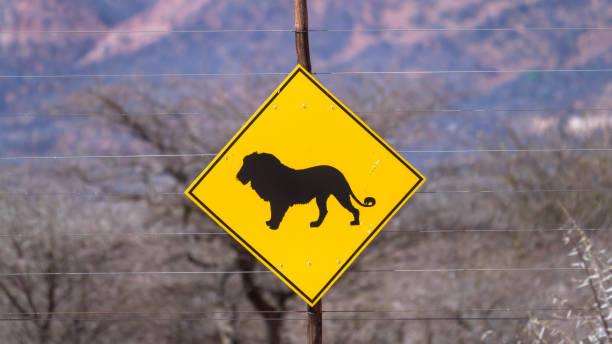
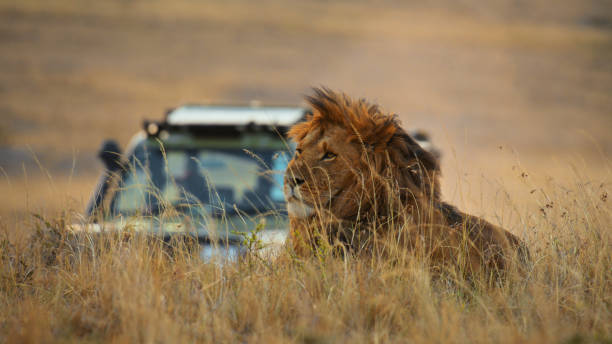
Lions are among the most exciting animals to see during a Tanzania safari, especially in destinations such as Serengeti National Park and Ngorongoro Conservation Area.
Although lions are powerful predators, safari vehicles allow visitors to observe them safely when proper procedures are followed.
Safety Tips When Viewing Lions
- Remain inside the safari vehicle unless your guide gives permission to exit.
- Avoid making loud noises or sudden movements.
- Do not attempt to attract a lion’s attention for photographs.
- Never approach a lion on foot.
- Listen carefully when your guide explains animal behavior.
Professional guides understand lion behavior, including signs of alertness, hunting activity, territorial behavior, and stress responses.
A relaxed lion lying near a vehicle is very different from a lion that feels threatened or disturbed. Your guide knows the difference and positions the vehicle accordingly.
Elephant Safety During Tanzania Safaris
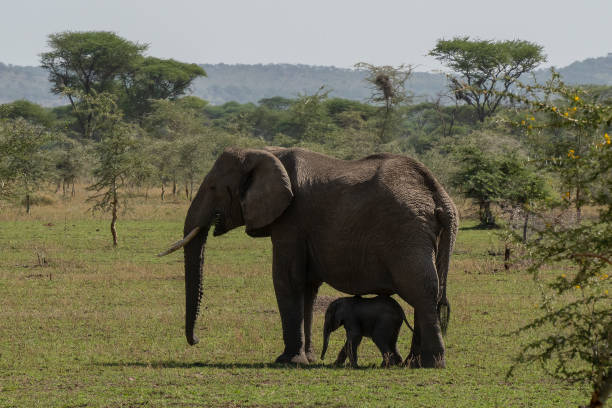
Elephants are among the most impressive animals in Tanzania. They are commonly seen in:
- Tarangire National Park
- Serengeti National Park
- Ngorongoro Conservation Area
- Lake Manyara National Park
Despite their calm appearance, elephants are large, powerful animals that require respect and careful observation.
How to Stay Safe Around Elephants
Travelers should:
- Avoid sudden movements.
- Remain quiet when elephants approach.
- Allow elephants enough space to move freely.
- Never attempt to touch or feed elephants.
- Follow your guide’s instructions immediately.
Elephants may display warning behaviors such as:
- Ear spreading
- Trunk movements
- Mock charges
- Loud trumpeting
These signals help experienced guides decide whether to remain, reposition, or move away.
Buffalo Safety: Understanding Africa’s Most Powerful Herbivores
The African buffalo is one of the famous “Big Five” animals and can be found across many Tanzanian ecosystems.
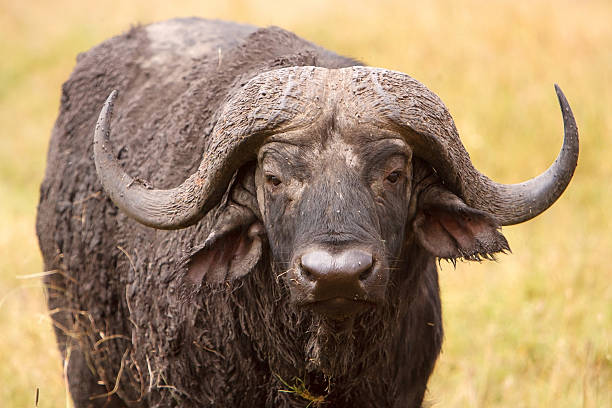
Unlike some animals that prefer avoiding humans, buffalo can become defensive when they feel threatened.
Buffalo Safety Guidelines
During buffalo sightings:
- Stay inside the vehicle.
- Avoid sudden movements.
- Allow your guide to determine the correct viewing distance.
- Do not underestimate their strength because they are herbivores.
Experienced guides understand buffalo behavior, especially when observing:
- Large herds
- Mothers with calves
- Lone bulls
- Animals near water sources
Leopard Safety During Safari Game Drives
Leopards are among the most beautiful and elusive predators in Tanzania.
They are commonly found in:
- Serengeti National Park
- Lake Manyara National Park
- Tarangire National Park
Because leopards are naturally shy and solitary, sightings are often special moments.
Safety recommendations include:
- Avoid making noise to attract the animal.
- Do not leave the vehicle to search for a leopard.
- Allow guides to position the vehicle safely.
- Enjoy the sighting without disturbing the animal.
Rhino Safety in Ngorongoro Conservation Area
The black rhino is one of Tanzania’s rarest wildlife species and can occasionally be seen in Ngorongoro Crater.
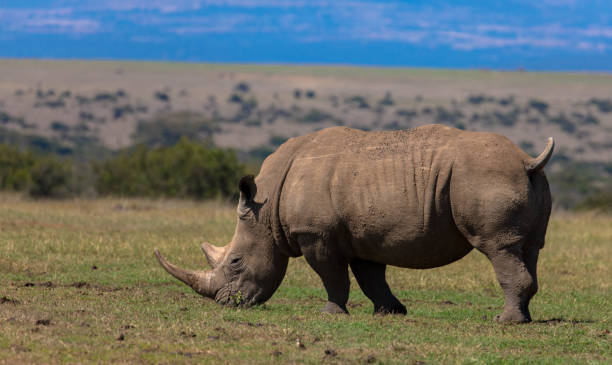
Because rhinos have poor eyesight but excellent hearing and smell, they may react unexpectedly if they feel surprised.
Safety measures include:
- Maintaining a safe distance.
- Avoiding sudden vehicle movements.
- Remaining calm during sightings.
- Following guide instructions.
Protecting endangered species also means observing them responsibly without causing unnecessary stress.
Hippo Safety: The Hidden Danger Near Water
Many travelers underestimate hippos because they spend much of the day resting in water.
However, hippos are among Africa’s most dangerous large mammals.
They can become aggressive when they feel their territory is threatened, especially near water.
Hippo Safety Rules
Never:
- Walk close to a hippo pool without permission.
- Approach hippos for photographs.
- Stand between a hippo and the water.
- Ignore guide instructions near rivers or lakes.
During safari experiences in areas such as Ngorongoro and Lake Manyara, professional guides carefully choose safe observation points.
Crocodile Safety in Tanzania
Crocodiles are commonly associated with rivers and lakes, including areas where wildlife gathers during dry seasons.
Safety practices include:
- Keeping a safe distance from water edges.
- Avoiding swimming in unauthorized areas.
- Following park and guide instructions.
- Never approaching crocodiles for photographs.
Wildlife viewing should always prioritize safety over getting a closer picture.
Snake Safety During a Tanzania Safari
Many travelers worry about snakes before visiting Africa. While Tanzania has snake species that require respect, encounters with tourists are uncommon during normal safari activities.
Most snakes avoid human activity.
Snake Prevention Tips
Travelers should:
- Wear appropriate footwear during walking activities.
- Avoid moving rocks or logs.
- Use a flashlight around camps at night.
- Follow walking safari instructions.
- Avoid touching unknown animals.
Professional guides and camp staff understand local wildlife and know how to manage unexpected encounters.
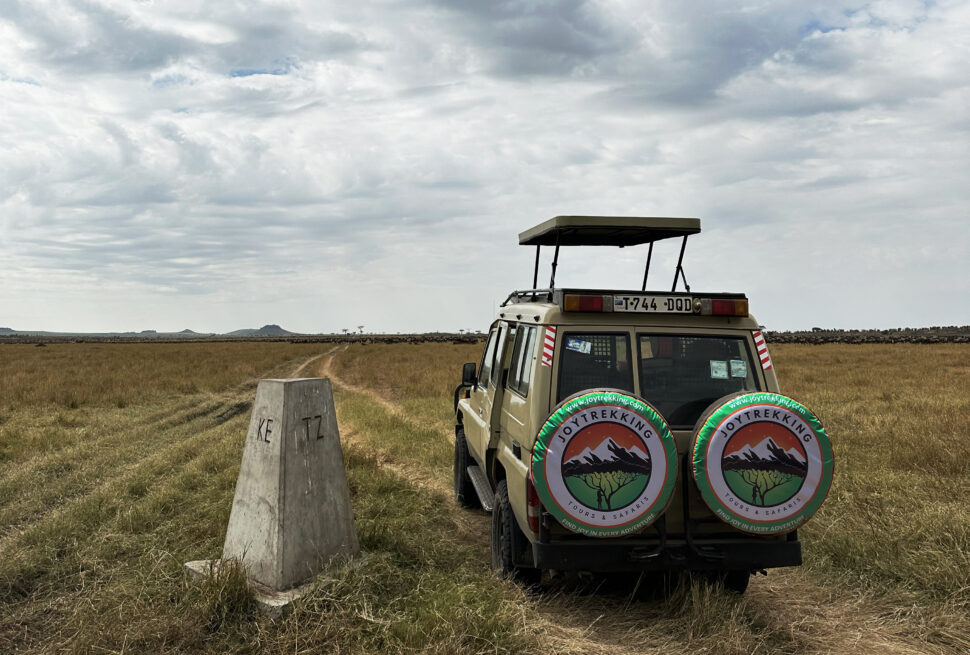
Safari Vehicle Safety: Your Mobile Safety Zone
A safari vehicle is designed to provide both comfort and protection while exploring wildlife areas.
Professional safari vehicles normally include:
- Elevated viewing positions
- Strong construction
- Communication equipment
- Emergency supplies
- Experienced drivers
At JoyTrekking Tours & Safaris, safari planning focuses on combining comfort, reliability, and safety so guests can concentrate on enjoying Tanzania’s incredible landscapes and wildlife.
Popular safari options include:
| Safari Package | Duration | Highlights |
|---|---|---|
| Tarangire National Park Day Trip | 1 Day | Elephants, baobabs, wildlife viewing |
| Ngorongoro Conservation Area Day Trip | 1 Day | Crater wildlife experience |
| 5-Day Tarangire, Lake Manyara & Serengeti Safari | 5 Days | Northern Circuit highlights |
| 7-Day Tarangire, Lake Manyara, Serengeti & Ngorongoro Safari | 7 Days | Complete classic Tanzania safari |
Camping and Lodge Safety During Tanzania Safaris
Many visitors choose safari accommodations ranging from comfortable lodges to authentic tented camps.
Modern safari camps follow strict safety procedures to protect guests while maintaining an authentic wilderness atmosphere.
Important Camp Safety Rules
Always:
- Follow staff instructions after dark.
- Use escorted walking services when required.
- Keep tent entrances closed.
- Avoid walking alone at night.
- Store food properly.
Wildlife may move naturally through conservation areas, and camp safety systems exist to ensure peaceful coexistence between visitors and nature.
Health and Medical Safety on Tanzania Safaris
Preparing your health before traveling contributes greatly to a comfortable safari experience.
Before Your Trip
Travelers should consider:
- Travel insurance
- Recommended vaccinations
- Personal medications
- Medical consultation before international travel
For current health advice, travelers can consult authoritative resources such as the World Health Organization (WHO) and the Centers for Disease Control and Prevention (CDC) Traveler Health Information.
During Your Safari
Helpful habits include:
- Drinking enough water.
- Protecting yourself from the sun.
- Using insect repellent.
- Wearing suitable clothing.
- Informing your guide about medical needs.
Food and Water Safety
Safari lodges and camps serving international travelers maintain high hygiene standards.
However, travelers should still:
- Drink bottled or treated water.
- Wash hands regularly.
- Eat properly prepared meals.
- Carry personal medication if needed.
A well-planned safari itinerary allows travelers to enjoy Tanzania comfortably while minimizing avoidable health concerns.
Common Safari Safety Mistakes Travelers Should Avoid
Even experienced travelers can make mistakes when visiting wildlife areas.
Avoid these common errors:
1. Leaving the Vehicle Without Permission
This is one of the biggest safety risks.
Wildlife can move quickly, and animals may react differently outside a vehicle.
2. Trying to Get the Perfect Photo
A photograph is not worth risking your safety.
Always prioritize your guide’s instructions over getting closer to wildlife.
3. Ignoring Weather Conditions
Tanzania’s landscapes can experience strong sun, sudden rain, and temperature changes.
Prepare appropriately with:
- Sun protection
- Comfortable clothing
- Rain protection
- Proper footwear
4. Not Listening During Safety Briefings
Safari briefings exist because they contain important information about your specific itinerary and environment.
Tanzania Safari Safety by Destination: What Travelers Should Know
Tanzania offers a variety of safari destinations, each with unique landscapes, wildlife experiences, and travel considerations. While all major safari areas operate under established conservation and safety regulations, understanding each destination helps travelers prepare better.
JoyTrekking Tours & Safaris designs safari experiences based on destination conditions, seasonal wildlife movements, and guest expectations to ensure every journey is both safe and memorable.
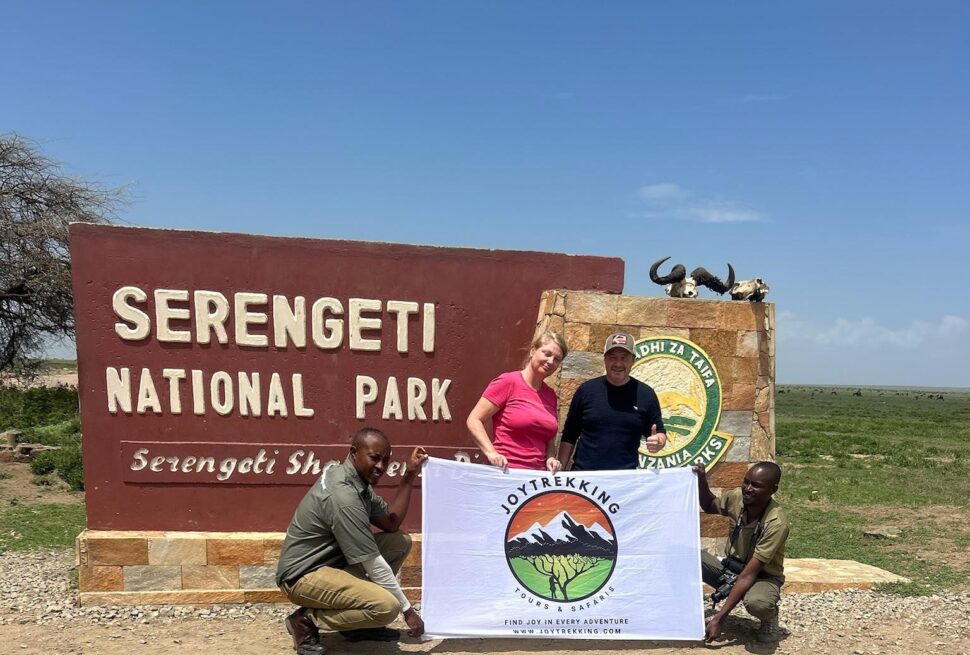
Serengeti National Park Safety Guide
The Serengeti is Tanzania’s most famous safari destination and home to incredible wildlife experiences, including the Great Migration.
Visitors commonly encounter:
- Lions
- Elephants
- Leopards
- Cheetahs
- Buffalo
- Giraffes
- Zebras
- Wildebeest
Serengeti Safety Tips
- Always remain inside the safari vehicle during game drives.
- Avoid standing unnecessarily when predators are nearby.
- Follow your guide’s instructions during wildlife encounters.
- Respect park speed limits and regulations.
- Avoid approaching animals for photographs.
The Serengeti’s open plains provide excellent wildlife viewing opportunities, but the environment remains a true wilderness. Professional guidance is essential for safe exploration.
JoyTrekking Tours & Safaris offers Serengeti-focused experiences, including:
- 3-Day Serengeti & Ngorongoro Safari
- 5-Day Lake Manyara, Serengeti & Ngorongoro Safari
- 6-Day Serengeti Drive-in Safari (Central & Northern Loop)
- 7-Day Tarangire, Lake Manyara, Serengeti & Ngorongoro Safari
Ngorongoro Conservation Area Safety Guide
Ngorongoro Crater is one of Africa’s most extraordinary wildlife destinations. Its enclosed ecosystem supports a high concentration of animals, making it one of the best places for game viewing.
Common sightings include:
- Lions
- Elephants
- Buffalo
- Hippos
- Flamingos
- Black rhinos
Ngorongoro Safety Recommendations
Visitors should:
- Follow crater regulations.
- Stay with their guide.
- Avoid leaving designated areas.
- Maintain quiet behavior near wildlife.
- Follow picnic site safety rules.
The crater environment allows exceptional wildlife viewing, but travelers should remember that they are observing animals in their natural habitat.
JoyTrekking Tours & Safaris provides Ngorongoro experiences such as:
- Ngorongoro Conservation Area Day Trip
- 2-Day Lake Manyara & Ngorongoro Safari
- 3-Day Tarangire, Lake Manyara & Ngorongoro Safari
- 4-Day Tarangire, Lake Manyara & Ngorongoro Safari
Tarangire National Park Safety Guide
Tarangire is famous for its large elephant populations, ancient baobab trees, and seasonal wildlife concentrations.
The park is particularly rewarding during dry seasons when animals gather around the Tarangire River.
Tarangire Safety Tips
Travelers should:
- Maintain distance from elephant herds.
- Avoid sudden movements during sightings.
- Listen carefully to driver-guide instructions.
- Stay hydrated during hot game drives.
Recommended JoyTrekking Tours & Safaris experiences include:
| Safari Experience | Duration | Price Starting From |
|---|---|---|
| Tarangire National Park Day Trip | 1 Day | $230 |
| 2-Day Tarangire & Manyara Safari | 2 Days | $650 |
| 2-Day Tarangire & Ngorongoro Safari | 2 Days | $720 |
| 5-Day Tarangire, Lake Manyara & Serengeti Safari | 5 Days | $1,780 |
| 7-Day Northern Circuit Safari | 7 Days | $3,250 |
Lake Manyara National Park Safety Guide
Lake Manyara offers diverse landscapes including forests, lakeshores, and open plains.
Visitors may see:
- Elephants
- Tree-climbing lions
- Hippos
- Giraffes
- Large bird populations
Lake Manyara Safety Advice
- Stay inside vehicles during wildlife viewing.
- Avoid approaching lake areas without guidance.
- Protect yourself from insects.
- Carry sun protection.
JoyTrekking Tours & Safaris offers:
- Lake Manyara National Park Day Trip
- 2-Day Lake Manyara & Ngorongoro Safari
- 5-Day Lake Manyara, Serengeti & Ngorongoro Safari
Arusha National Park Safety Guide
Arusha National Park is located close to Arusha city and offers a combination of wildlife viewing, landscapes, and optional walking experiences.
Because some activities may involve being outside vehicles, additional safety procedures apply.
Walking Safari Safety
During guided walks:
- Stay close to your ranger.
- Never walk ahead of the group.
- Avoid sudden movements.
- Follow instructions immediately.
- Wear suitable footwear.
Walking safaris are safe when conducted with qualified guides and proper preparation.
Family Safari Safety in Tanzania
A Tanzania safari can be an excellent family adventure when planned correctly.
Children often enjoy:
- Seeing elephants and giraffes
- Learning about conservation
- Experiencing different cultures
- Exploring nature
Family Safari Safety Tips
Families should consider:
- Choosing comfortable itineraries.
- Avoiding overly long driving days.
- Carrying snacks and water.
- Informing the safari company about children’s ages.
- Choosing suitable accommodation.
JoyTrekking Tours & Safaris can help families select safari programs that balance adventure, comfort, and safety.
Solo Traveler Safety in Tanzania
Solo travelers can enjoy Tanzania safely by choosing a reliable safari operator.
Important recommendations:
- Book with a licensed company.
- Share your itinerary with trusted contacts.
- Follow local guidance.
- Avoid unnecessary risks.
- Choose organized safari experiences.
Joining a professionally arranged safari provides additional support, local expertise, and peace of mind.
Female Traveler Safety in Tanzania
Tanzania welcomes many female travelers every year, including solo travelers, couples, and groups.
Helpful safety practices include:
- Choosing reputable tour operators.
- Dressing respectfully according to local customs.
- Keeping personal belongings secure.
- Following guide recommendations.
- Using trusted transportation.
Professional safari companies prioritize guest comfort and safety regardless of gender.
Emergency Preparedness During a Tanzania Safari
Although serious emergencies are rare, professional safari operators prepare for unexpected situations.
Good safari planning includes:
- Emergency communication options
- First-aid supplies
- Driver-guide training
- Reliable vehicles
- Coordination with lodges and park authorities
Before departure, travelers should also prepare:
- Travel insurance documents
- Emergency contact information
- Personal medical details
- Required medications
Preparation creates confidence and allows travelers to focus on enjoying Tanzania’s incredible wilderness.
Best Practices Before Booking a Tanzania Safari
Choosing the right safari company is one of the most important safety decisions.
Before booking, travelers should check:
Experience
Choose a company with knowledge of Tanzania’s parks, routes, and wildlife conditions.
Safety Standards
Ask about:
- Vehicle maintenance
- Guide experience
- Emergency procedures
- Communication systems
Transparent Itineraries
A trustworthy operator provides clear information about:
- Safari duration
- Accommodation
- Activities
- Pricing
- Included services
JoyTrekking Tours & Safaris provides carefully planned Tanzania safari experiences designed around safety, comfort, and authentic wildlife encounters.
Tanzania Safari Safety FAQs
Is Tanzania safe for safari holidays in 2026?
Yes. Tanzania remains one of Africa’s leading safari destinations. When traveling with a professional operator and following wildlife safety rules, visitors can enjoy a safe and unforgettable experience.
Are wild animals dangerous during a Tanzania safari?
Wild animals are naturally powerful, but safari risks are minimized through professional guides, vehicle safety, and strict park regulations.
Can I leave the safari vehicle during a game drive?
Only leave the vehicle when your guide confirms it is safe. In most wildlife areas, staying inside the vehicle is the safest option.
Is Serengeti safari safe for first-time visitors?
Yes. The Serengeti welcomes thousands of first-time safari travelers every year. Professional guides ensure visitors enjoy wildlife encounters safely.
What should I pack for safari safety?
Recommended items include:
Comfortable walking shoes
Sunscreen
Hat
Sunglasses
Insect repellent
Personal medication
Light layers of clothing
Camera equipment
Are Tanzania safaris safe for children?
Yes. Family safaris can be very safe when itineraries, accommodations, and activities are chosen appropriately.
Do I need travel insurance for a Tanzania safari?
Travel insurance is strongly recommended because it provides protection against unexpected medical situations, cancellations, or travel disruptions.
Which Tanzania safari destinations are safest?
Major destinations such as Serengeti, Ngorongoro, Tarangire, Lake Manyara, and Arusha National Park operate with established tourism systems and professional safety standards.
Plan Your Safe Tanzania Safari with JoyTrekking Tours & Safaris
A Tanzania safari is not only about seeing wildlife it is about experiencing nature responsibly, comfortably and safely.
From the endless Serengeti plains to the spectacular Ngorongoro Crater and elephant-filled landscapes of Tarangire, every destination offers unforgettable moments when explored with the right team.
At JoyTrekking Tours & Safaris, we combine local expertise, professional guides, reliable safari planning, and personalized service to create safe Tanzania safari experiences for travelers from around the world.
Whether you are planning a short day trip or a complete Northern Circuit adventure, our team is ready to help you design the perfect itinerary.
Request a quote today and start planning your safe and unforgettable Tanzania safari adventure with JoyTrekking Tours & Safaris.