Planning your Tanzania adventure? Discover how many days to climb Mount Kilimanjaro for the highest summit success rate, better acclimatization and an unforgettable trekking experience in 2026 with JoyTrekking Tours & Safaris.
Introduction
Climbing Mount Kilimanjaro is one of the greatest adventures in Africa. Every year, thousands of international travelers visit Tanzania with one common question: how many days to climb Mount Kilimanjaro for the highest success rate?
The answer is simple: the longer your itinerary, the higher your chances of reaching the summit successfully.
At JoyTrekking Tours & Safaris, we recommend routes that allow proper acclimatization, better recovery and a safer trekking experience. In this 2026 guide, you will learn the ideal number of days to climb Kilimanjaro, summit success rates by route, acclimatization tips and how to choose the best itinerary for your adventure.
Quick Summary
Duration
Success Rate
Recommended For
5 Days
Low
Experienced hikers only
6 Days
Moderate
Fit trekkers with altitude experience
7 Days
High
Most travelers
8 Days
Very High
Best acclimatization & comfort
9+ Days
Excellent
Maximum summit success
Best Recommendation:
7–8 days is the ideal duration for most climbers seeking the highest summit success rate on Mount Kilimanjaro.
Why the Number of Days Matters on Kilimanjaro
When people ask how many days to climb Mount Kilimanjaro, the real concern is usually about altitude sickness and summit success.
Unlike technical mountains, Kilimanjaro does not require climbing skills. However, the mountain’s high elevation 5,895 meters (19,341 feet) makes acclimatization extremely important.
The more days you spend on the mountain:
Your body adjusts better to altitude
You reduce the risk of Acute Mountain Sickness (AMS)
How Many Days to Climb Mount Kilimanjaro for the Highest Success Rate?
For most trekkers, the best answer to how many days to climb Mount Kilimanjaro is:
7 to 8 Days
A 7–8 day itinerary provides enough time for acclimatization while maintaining a comfortable trekking pace.
Routes with shorter durations may save money, but they dramatically reduce summit success rates.
Here is a general breakdown:
Route Duration
Estimated Summit Success Rate
5 Days
50–60%
6 Days
65–75%
7 Days
80–90%
8 Days
90–95%
Best Kilimanjaro Routes for High Success Rates
1. Lemosho Route (7–8 Days)
The Lemosho Route is considered one of the best routes on Kilimanjaro.
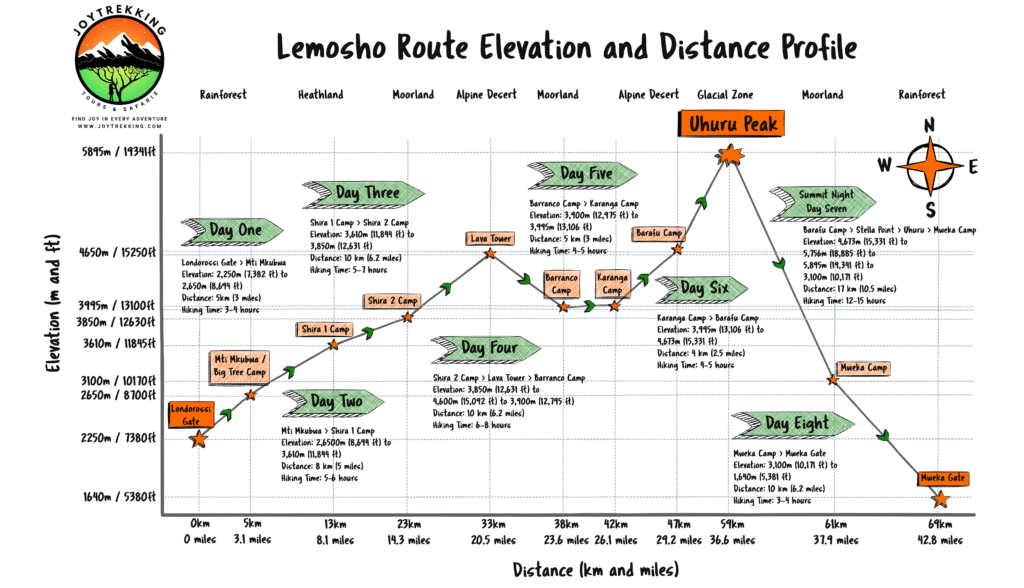
The Lemosho Route elevation and distance chart highlights the gradual ascent profile that improves acclimatization and increases summit success rates on Mount Kilimanjaro.
Why It’s Recommended:
Excellent acclimatization profile
Beautiful panoramic scenery
Less crowded
High summit success rates
Best Duration:
8 Days
2. Machame Route (7 Days)
The Machame Route is famous for its scenic landscapes and strong acclimatization opportunities.
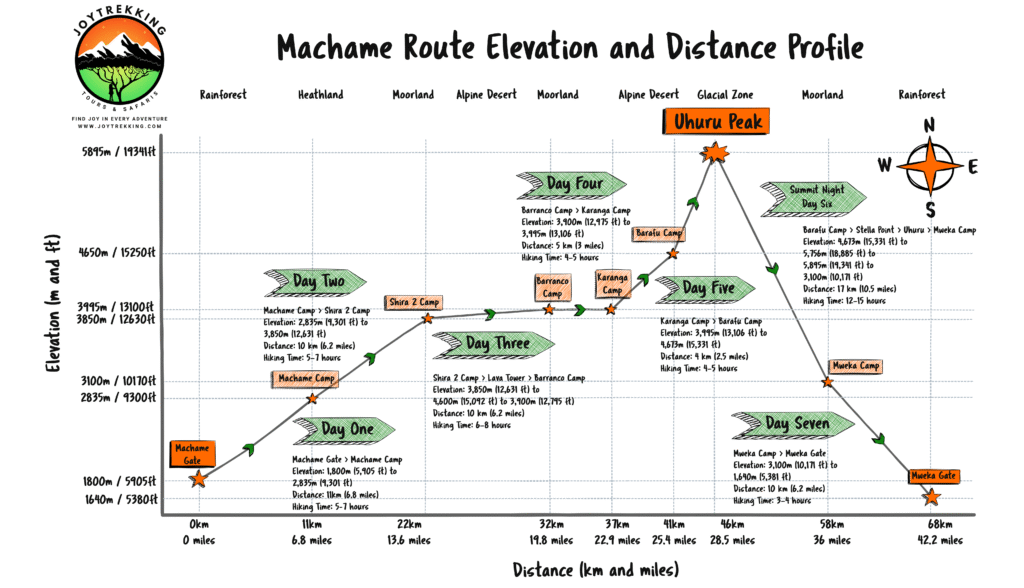
The Machame Route elevations and distances chart illustrates the daily ascent profile on Mount Kilimanjaro, helping climbers understand altitude gain and plan for better acclimatization and higher summit success rates.
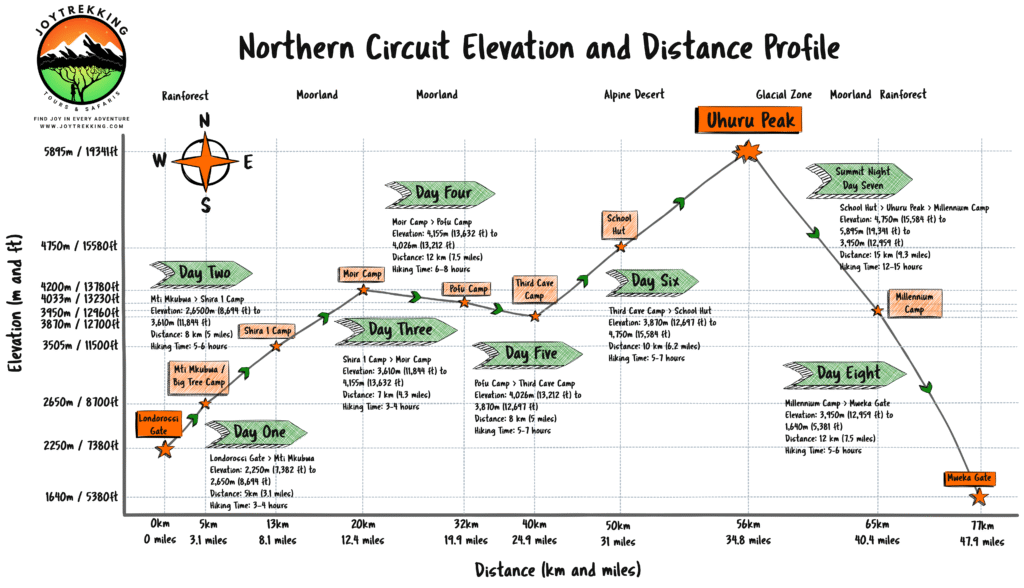
The Northern Circuit Route elevations and distances chart shows the longest and most gradual ascent on Mount Kilimanjaro, offering excellent acclimatization and the highest summit success rates.
Why Choose It:
Highest success rates
Quiet and remote trails
More time to adapt to altitude
Best Duration:
8–9 Days
Routes to Avoid for Higher Success Rates
If your priority is reaching the summit successfully, avoid extremely short itineraries.
Marangu Route (5 Days)
Although the Marangu Route is popular, the standard 5-day version has lower summit success rates due to rapid altitude gain.
Common Problems:
Poor acclimatization
Increased altitude sickness risk
Exhausting summit push
If choosing Marangu, consider the 6-day option instead.
Factors That Affect Summit Success
Even after deciding how many days to climb Mount Kilimanjaro, several other factors influence your success.
Proper Acclimatization
The body needs time to adapt to lower oxygen levels at higher elevations.
Important Tips:
Walk slowly (“Pole Pole” in Swahili)
Stay hydrated
Eat enough calories
Sleep properly
Listen to your guides
Physical Fitness
You do not need to be an athlete to climb Kilimanjaro but preparation matters.
Recommended Training:
Hiking
Cardio workouts
Stair climbing
Strength training
Long-distance walking
Choosing a Professional Tour Operator
A reliable trekking company improves your safety, comfort and summit chances.
These months provide safer trails and better summit conditions.
What Happens During Summit Night?
Summit night is considered the most challenging and emotional stage of climbing Mount Kilimanjaro. Trekkers usually begin the ascent around midnight under freezing temperatures and strong mountain winds, guided only by headlamps and the stars above. The slow overnight climb is designed to help climbers conserve energy and adapt to the thin air at high altitude.
During the ascent, trekkers gradually make their way toward important milestones including:
Gilman’s Point
Stella Point
Uhuru Peak
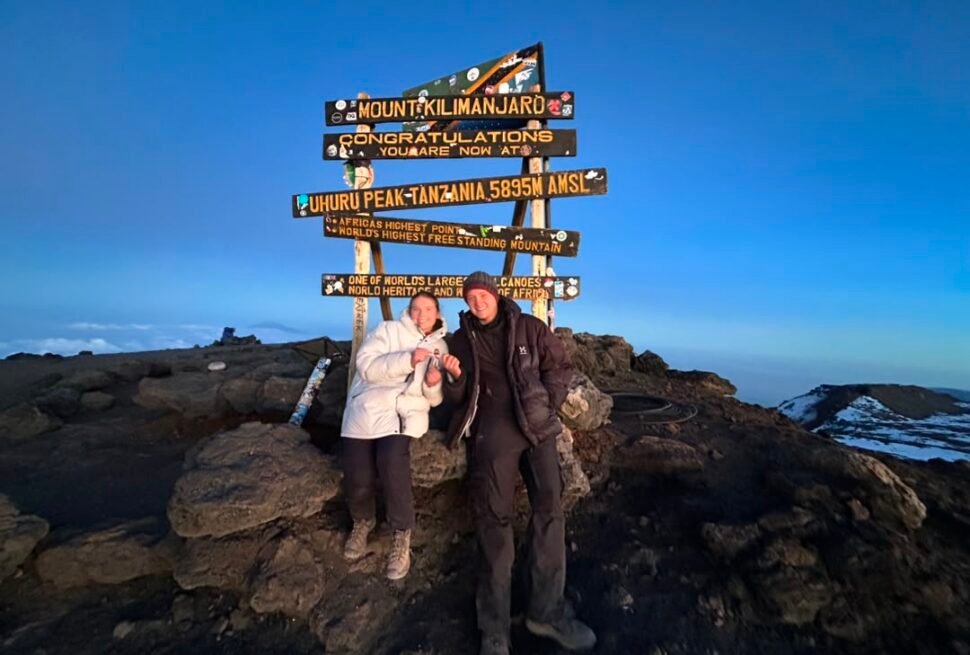
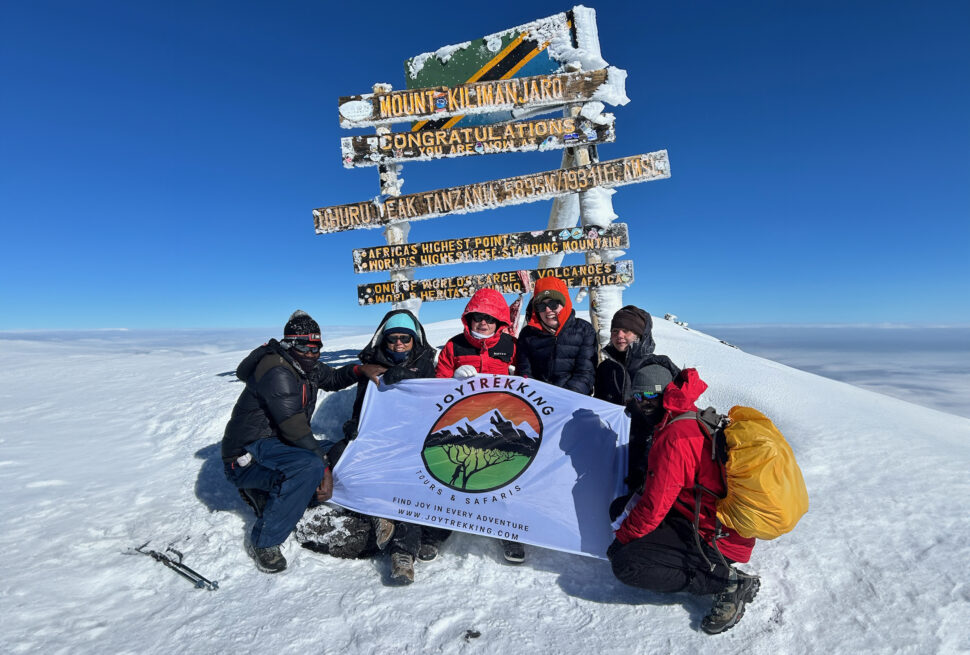
Reaching Uhuru Peak the highest point in Africa at 5,895 meters (19,341 feet) is an unforgettable achievement and the highlight of every Kilimanjaro expedition.
Because summit night is physically and mentally demanding, choosing a longer itinerary plays a major role in success. Extra acclimatization days allow your body to adjust better to altitude, improve oxygen efficiency, reduce fatigue and significantly increase your chances of reaching the summit safely and confidently.
Packing Essentials for Kilimanjaro
Here are must-have items for your climb:
Waterproof hiking boots
Thermal layers
Down jacket
Sleeping bag
Trekking poles
Gloves and warm hat
Headlamp
Sunglasses
Water bottles or hydration pack
Why International Travelers Choose Tanzania for Kilimanjaro
Combining trekking and safari creates the ultimate African adventure experience.
FAQs About How Many Days to Climb Mount Kilimanjaro
Is 5 days enough to climb Kilimanjaro?
Yes, but it is not ideal. A 5-day itinerary has lower success rates because your body has limited time to acclimatize.
What is the best duration for beginners?
For beginners, 7–8 days is highly recommended for better acclimatization and comfort.
Which Kilimanjaro route has the highest success rate?
The Northern Circuit Route generally has the highest summit success rate due to its longer acclimatization period.
How difficult is climbing Mount Kilimanjaro?
Kilimanjaro is physically demanding but technically non-technical. Proper preparation and enough trekking days improve success.
Can altitude sickness be prevented?
While it cannot be fully prevented, slower ascent and proper acclimatization significantly reduce the risk.
Final Thoughts
Choosing the right itinerary is one of the most important decisions when planning your Mount Kilimanjaro adventure. In most cases, longer itineraries provide a far better climbing experience and significantly improve your chances of reaching the summit successfully.
More Days on Kilimanjaro Mean:
Better acclimatization to high altitude
Higher summit success rates
Less physical exhaustion during summit night
More time to enjoy the mountain’s stunning landscapes
A safer and more comfortable trekking experience
At JoyTrekking Tours & Safaris, we carefully design our Kilimanjaro itineraries to maximize both safety and summit success for international travelers. Our experienced mountain guides, quality equipment and personalized support ensure that every climber enjoys a professional, ethical, and unforgettable adventure in Tanzania.
Our Customer Experience
Isadora Theberge2025.01.14
A really awesome company! I climbed Kilimanjaro with them and everything was well organized, and I always felt cared for on the trek. Everyone had really great energy, singing and dancing, lifting our spirits up. Would definitely recommend booking through them!
Ready to Climb Mount Kilimanjaro?
Your dream of standing on the Roof of Africa starts today.
January Mziray is a Tanzania tourism expert, mountain travel specialist and professional safari consultant at JoyTrekking Tours & Safaris. With years of experience guiding international travelers across Tanzania, January specializes in Kilimanjaro trekking, wildlife safaris and authentic African adventure experiences.