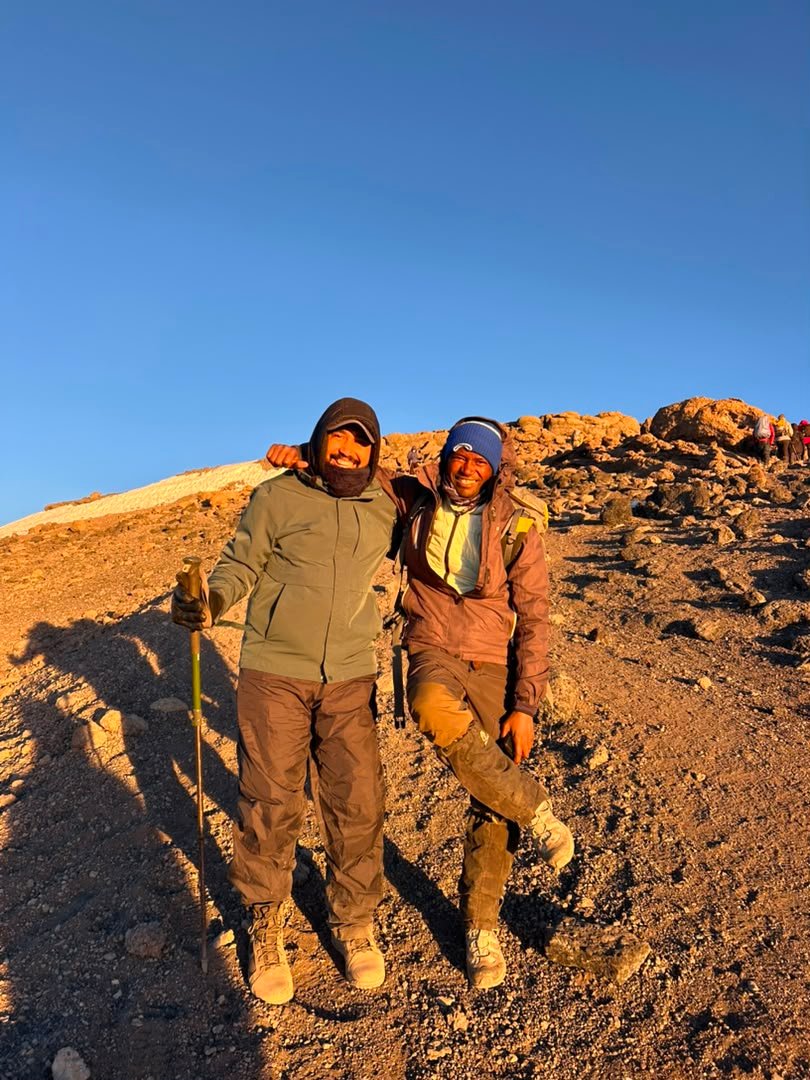
Planning mountain climbing on Kilimanjaro? Compare routes, trek durations, costs, seasons and preparation tips for a safer, well-informed Tanzania adventure.
Introduction: Understanding Mountain Climbing Kilimanjaro
Mount Kilimanjaro is one of Tanzania’s most recognisable natural landmarks and a major destination for international mountain trekkers. Rising to 5,895 metres (19,341 feet) above sea level, it is the highest mountain in Africa and a UNESCO World Heritage Site.
Located in northern Tanzania, Kilimanjaro attracts visitors interested in high-altitude trekking, remarkable landscapes and the experience of travelling through several ecological zones on one mountain. Its scenery changes from cultivated lower slopes and montane forest to heathland, alpine desert and the high summit area.
However, mountain climbing Kilimanjaro requires more than enthusiasm and suitable walking shoes. High altitude, cold conditions, changing weather and physical exertion make preparation, a suitable itinerary and professional guidance essential.
For travellers considering this experience, understanding the available routes, typical trek durations, costs and safety arrangements is an important first step.
JoyTrekking Tours & Safaris provides Kilimanjaro trekking options for travellers planning a Tanzania adventure. This guide explains the main considerations to help you evaluate your options and make an informed decision.
For official destination information, visit the Tanzania National Parks Authority (TANAPA) Kilimanjaro National Park visitor guide and the UNESCO Kilimanjaro National Park profile.
Why Is Mount Kilimanjaro Unique?
Kilimanjaro is a volcanic massif with three principal volcanic centres: Kibo, Mawenzi and Shira. Kibo contains Uhuru Peak, the mountain’s highest point.
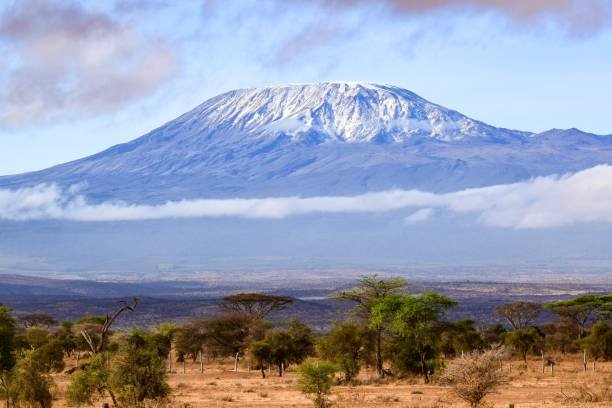
What distinguishes Kilimanjaro is the combination of its height, relative isolation above the surrounding plains and dramatic changes in landscape.
1. Africa’s Highest Mountain
At 5,895 metres, Kilimanjaro stands above the surrounding landscape and offers a distinctive high-altitude environment. Reaching the summit requires a demanding trek and careful attention to the effects of altitude.
2. Several Ecological Zones
The mountain’s vegetation and climate change with elevation. Trekkers may pass through montane forest, heath and moorland, alpine desert and the summit environment, depending on their route.
These changing landscapes make the trek a varied natural experience rather than a walk through a single type of terrain.
3. A Significant Conservation Area
Kilimanjaro National Park protects important habitats and natural features. Visitors are expected to follow park regulations, respect wildlife and minimise their environmental impact.
4. A Distinctive Tanzania Travel Experience
Some travellers visit Kilimanjaro as their main destination, while others combine time in northern Tanzania with cultural experiences or a wildlife safari. The best itinerary depends on available time, budget, fitness, personal preferences and recovery needs.
Kilimanjaro Climbing Routes: Which One Should You Consider?
There are several established routes to the summit. They differ in scenery, duration, accommodation arrangements, trail characteristics and opportunities for acclimatisation.
No route can guarantee a successful summit, and a longer itinerary does not remove all altitude-related risks. Route selection should be discussed with a qualified operator using your individual circumstances.
1. Marangu Route
Typical itinerary: 5–6 days or longer, depending on the itinerary.
The Marangu Route approaches Kilimanjaro from the southeastern side. It is known for its mountain-hut accommodation, making it different from the tented camps used on most other climbing routes.
Key features:
- Accommodation in designated mountain huts.
- A well-established route with a defined trail.
- Forest and high-altitude scenery.
- An ascent and descent that generally use the same route.
Who might consider it?
Travellers who prefer hut accommodation may wish to compare Marangu with other options. When reviewing itineraries, pay attention to the number of days allocated for acclimatisation rather than choosing solely on the shortest advertised duration.
2. Machame Route
Typical itinerary: Commonly 6–7 days, with longer itineraries also available.
The Machame Route approaches the mountain from the southwest and is known for its varied scenery. Climbers generally stay in designated camps.
Key features:
- Changing landscapes along the ascent.
- Tented camp accommodation.
- Routes that can incorporate the principle of climbing higher during the day and sleeping at a lower elevation, depending on the itinerary.
- A route profile that requires preparation for sustained walking and elevation gain.
Who might consider it?
Travellers comparing scenic trekking routes may want to examine Machame’s daily distances, elevation profile, camping arrangements and acclimatisation schedule.
3. Lemosho Route
Typical itinerary: Commonly 7–8 days or longer.
Lemosho approaches Kilimanjaro from the west. It is valued for its varied landscapes and the possibility of a longer itinerary.
Key features:
- A western approach to the mountain.
- Forest and high-altitude scenery.
- Tented camp accommodation.
- Itineraries that can provide additional time for acclimatisation.
Who might consider it?
Lemosho may be worth comparing if you have enough time for a longer trek and prefer an itinerary that includes additional days on the mountain. Confirm the exact route and daily camp elevations before booking.
4. Rongai Route
Typical itinerary: Commonly 6–7 days or longer.
The Rongai Route approaches Kilimanjaro from the northern side, near the Kenyan border.
Key features:
- A northern approach to the mountain.
- Distinct scenery compared with the southern approaches.
- Designated tented camps.
- An itinerary that should be assessed carefully for acclimatisation time.
Who might consider it?
Travellers interested in comparing different sides of the mountain may want to consider Rongai alongside Machame and Lemosho. Weather, trail conditions and itinerary details remain important factors.
5. Umbwe Route
Typical itinerary: Varies by operator and itinerary.
Umbwe is known for a steeper and more direct ascent profile. Its limited opportunities for gradual acclimatisation can make it a less suitable option for many first-time high-altitude trekkers.
Key features:
- A steep approach.
- Demanding elevation gain.
- A route profile that requires careful consideration of altitude exposure.
Who might consider it?
Anyone considering Umbwe should discuss their previous trekking experience, health considerations and acclimatisation needs with a qualified operator. A direct ascent should not be chosen simply to reduce the number of days on the mountain.
6. Northern Circuit Route
Typical itinerary: Commonly 8–9 days or longer.
The Northern Circuit follows a longer approach around the mountain’s northern slopes before joining the upper mountain routes.
Key features:
- An extended itinerary.
- Broad views across different parts of Kilimanjaro.
- Multiple days available for gradual progression, depending on the itinerary.
- A substantial time commitment.
Who might consider it?
Travellers with sufficient time who want to compare longer itineraries may wish to examine the Northern Circuit. Ask the operator to explain the daily elevation profile, accommodation and acclimatisation schedule.
Kilimanjaro Route Comparison
| Route | Typical duration | Accommodation | Important consideration |
|---|---|---|---|
| Marangu | 5–6 days or longer | Mountain huts | Review acclimatisation time |
| Machame | 6–7 days or longer | Tented camps | Compare daily elevation changes |
| Lemosho | 7–8 days or longer | Tented camps | Consider the longer itinerary |
| Rongai | 6–7 days or longer | Tented camps | Review route profile and acclimatisation |
| Umbwe | Varies | Tented camps | Steeper ascent; specialist assessment is important |
| Northern Circuit | 8–9 days or longer | Tented camps | Requires a longer time commitment |
Durations are general planning examples, not fixed promises. Operators may offer different itineraries, and actual routes and camp arrangements should be confirmed before booking.
For the park’s official information about routes, access and regulations, consult the Kilimanjaro National Park visitor guide.
How Much Does Mountain Climbing Kilimanjaro Cost?
The cost of climbing Kilimanjaro depends on the route, number of days, group size, accommodation, park fees, guide and porter services, equipment arrangements and the standard of service included.
A lower advertised price does not necessarily mean better value. Compare the complete itinerary and the services provided rather than looking at the headline price alone.
What Can Affect the Price?
1. Route and duration
Longer itineraries require additional days of guiding, food, accommodation and mountain logistics. These factors can influence the total price.
2. Group size
Private climbs and shared group departures may have different pricing structures. Ask whether the quotation is calculated per person and what minimum or maximum group size applies.
3. Park fees and mountain logistics
The overall cost may include park entry, camping or hut fees, rescue-related charges and other applicable fees. Ask the operator to explain the current fee structure.
4. Guide and porter services
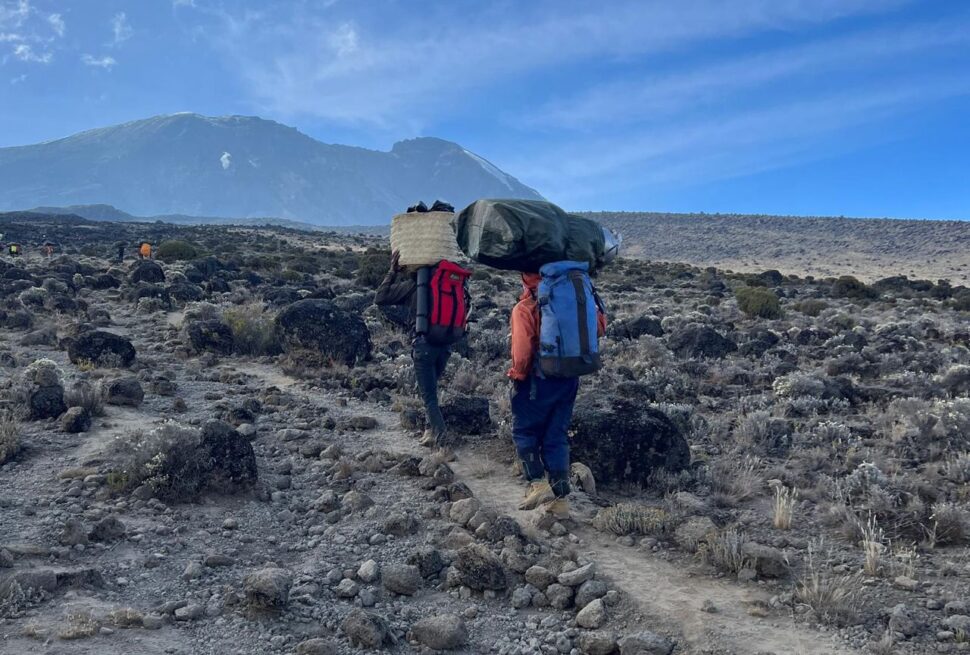
Professional guiding, porter support, food preparation and camp logistics form an important part of a supported climb. Ask how the team is organised and what services are included.
5. Accommodation before and after the trek
Some packages include hotel nights before or after the climb, while others quote mountain services separately. Confirm the exact number of nights and accommodation standard.
6. Equipment and personal expenses
You may need to budget for suitable clothing, personal equipment, travel insurance, tips where customary, visas, international flights and other expenses not included in your package.
What Should a Kilimanjaro Package Include?
Before confirming a booking, request a written breakdown covering:
- Route and number of trekking days.
- Accommodation on the mountain.
- Pre-climb briefing and transfers, where included.
- Guide, porter and support-team arrangements.
- Meals and drinking-water arrangements.
- Applicable park and camping or hut fees.
- Rescue-related arrangements.
- Hotel accommodation before and after the trek, if included.
- Exclusions, payment terms and cancellation policy.
For pricing information and available itinerary options, visit the JoyTrekking Tours & Safaris pages below:
Always confirm current prices, group-size conditions and inclusions directly before making a booking.
What Is the Best Time for Mountain Climbing Kilimanjaro?
Kilimanjaro can be climbed during different periods of the year, but conditions vary. Rainfall, temperature, wind, cloud cover and trail conditions can influence the experience.
Many travellers consider the relatively drier periods around January to early March and June to October. These are general seasonal patterns, not guarantees of good weather. Conditions at high altitude can change quickly even during a normally favourable period.
January to Early March
This period is often considered for trekking because conditions can be relatively dry, although weather and visibility remain variable.
June to October
These months are another commonly considered period. They can be busy, so travellers should confirm availability and plan accommodation and transfers in advance.
Rainier Periods
Rain can make lower trails wet and muddy, while cloud cover may affect visibility. The suitability of a particular departure depends on current conditions, the chosen route and the operator’s assessment.
Planning advice: Instead of choosing dates based on season alone, ask for current guidance, review the proposed itinerary and allow flexibility in your wider Tanzania travel plans.
For official park guidance, see TANAPA’s Kilimanjaro visitor information.
How Should You Prepare for a Kilimanjaro Trek?
Preparation should cover physical readiness, suitable equipment, altitude awareness, insurance and an understanding of the itinerary. A demanding high-altitude trek is not appropriate for everyone, and fitness alone does not guarantee that a person will tolerate altitude well.
1. Discuss Your Readiness with a Healthcare Professional
Before committing to a high-altitude trek, discuss your plans with a qualified healthcare professional, particularly if you have medical conditions, take regular medication or have concerns about strenuous exercise or altitude exposure.
Ask about any individual precautions you should take and whether the planned activity is suitable for you.
2. Build General Fitness Gradually
A trekking preparation plan may involve regular walking and other appropriate aerobic activity, with the level and progression tailored to your current fitness and health. If you are new to exercise, seek suitable guidance rather than attempting an abrupt increase in training.
Your preparation should reflect the duration of the planned trek and the demands of walking on uneven terrain while carrying a daypack.
3. Choose Suitable Clothing and Equipment
Mountain conditions can differ greatly from the warm weather experienced at lower elevations. Discuss the recommended packing list with your operator and ensure that your equipment suits the expected conditions.
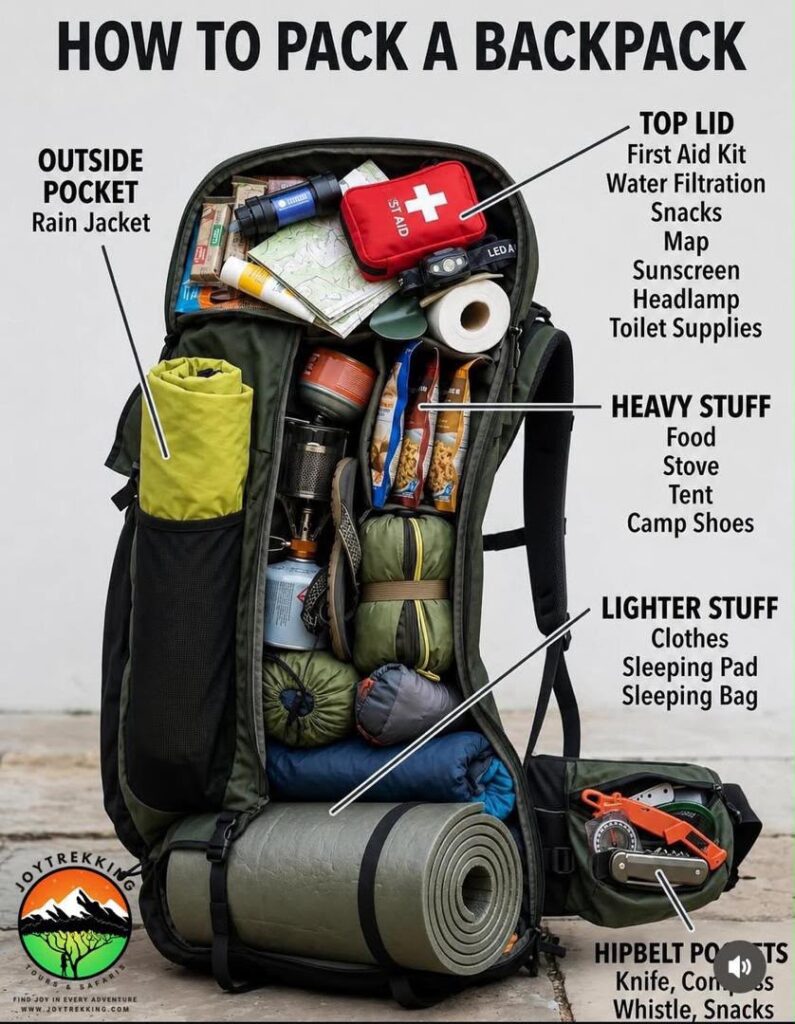
Items commonly discussed during preparation include:
- Comfortable, broken-in trekking footwear.
- Layers suitable for changing temperatures.
- Waterproof outer clothing.
- Warm clothing for cold and windy conditions.
- Sun protection.
- A suitable daypack and headlamp.
- Personal medication and any equipment recommended by your healthcare professional.
The exact list depends on the season, itinerary and equipment supplied by the operator.
4. Understand Altitude-Related Risks
At high altitude, some people develop altitude-related illness. Symptoms can occur even in individuals who are physically fit.
Follow your guide’s instructions, communicate how you are feeling and take any symptoms seriously. Do not conceal symptoms or pressure yourself to continue when you feel unwell. The guide should be informed promptly so that the situation can be assessed and appropriate action taken.
A suitable itinerary, gradual ascent and an established emergency plan are important considerations when comparing operators.
5. Review Travel Insurance
Before travelling, check that your insurance specifically covers high-altitude trekking to the planned elevation and any relevant evacuation or medical expenses. Policies differ, so confirm the exclusions and coverage limits directly with the insurer.
6. Allow Time for Travel and Recovery
Consider arriving in Tanzania with enough time for transfers, the pre-climb briefing and any planned hotel stay. Allow suitable time after the trek before scheduling flights or other demanding activities.
For detailed official guidance, use the Kilimanjaro National Park visitor guide.
What Happens During a Typical Kilimanjaro Trek?
The experience varies by route, but a supported trek generally involves several stages.
Before the Trek
Travellers arrive at the agreed meeting point, complete the planned transfers and receive a briefing covering the itinerary, equipment and mountain arrangements. The operator should explain how communication, health concerns and emergency procedures are handled.
During the Ascent
Each trekking day follows the planned route between designated stops or camps. The guide manages the day’s arrangements and provides information about the trail and the next stage.
Daily distances, walking time and elevation changes vary considerably. Ask for the actual itinerary instead of relying on a generic estimate.
At Mountain Camps
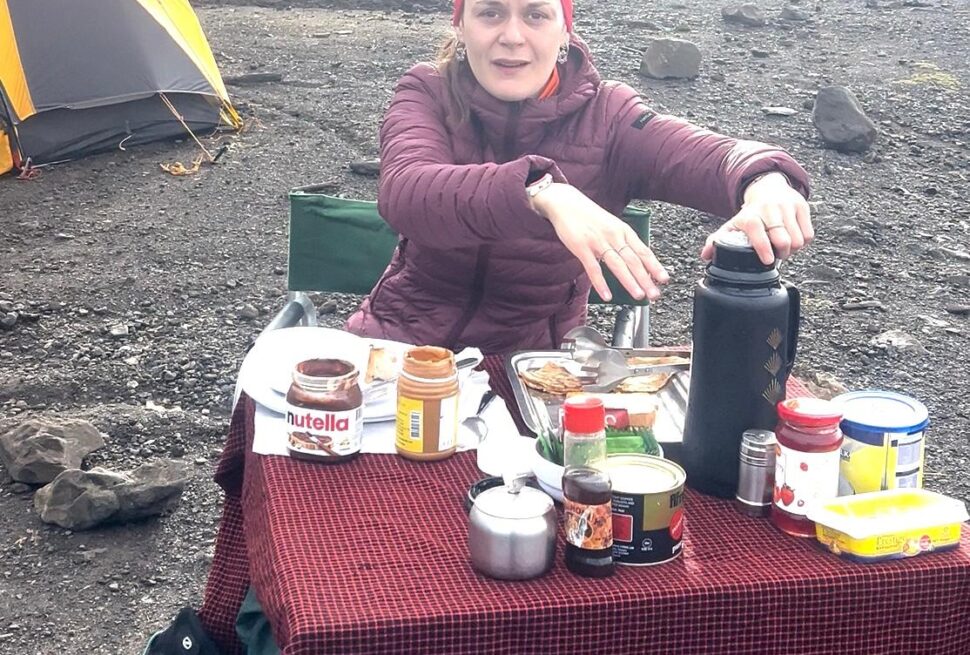
Depending on the route, trekkers may stay in tents or designated mountain huts. Rest, meals, hydration and preparation for the following day form part of the daily routine.
The Summit Attempt
The summit stage is physically demanding and takes place at high altitude, often under cold conditions. Reaching the summit cannot be guaranteed, and the guide’s assessment of safety must take priority over a predetermined goal.
Descent and Return
After the summit attempt, the group follows the planned descent and exits through the designated park gate. The operator should confirm the transport and accommodation arrangements for the end of the trek.
Why Professional Guidance Matters on Kilimanjaro
Kilimanjaro is managed as a national park, and climbs must follow park regulations and applicable guiding requirements. Visitors should use a properly licensed and authorised operator rather than attempting an independent climb.
When evaluating a tour operator, ask questions about the details that directly affect your trip.
Questions to Ask Before Booking
- Is the operator appropriately licensed and authorised for the climb?
- Who will lead the trek, and what are the team’s responsibilities?
- How many guides and support staff are assigned to the group?
- What is the planned response if a climber becomes unwell?
- What emergency communication and evacuation arrangements are in place?
- How are food, water, equipment and camp logistics managed?
- What is the daily route and acclimatisation plan?
- What is the policy if weather or health concerns prevent a summit attempt?
- Which services and fees are included in the quoted price?
A trustworthy operator should explain the arrangements clearly and encourage realistic expectations. Avoid making your decision solely on a claimed summit success rate or the lowest price.
Can You Combine Kilimanjaro with a Tanzania Safari?
Some travellers combine a Kilimanjaro trek with a wildlife safari or another Tanzania destination. This can be possible with careful scheduling, but it is important to allow adequate time for the mountain itinerary, recovery and transfers.
Depending on your interests and available days, a wider trip may include selected destinations such as Serengeti National Park, Ngorongoro Conservation Area or Tarangire National Park.
When planning a combined trip, consider:
- The total time required for the climb.
- Recovery time after trekking.
- Flight and road-transfer schedules.
- Seasonal conditions at your safari destinations.
- Your total budget and accommodation preferences.
Avoid building an itinerary with tight connections immediately after the trek. A tour operator can help assess whether the proposed schedule is realistic.
You can explore the safari options available through JoyTrekking Tours & Safaris at Tanzania Safari Tours.
Why Consider JoyTrekking Tours & Safaris?
Choosing a Kilimanjaro operator is an important decision because the quality of planning, communication and mountain logistics affects your overall experience.
JoyTrekking Tours & Safaris offers Kilimanjaro trekking options for travellers who want to compare routes and plan a Tanzania mountain adventure.
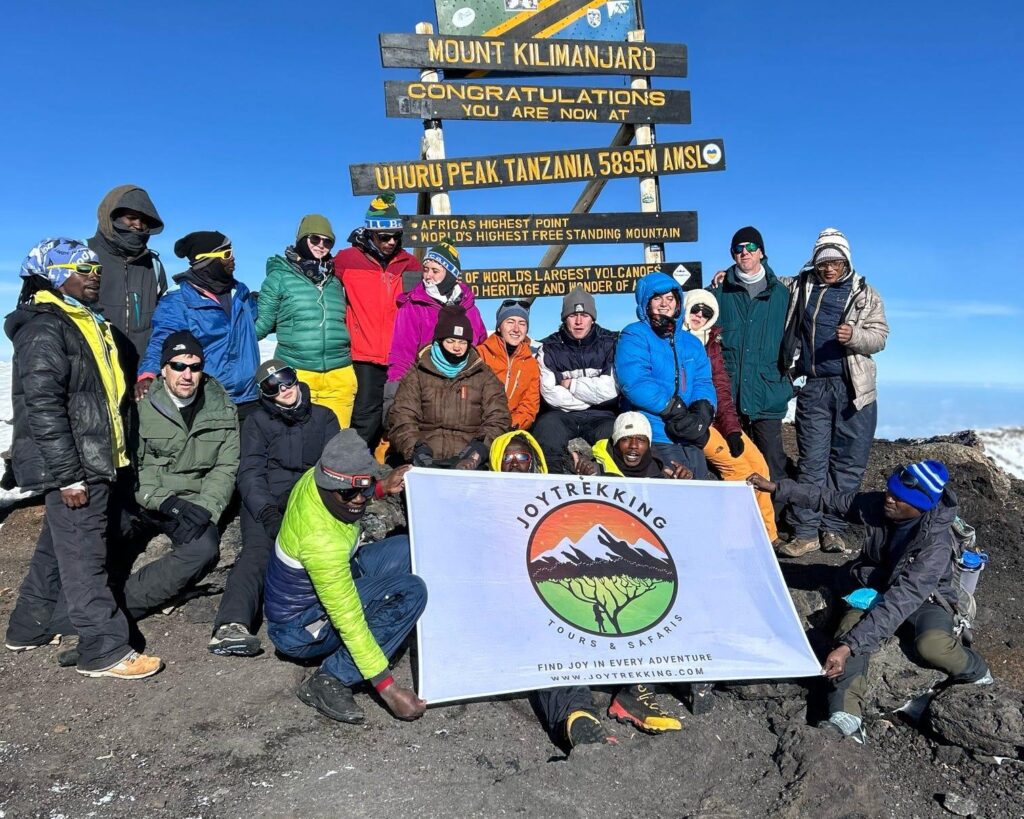
When discussing your plans with the team, share your preferred travel dates, route interests, group size, budget and any practical requirements. Ask for a detailed written itinerary and an explanation of the services included before making a decision.
A useful enquiry should help you understand:
- Which routes and durations are available for your dates.
- The full price and any additional costs.
- Accommodation and transport arrangements.
- The guiding and support-team structure.
- Safety procedures and emergency arrangements.
- Booking, payment and cancellation terms.
The aim is to help you make a well-informed decision based on your needs, the proposed itinerary and the arrangements provided.
Frequently Asked Questions About Mountain Climbing Kilimanjaro
How high is Mount Kilimanjaro?
Mount Kilimanjaro rises to 5,895 metres (19,341 feet) above sea level, making it the highest mountain in Africa. Its summit, Uhuru Peak, is located on Kibo.
How many days does it take to climb Kilimanjaro?
The duration depends on the route and itinerary. Many summit itineraries take approximately 5–9 days on the mountain, while some plans are longer. Compare the complete itinerary and acclimatisation schedule rather than choosing only by duration.
Which Kilimanjaro route should I choose?
There is no single best route for everyone. Consider the route profile, duration, accommodation, scenery, acclimatisation opportunities, personal circumstances and current conditions. Discuss the options with a qualified operator.
How much does climbing Kilimanjaro cost?
The cost depends on the route, number of days, group size, park fees, accommodation, guiding and support services, and other inclusions. Request a detailed quotation and compare what each package covers.
When is the best time to climb Kilimanjaro?
Many visitors consider January to early March and June to October because these periods can be relatively dry. Weather is variable at high altitude, so check current guidance and allow flexibility.
Do I need a guide to climb Kilimanjaro?
Kilimanjaro climbs must follow park regulations and use the required licensed guiding arrangements. Confirm that your operator is properly authorised and that the planned trek complies with current park rules.
Is climbing Kilimanjaro physically demanding?
Yes. It involves sustained walking, elevation gain and exposure to high altitude, cold and changing weather. Fitness does not eliminate altitude-related risks. Seek appropriate medical advice and choose an itinerary suited to your circumstances.
What should I pack for Kilimanjaro?
Packing requirements depend on the route, season and equipment provided. Discuss clothing, footwear, waterproof layers, cold-weather equipment, sun protection and personal medical needs with your operator before departure.
Is reaching Uhuru Peak guaranteed?
No. Summit success cannot be guaranteed. Weather, altitude-related illness, trail conditions and individual responses can affect whether someone can safely continue. Safety decisions should take priority over reaching the summit.
Can I combine Kilimanjaro with a safari?
Yes, it may be possible to combine a trek with a Tanzania safari, depending on your travel dates, budget and available time. Include adequate recovery time and confirm transfer schedules before booking.
Plan Your Kilimanjaro Itinerary with JoyTrekking Tours & Safaris
Mountain climbing Kilimanjaro requires thoughtful planning, realistic expectations and an understanding of the conditions involved. Comparing routes, reviewing the full cost, preparing appropriately and checking an operator’s safety arrangements will help you make a more informed travel decision.
If you are considering a Kilimanjaro trek in Tanzania, contact JoyTrekking Tours & Safaris to discuss the routes and itineraries available for your travel dates.
Request a written quotation that explains the route, duration, accommodation, guiding arrangements, inclusions, exclusions and booking conditions before confirming.