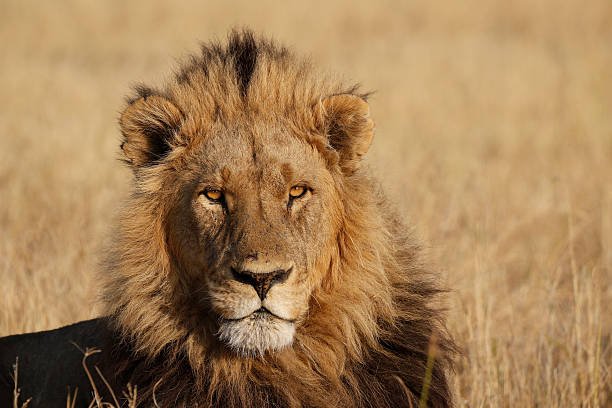
Planning Tanzania Big Five game drives? Discover where to see lions, leopards, elephants, buffalo and rhinos, the best safari areas, seasons and planning tips.
Introduction
Seeing Africa’s Big Five in the wild is one of the experiences that brings travellers to Tanzania from around the world.
Imagine driving across the open plains of the Serengeti as a pride of lions rests beneath the shade, watching elephants move through the savannah, searching the trees and rocky landscapes for a leopard, or quietly observing buffalo moving across the grasslands.
Then there is the possibility of encountering one of Africa’s most elusive animals—the black rhino.
A Tanzania Big Five safari is not simply about ticking five animals off a list. It is about experiencing wildlife in protected natural environments, understanding the ecosystems that support them and having an experienced guide help you interpret what you see.
TANAPA identifies the Big Five in Serengeti National Park as lion, leopard, elephant, buffalo and rhino, and the park offers game drives as one of its principal wildlife experiences.
If you are planning your first Tanzania safari, this guide explains where to look for the Big Five, when to travel, how game drives work and how to plan your journey with a trusted local safari operator.
What Are the Big Five in Tanzania?
The term Big Five refers to:
- African Lion
- African Leopard
- African Elephant
- African Buffalo
- Black Rhino
The name originally had a historical connection with big-game hunting, but today the term is widely used in wildlife tourism and photographic safaris.
In Tanzania, these animals live in different habitats and are not guaranteed to appear during every game drive.
That is an important point for international travellers.
A responsible safari operator should never promise that you will definitely see all five animals on a particular day.
Instead, your itinerary should give you opportunities to explore wildlife-rich areas with experienced guides who understand animal behaviour, habitats and seasonal movements.
Where Can You See the Big Five in Tanzania?
Tanzania has several destinations where travellers can look for Big Five wildlife.
For visitors travelling through the Northern Tanzania safari circuit, three particularly important destinations are:
The Tanzania Tourist Board highlights Tarangire, Ngorongoro and Serengeti as key destinations within Tanzania’s northern safari circuit.
Each destination offers a different safari experience.
1. Serengeti National Park
A Classic Destination for Tanzania Big Five Game Drives
For many international travellers, Serengeti National Park is the destination that immediately comes to mind when they think about a Tanzania safari.
The park is famous for its enormous plains, wildlife diversity and the annual Great Migration.
TANAPA confirms that Serengeti is home to the Big Five and describes game drives as one of the park’s key wildlife experiences.
What can you see?
Depending on the area and season, travellers may encounter:
- Lions
- Leopards
- Elephants
- Buffalo
- Rhinos
- Cheetahs
- Hyenas
- Giraffes
- Zebras
- Wildebeest
- Gazelles
- Hippos
- Crocodiles
- Numerous bird species
Serengeti is also part of the ecosystem supporting the Great Migration, when enormous herds of wildebeest, zebras and other grazing animals move through the landscape.
Why include Serengeti?
A Serengeti game drive combines:
Big Five wildlife + open plains + predators + migration + spectacular landscapes.
For travellers flying internationally to Tanzania, it can form the centrepiece of a longer Northern Circuit safari.
2. Ngorongoro Conservation Area
Wildlife in a Remarkable Crater Landscape
The Ngorongoro Conservation Area offers a very different experience from the open plains of the Serengeti.
The Ngorongoro Crater provides a dramatic natural setting where visitors can experience wildlife viewing within a relatively compact landscape.
For travellers interested in the Big Five, Ngorongoro can be an important part of a Northern Tanzania itinerary.
The Tanzania Tourist Board includes Ngorongoro among the signature destinations of the Northern Tanzania safari circuit.
Wildlife you may encounter includes:
- Lions
- Elephants
- Buffalo
- Rhinos
- Leopards in suitable habitats
- Hippos
- Zebras
- Wildebeest
- Gazelles
- Hyenas
- Flamingos and other birds
The possibility of seeing a black rhino makes the area particularly interesting for travellers hoping to experience one of the more elusive members of the Big Five.
However, wildlife sightings remain natural events.
A responsible safari guide will explain what is actually happening rather than promising a guaranteed sighting.
3. Tarangire National Park
Famous for Elephants and Baobab Landscapes
Tarangire provides a different atmosphere from Serengeti and Ngorongoro.
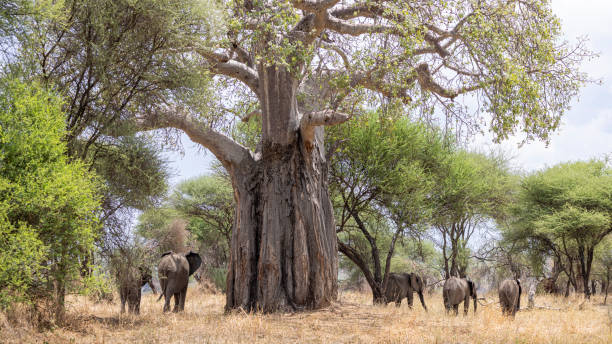
The park is especially known for its large elephant herds and iconic baobab landscapes.
TANAPA describes Tarangire as being particularly famous for elephants and notes that wildlife can become concentrated around the Tarangire River during the dry season.
A game drive here can offer opportunities to see:
- Elephants
- Lions
- Buffalo
- Leopards
- Zebras
- Wildebeest
- Giraffes
- Antelopes
- Numerous bird species
Tarangire is especially valuable as part of a multi-park safari rather than viewing it simply as a place to tick off one animal.
The combination of wildlife, giant baobabs and open savannah creates a distinctive photographic landscape.
The Big Five: What Can You Expect to See?
1. Lions
The African lion is one of the most sought-after animals on a Tanzania safari.
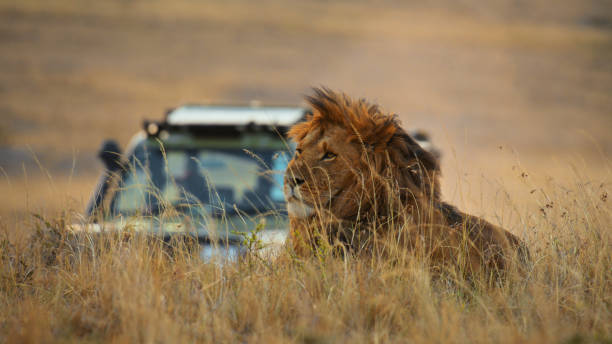
Serengeti’s open plains provide excellent habitat for lions, and travellers may encounter prides resting, moving through the grasslands or actively observing nearby prey.
Lions can be easier to locate than some of the more elusive Big Five species, but sightings still depend on location, season and daily wildlife movements.
2. Leopards
The leopard is often one of the most exciting animals to search for during a game drive.
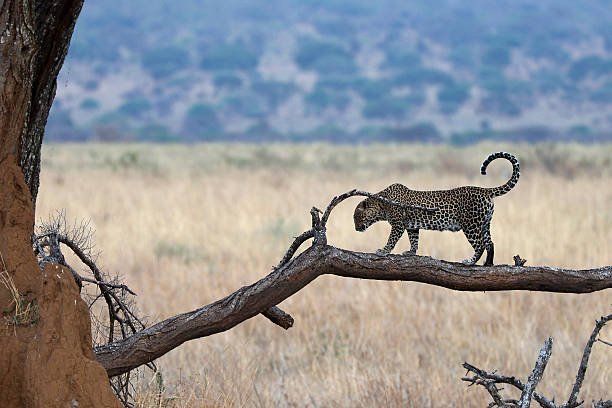
Unlike lions, leopards are generally more solitary and can be difficult to spot.
They may rest in trees, among vegetation or in areas where their camouflage makes them surprisingly difficult to see.
This is where the experience of a local guide becomes particularly valuable.
A guide familiar with the landscape may recognize subtle signs or likely habitats that an inexperienced visitor could easily overlook.
3. Elephants
Elephants are among the most impressive animals to encounter during a Tanzania safari.
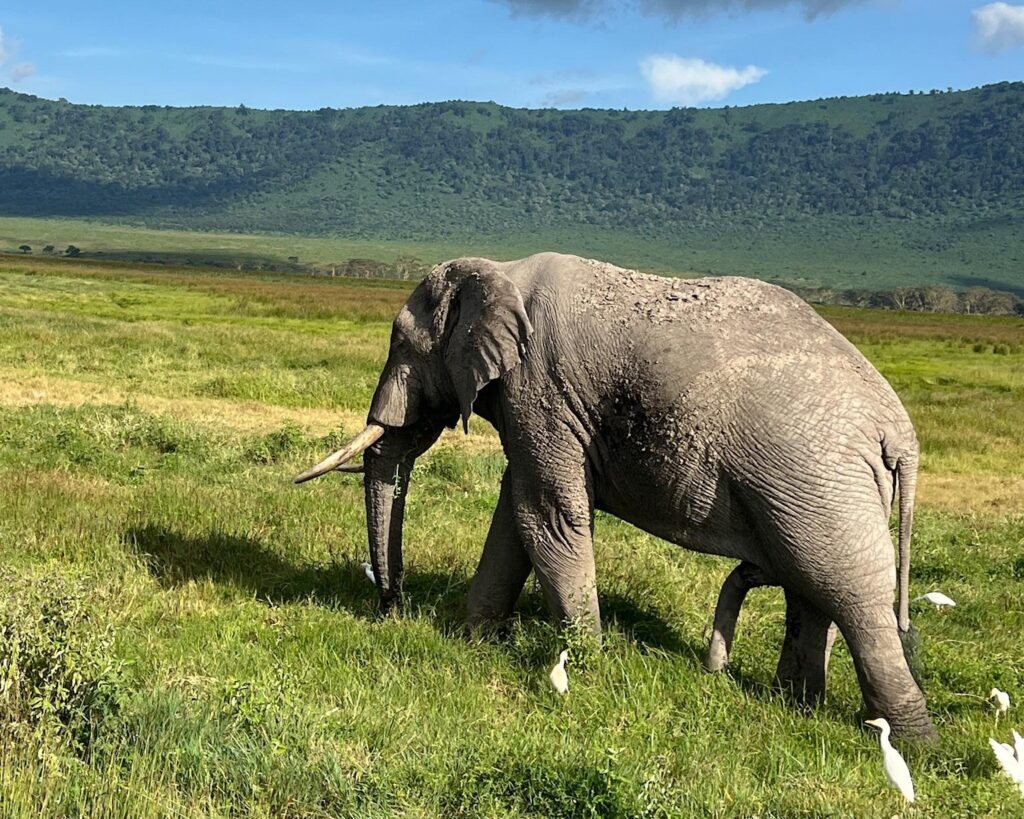
Their size, social behaviour and interaction with the landscape make them fascinating subjects for wildlife photography.
Tarangire is particularly associated with elephants, while Serengeti also supports elephant populations. TANAPA describes Tarangire as famous for its elephant herds and baobab-dotted landscapes.
4. African Buffalo
Buffalo are another important member of the Big Five.
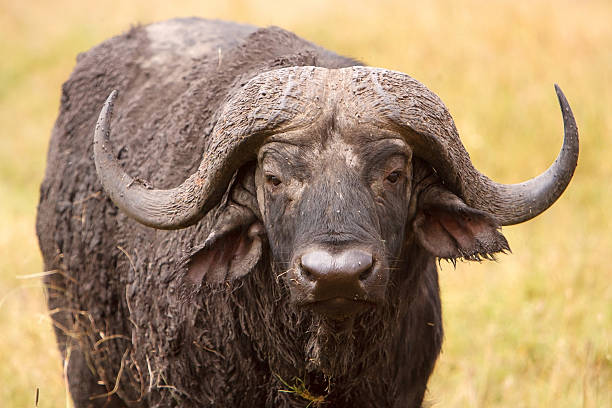
They often move in groups and can be encountered in grasslands, woodland and areas close to water.
Their dark appearance and powerful build make them unmistakable once you get a good view.
Buffalo are also part of the wider ecosystem that supports Tanzania’s predators.
5. Black Rhino
The black rhino is often one of the most difficult Big Five animals to encounter.
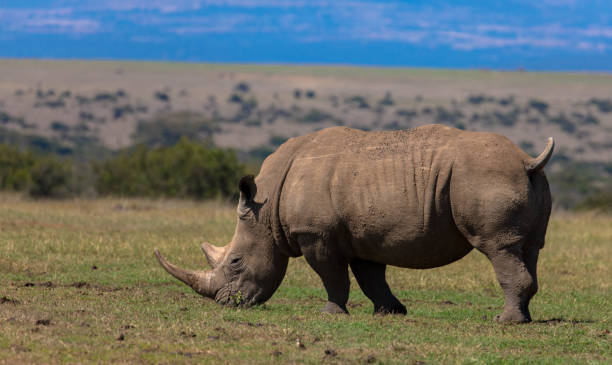
Rhinos are far less numerous than many other large safari animals, and their conservation status means sightings should be treated as a privilege rather than an expectation.
TANAPA identifies black rhino among Tanzania’s important wildlife species and highlights Serengeti as a place where rhinos can be encountered.
If seeing rhino is particularly important to you, tell your safari operator before the itinerary is finalized so they can plan the appropriate destinations and timing.
Best Time for Tanzania Big Five Game Drives
There is no single month that guarantees the Big Five.
Wild animals move according to food, water, weather, breeding patterns and other natural factors.
However, dry-season conditions can make wildlife easier to locate in some areas, particularly around remaining water sources.
TANAPA currently highlights June to October as a key dry-season period for Serengeti wildlife and identifies January to February as the calving season.
A simple planning guide
| Period | What to Expect |
|---|---|
| January–February | Green landscapes and calving season in parts of the Serengeti ecosystem |
| March–May | Green season, fewer travellers in some areas and changing wildlife patterns |
| June–July | Dry conditions and strong wildlife opportunities; migration moves through different areas |
| August–October | Dry-season wildlife viewing and potential northern Serengeti migration experiences |
| November–December | Short rains in many areas and changing migration patterns |
These are broad seasonal patterns, not guarantees.
The exact location of wildlife can change from year to year.
How Does a Big Five Game Drive Work?
A typical game drive begins early in the morning when temperatures are cooler and many animals are active.
You travel in a safari vehicle accompanied by a professional guide.
During the drive, your guide may:
- Search for wildlife
- Explain animal behaviour
- Identify tracks and signs
- Explain the surrounding ecosystem
- Communicate with other guides about wildlife locations
- Help position the vehicle safely for viewing
- Explain photography opportunities
- Ensure visitors follow park regulations
TANAPA emphasizes the role of knowledgeable guides in enhancing wildlife encounters and helping visitors understand animals and ecosystems.
This is one reason the quality of your guide can make a significant difference to the overall safari experience.
Morning vs Afternoon Game Drives
Morning Game Drive
Early morning drives can be excellent for wildlife viewing because temperatures are generally cooler and many animals are active.
You may see predators returning from nighttime activity, herbivores feeding and birds becoming active across the landscape.
Afternoon Game Drive
Afternoon drives allow you to explore the park as temperatures begin to change and wildlife activity can increase again later in the day.
The late afternoon light can also create excellent conditions for photography.
Full-Day Game Drive
A full-day game drive gives you more time to explore different areas of a park.
This can be particularly useful in large ecosystems such as Serengeti, where wildlife may be spread across considerable distances.
How Many Days Do You Need for a Big Five Safari in Tanzania?
For an international traveller, I would generally recommend allowing enough time to visit more than one wildlife destination rather than trying to complete the entire safari in a single day.
A 3-day safari can work for travellers with limited time.
A 5-day safari gives you more flexibility.
A 6–8 day Northern Tanzania safari can provide a more comprehensive experience, particularly if you want to combine destinations such as:
Tarangire -> Ngorongoro -> Serengeti
Your ideal duration depends on:
- Arrival airport
- Budget
- Travel dates
- Wildlife interests
- Accommodation style
- Whether you want the Great Migration
- Whether you plan to visit Zanzibar afterwards
Sample 5-Day Tanzania Big Five Safari
Here is an example of how a traveller could structure a Northern Tanzania safari.
Day 1 — Tarangire National Park
Arrive in the safari region and begin your first game drive among elephants, baobabs and open savannah.
Overnight: Tarangire area
Day 2 — Tarangire to Ngorongoro
Enjoy a morning wildlife experience before travelling toward the Ngorongoro area.
Overnight: Karatu / Ngorongoro area
Day 3 — Ngorongoro Crater
Descend into the crater for a full wildlife experience before continuing toward the Serengeti.
Overnight: Serengeti
Day 4 — Serengeti Full-Day Game Drive
Spend the day exploring the Serengeti with opportunities to search for predators, elephants, buffalo, rhinos and other wildlife.
Overnight: Serengeti
Day 5 — Serengeti Game Drive & Departure
Enjoy another wildlife drive before continuing to your departure point or onward destination.
This itinerary can be adjusted according to your arrival and departure flights.
How Much Does a Tanzania Big Five Safari Cost?
There is no single price for a Big Five safari.
Your final cost depends on several factors:
Safari Duration
A 3-day safari naturally requires a different budget from a 7-day expedition.
Accommodation
You can choose between different accommodation levels, including:
- Budget camping
- Mid-range lodges and tented camps
- Luxury lodges and luxury tented camps
Number of Travellers
The cost per person can change depending on whether you are:
- Travelling solo
- A couple
- A family
- A private group
- Joining a group safari
Parks Included
A safari visiting Tarangire, Ngorongoro and Serengeti has different operational costs from a shorter itinerary.
Travel Season
Accommodation availability and pricing can vary according to season.
Transport
Most Northern Tanzania safaris use specially equipped safari vehicles, with private arrangements offering a different cost structure from shared options.
For an accurate quotation, it is better to provide your travel dates and group size rather than rely on a generic online price.
Why a Cheap Big Five Safari May Not Tell the Whole Story
When comparing Tanzania safari prices, do not look only at the number on the screen.
Ask what the price includes.
A professional quotation should clearly explain:
- Number of safari days
- Parks included
- Accommodation
- Meals
- Safari vehicle
- Professional guide
- Park and conservation fees
- Airport transfers
- Accommodation before or after safari
- Exclusions
- Payment terms
- Cancellation conditions
TANAPA publishes official park tariffs, so park entry and related fees form part of the real cost of operating a safari.
A transparent quotation makes it easier for an international traveller to understand what they are actually purchasing.
Can You Combine a Big Five Safari With Kilimanjaro?
Yes.
For many international travellers, combining Kilimanjaro + Big Five safari creates a complete Northern Tanzania adventure.
For example:
Days 1–8: Kilimanjaro trekking
Days 9–13: Big Five safari
Days 14–17: Zanzibar
Day 18: Departure
Another traveller might choose:
Kilimanjaro -> Safari -> Zanzibar
while someone with less time might choose:
Safari -> Zanzibar
The itinerary should be designed around your flight schedule, budget and interests.
Can You Combine a Big Five Safari With Zanzibar?
Absolutely.
This is one of the most popular ways to finish a Tanzania holiday.
After several days of wildlife viewing, you can continue to Zanzibar for:
This creates a simple combination:
Wildlife -> Adventure -> Beach
For international travellers flying a long distance to Tanzania, combining several experiences can make better use of the overall journey.
Why Choose a Local Tanzania Safari Company?
Planning a safari from another country can be difficult.
Online, you may see hundreds of companies offering similar itineraries.
The important question is not simply:
“Who has the cheapest safari?”
Instead, ask:
“Who will actually be responsible for my experience in Tanzania?”
A local operator can provide direct support with:
- Airport pickup
- Safari planning
- Accommodation
- Park logistics
- Vehicle arrangements
- Professional guides
- Changes during the trip
- Safari extensions
- Kilimanjaro combinations
- Zanzibar arrangements
At JoyTrekking Tours & Safaris, our role is to help you plan the journey before you arrive—not simply sell you a list of destinations.
We want you to understand where you are going, why each destination is included and what your safari budget covers.
Why Travel With JoyTrekking Tours & Safaris?
Your safari should feel personal, organized and transparent.
With JoyTrekking Tours & Safaris, we can help you build an itinerary around what matters most to you.
Whether your priority is:
The Big Five
The Great Migration
Elephants and baobabs
Predators
Photography
Family wildlife experiences
Kilimanjaro + Safari
Safari + Zanzibar
we can build the itinerary around your priorities.
Most importantly, wildlife sightings cannot be controlled.
We will not promise you a lion, leopard or rhino simply because you have paid for a safari.
Instead, we focus on choosing suitable destinations, planning realistic routes and providing experienced local support so you have the best possible opportunity to experience Tanzania’s wildlife naturally.
Responsible Wildlife Viewing in Tanzania
A safari is a privilege.
The animals are wild, and their wellbeing comes before getting the perfect photograph.
During your game drives:
- Follow your guide’s instructions.
- Maintain a safe distance from wildlife.
- Do not feed animals.
- Avoid shouting or disturbing wildlife.
- Do not pressure your driver to chase animals.
- Follow park regulations.
- Keep the vehicle in designated areas where required.
- Respect other visitors and the natural environment.
TANAPA emphasizes conservation, responsible tourism and protection of Tanzania’s wildlife ecosystems.
A great safari is not measured only by how many animals you photograph.
It is also about experiencing the ecosystem responsibly.
Frequently Asked Questions
What are the Big Five in Tanzania?
The Big Five are lion, leopard, elephant, buffalo and rhino.
TANAPA specifically identifies these five species as the Big Five found in Serengeti National Park.
Where is the best place to see the Big Five in Tanzania?
Serengeti and the Ngorongoro area are important destinations for travellers searching for Big Five wildlife, while Tarangire adds excellent elephant and general wildlife viewing opportunities.
The right destination depends on your travel dates and safari priorities.
Can I see all the Big Five in one day?
It is possible to encounter several Big Five species during a single day, but there is no guarantee that you will see all five.
Wildlife sightings depend on natural animal movements.
What is the best month for a Big Five safari?
There is no single best month for every traveller.
June to October is generally a strong dry-season period for wildlife viewing in many parts of northern Tanzania, while January and February offer important calving-season experiences in the Serengeti ecosystem.
How many days should I spend on a Big Five safari?
For a first Northern Tanzania safari, 4–7 days can provide a useful balance between wildlife viewing and travel time.
Longer itineraries allow you to explore more destinations at a slower pace.
Is Serengeti good for Big Five game drives?
Yes. TANAPA identifies Serengeti as home to lions, leopards, elephants, buffaloes and rhinos and lists game drives among its wildlife experiences.
Is Tarangire worth adding to a Big Five safari?
Tarangire can add a different wildlife experience, particularly because of its elephant herds and baobab landscapes.
Can I combine my safari with Kilimanjaro?
Yes. Kilimanjaro can be combined with a Northern Tanzania safari and, if your schedule allows, Zanzibar.
Tanzania Big Five Safari: Quick Planning Guide
| Experience | Recommended Destination |
|---|---|
| Big Five & predators | Serengeti |
| Great Migration | Serengeti ecosystem |
| Rhino experience | Ngorongoro / Serengeti areas |
| Large elephant herds | Tarangire |
| Baobab landscapes | Tarangire |
| Crater wildlife experience | Ngorongoro |
| Big Five + Migration | Serengeti |
| Safari + beach | Northern Circuit + Zanzibar |
| Safari + mountain | Northern Circuit + Kilimanjaro |
The destinations are complementary rather than interchangeable. Your itinerary should depend on your travel dates, wildlife interests and available time.
Plan Your Tanzania Big Five Game Drive
A Big Five safari is more than a checklist.
It is the sound of the vehicle moving through the morning landscape.
It is seeing an elephant emerge from the woodland.
It is searching the branches for a leopard.
It is watching a pride of lions resting on the plains.
It is the unexpected moment when your guide suddenly slows down because something is moving in the distance.
And sometimes, the most memorable wildlife encounter is the one you never expected.
At JoyTrekking Tours & Safaris, we help international travellers plan realistic Tanzania safari itineraries based on their interests, travel dates, group size and budget.
READY TO EXPERIENCE TANZANIA’S BIG FIVE?
Tell us your travel dates, number of travellers and the wildlife experiences you want most. Our team will help you build a personalized Tanzania safari itinerary.