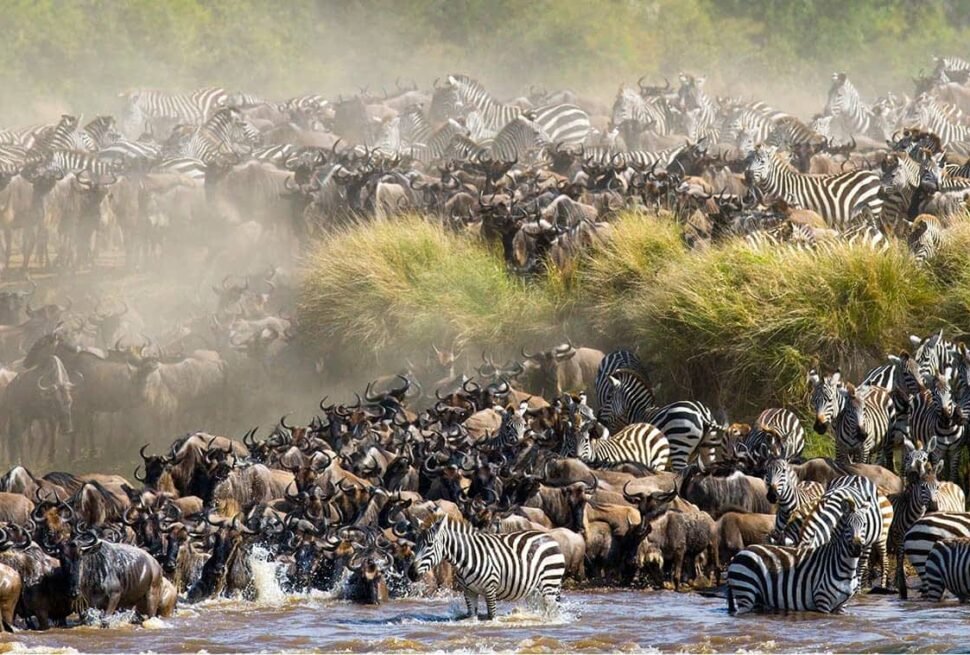
Compare Tanzania vs Kenya safari cost with real 2026 pricing, package examples, and expert insights. Discover which destination offers better value for Serengeti, Ngorongoro, Maasai Mara, and more.
Average Safari Costs:
Kenya Safari: $180 – $900 per person per day
Tanzania Safari: $200 – $1,500+ per person per day
Tanzania vs Kenya Safari Cost (2026 Complete Guide)
Choosing between Tanzania and Kenya is one of the biggest decisions travelers face when planning an East African safari. Both destinations offer world-famous wildlife experiences, including the Great Migration, Big Five sightings, and breathtaking landscapes.
However, when it comes to Tanzania vs Kenya safari cost, there are important differences in pricing, value, itinerary style, and overall experience. This guide breaks down real costs using actual safari packages, helping you decide which destination fits your budget and travel goals.
Quick Answer – Which Is Cheaper, Tanzania or Kenya?
In general:
Kenya safaris are usually slightly cheaper for short trips (2–4 days)
Tanzania safaris are more expensive but offer more exclusive wildlife experiences
Long safaris (5–10 days) become similar in cost, depending on accommodation level
Average Safari Costs:
Kenya Safari: $180 – $900 per person per day
Tanzania Safari: $200 – $1,500+ per person per day
Tanzania tends to cost more because of:
Larger national parks
Longer travel distances
Higher park fees (especially Serengeti & Ngorongoro)
Overview of Safari Costs in East Africa
Safari pricing depends on:
What influences safari prices?
Accommodation type (budget camping vs luxury lodges)
Park entry fees
Number of travelers (solo vs group)
Safari duration
Season (low vs high vs migration season)
Transport type (4×4 private jeep vs shared)
Budget categories:
Budget Safari: $150–$300/day
Mid-range Safari: $300–$700/day
Luxury Safari: $700–$1,500+/day
Tanzania Safari Cost Breakdown (Real Packages)
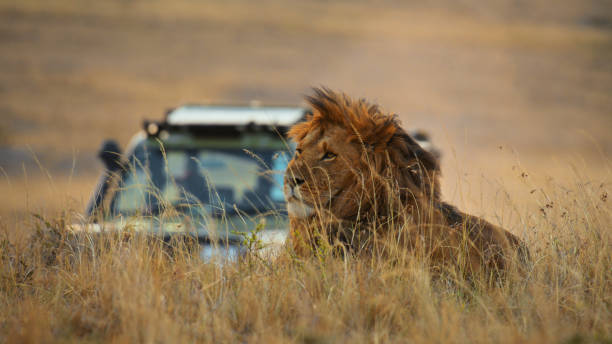
A safari jeep entering Serengeti National Park, representing real operational safari costs and travel experience used when analyzing Tanzania Safari Cost vs Kenya Safari Cost for budget and mid-range safari planning.
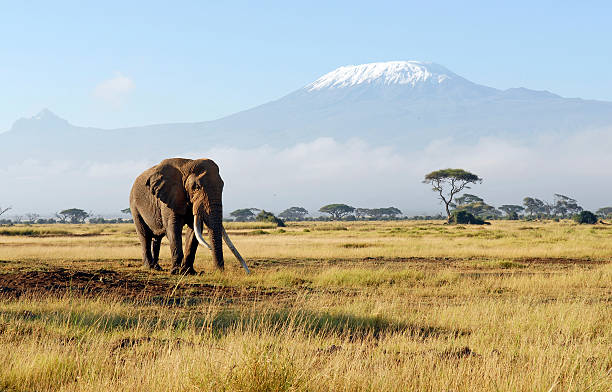
A lone African elephant in Amboseli National Park with Mount Kilimanjaro in the background, illustrating the iconic wildlife scenery travelers consider when comparing Tanzania Safari Cost vs Kenya Safari Cost for an East Africa safari vacation.
Kenya is famous for its iconic safari destinations such as Maasai Mara National Reserve, Amboseli National Park, and Lake Nakuru National Park.
Typical Kenya Safari Costs:
Budget Kenya Safari:
$150 – $300 per day
Group safaris common
Camping or basic lodges
Mid-range Kenya Safari:
$300 – $600 per day
Comfortable lodges
Shared or private jeep
Luxury Kenya Safari:
$700 – $1,200+ per day
High-end lodges in Masai Mara
Premium services and exclusive wildlife access
Why Kenya Often Appears Cheaper
Shorter driving distances between parks
More budget group safaris available
Slightly lower park fees in some areas
However, peak-season Masai Mara safaris can become very expensive, especially during the Great Migration.
Tanzania vs Kenya Safari Cost Comparison Table
Factor
Tanzania
Kenya
Average Daily Cost
$200–$1,500+
$150–$1,200
Best Budget Options
Moderate availability
Strong availability
Luxury Safari Options
Very high-end
High-end
Park Fees
Higher (Serengeti, Ngorongoro)
Moderate
Wildlife Density
Extremely high
Very high
Migration Experience
Serengeti Migration
Maasai Mara Migration
Crowds
Less crowded
More crowded
Which Offers Better Value for Money?
Tanzania Advantages:
More exclusive wildlife experience
Larger protected ecosystems
Better long-duration safari routes
Iconic landscapes (Serengeti + Ngorongoro combo)
Kenya Advantages:
More affordable short safaris
Easier logistics for quick trips
Better for budget travelers
Strong lodge network
Final Verdict:
Choose Tanzania for premium, immersive safari experiences
Choose Kenya for budget-friendly, shorter safaris
Hidden Costs Travelers Often Forget
Many travelers underestimate additional costs:
International flights
Visa fees (Kenya & Tanzania)
Travel insurance
Tips for guides ($10–$20/day)
Balloon safaris ($450–$600 optional)
Alcohol & personal expenses
Airport transfers
Best Time to Get Cheaper Safari Prices
Low Season (Best Deals):
March – May
November
High Season:
June – October (peak wildlife viewing)
December – February
Tanzania is especially expensive during the Great Migration in Serengeti National Park.
Expert Recommendations
If it’s your first safari ? Choose Tanzania (Serengeti + Ngorongoro)
If budget is tight ? Choose Kenya (Masai Mara focus)
If you want both ? Combine Kenya & Tanzania for full migration experience
Frequently Asked Questions
Is Tanzania more expensive than Kenya for safari?
Yes, Tanzania is generally more expensive due to higher park fees and longer safari routes.
Which is better for first-time safari travelers?
Tanzania is better for iconic landscapes, while Kenya is better for budget-friendly trips.
How much does a 5-day safari cost in Tanzania?
Between $1,780 and $2,350 depending on itinerary.
What is the cheapest safari option in Tanzania?
Day trips starting from $230 in Tarangire National Park.
Is the Great Migration better in Kenya or Tanzania?
Both are excellent, but Tanzania’s Serengeti offers a longer migration season.
Can I combine Kenya and Tanzania in one trip?
Yes, cross-border safari itineraries are possible with proper planning.
What is the best time to visit East Africa for safari?
June to October is the best wildlife viewing season.
Are safaris in East Africa worth the cost?
Yes, they offer some of the best wildlife experiences in the world.
Customers Experience
Ryan Day2024.10.13
Amazing company defiantly would recommend to anyone not sure about who to go with.
Book Your East Africa Safari
Ready to experience the best of Africa’s wildlife?
Whether you choose Tanzania or Kenya, we can help you design a safari that fits your budget, travel style, and dream itinerary.
This article was written by a Tourism & Wildlife Safari Content Specialist with experience in East African safari planning and itinerary design focused on Tanzania and Kenya safari destinations.
The author’s expertise is grounded in wildlife tourism education and conservation-based training principles aligned with the standards of the College of African Wildlife Management (CAWM), Mweka, one of Africa’s leading institutions for wildlife and tourism management training.
The College of African Wildlife Management, commonly known as Mweka College, is a government-recognized centre of excellence located in Kilimanjaro, Tanzania. Established in 1963, the institution has trained thousands of wildlife professionals from across Africa and beyond, specializing in wildlife conservation, park management, and tourism operations.
With this foundation, the author develops content that is not only SEO-optimized but also aligned with real-world safari operations, park systems, and conservation-based tourism practices used in Tanzania’s Northern Safari Circuit, including Serengeti, Ngorongoro, Tarangire, and Lake Manyara.
The goal is to help travelers make informed decisions based on accurate pricing, real itineraries, and authentic destination knowledge.