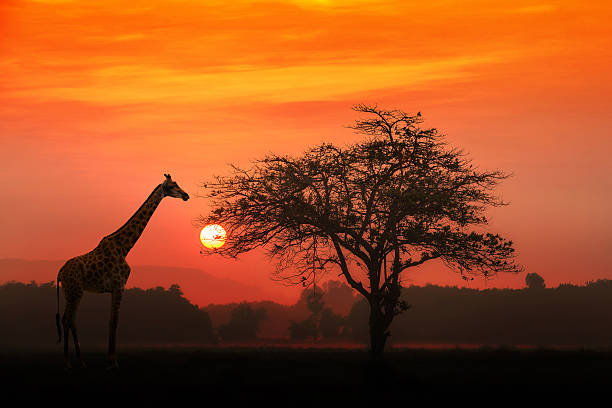
Planning a Wildlife Photography Safari Tanzania? Discover the best national parks, photography seasons, camera tips, wildlife hotspots, and recommended safari packages for capturing unforgettable wildlife images in Tanzania.
A wildlife photography safari is a specialized safari experience designed to maximize opportunities for photographing wildlife in natural habitats.
Wildlife Photography Safari Tanzania: The Ultimate Guide for Photographers
Why Tanzania is One of the World’s Best Wildlife Photography Destinations
A Wildlife Photography Safari Tanzania offers photographers a rare opportunity to capture some of the most iconic wildlife scenes on Earth. From massive elephant herds roaming ancient baobab landscapes to dramatic predator hunts across the endless plains of the Serengeti, Tanzania provides extraordinary photographic opportunities throughout the year.
Tanzania is home to some of Africa’s most celebrated wildlife destinations, including Serengeti National Park, Ngorongoro Conservation Area, Tarangire National Park, and Lake Manyara National Park. Together, these destinations support one of the highest concentrations of wildlife found anywhere in the world.
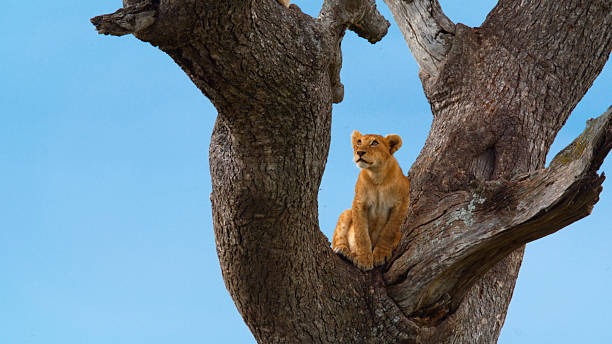
The country’s diverse ecosystems create an incredible variety of photographic subjects. Wildlife photographers can capture lions resting on kopjes, leopards hidden in acacia trees, cheetahs scanning open grasslands, elephants crossing rivers, and thousands of wildebeest participating in the world-famous Great Migration.
According to the Tanzania National Parks Authority (TANAPA), Tanzania protects millions of hectares of wildlife habitat, making it one of Africa’s premier safari destinations for both amateur and professional photographers.
What is a Wildlife Photography Safari in Tanzania?
A wildlife photography safari is a specialized safari experience designed to maximize opportunities for photographing wildlife in natural habitats.
Unlike standard sightseeing safaris, photography-focused safaris prioritize:
- Early morning game drives
- Extended wildlife viewing sessions
- Strategic positioning for ideal lighting
- Access to prime wildlife locations
- Flexible schedules based on wildlife activity
- Smaller groups for better photography angles
The goal is not simply to see wildlife but to create compelling photographs that tell a story about Africa’s natural beauty.
Whether you are using a professional DSLR camera, mirrorless system, or advanced smartphone camera, Tanzania offers exceptional conditions for wildlife photography.
Best National Parks for Wildlife Photography in Tanzania
Serengeti National Park
Serengeti is arguably the most famous wildlife photography destination in Africa.
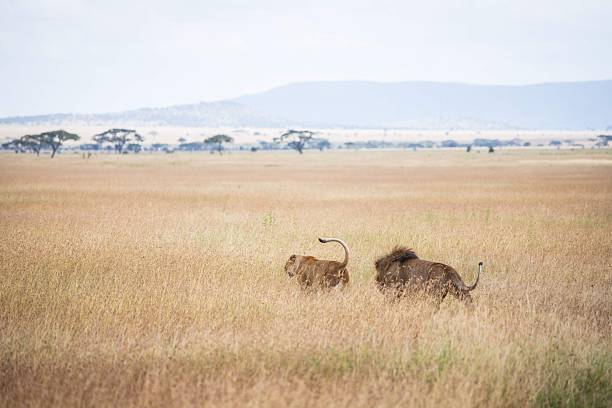
The endless plains provide clean backgrounds and unobstructed views, allowing photographers to capture dramatic images of predators and prey. The park is particularly renowned for:
- Lions
- Leopards
- Cheetahs
- Hyenas
- Wildebeest
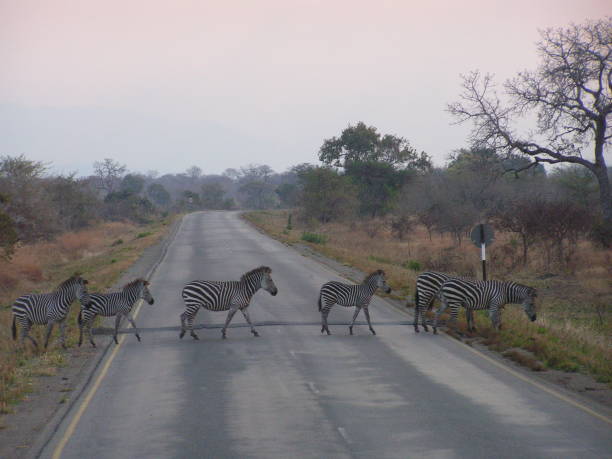
- Zebras
- Giraffes
- Elephants
The Great Migration attracts photographers from around the globe. River crossings, predator interactions, and massive wildlife herds create extraordinary photography opportunities.
Photographers seeking iconic African wildlife images often consider Serengeti the ultimate destination.
Ngorongoro Conservation Area
Ngorongoro Crater offers one of the highest wildlife densities in Africa.
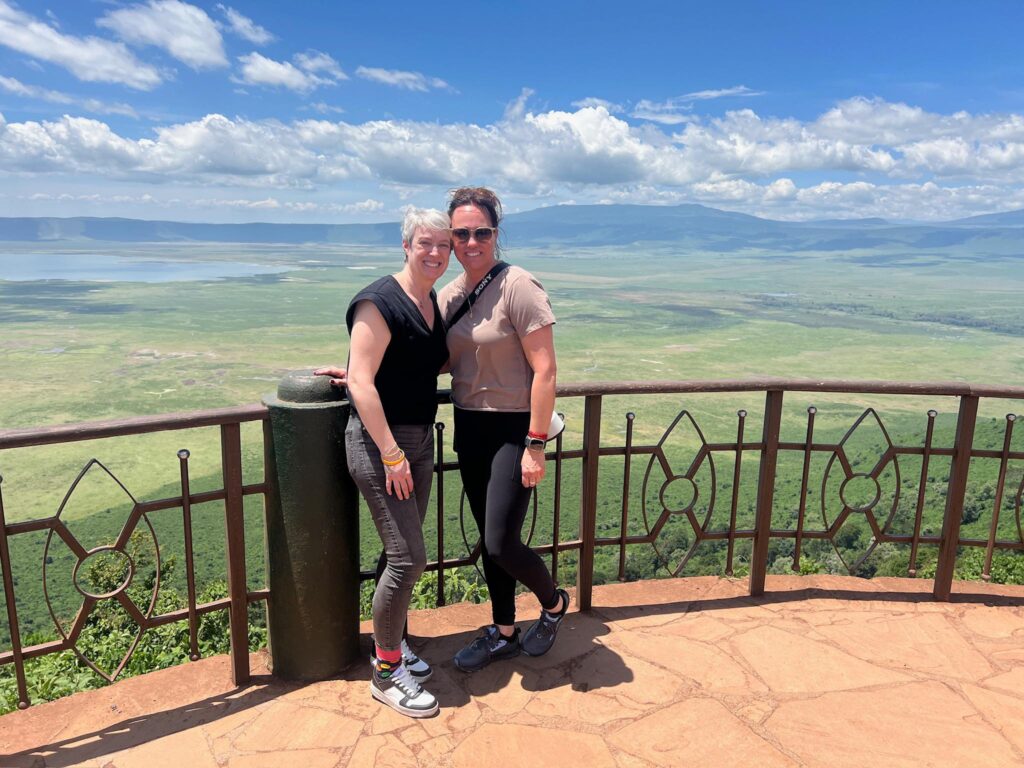
The crater floor acts as a natural wildlife sanctuary where animals remain year-round. This concentration allows photographers to capture multiple species within a relatively small area.
Photographic highlights include:
- Black rhinos
- Lions
- Buffalo
- Hippos
- Flamingos
- Jackals
Because wildlife is abundant and landscapes are breathtaking, Ngorongoro is considered a must-visit destination for photography safaris.
Tarangire National Park
Tarangire is famous for its giant baobab trees and enormous elephant populations.
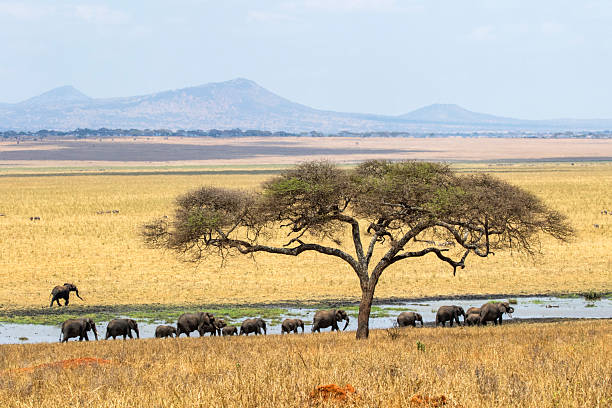
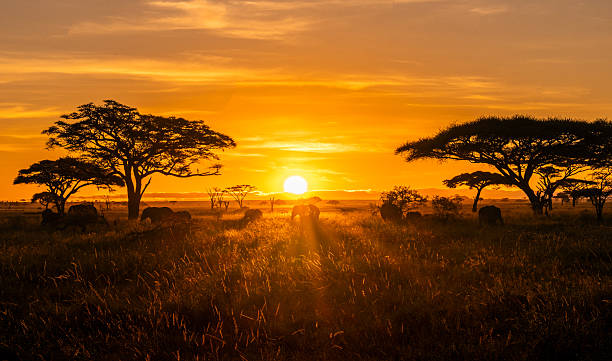
Photographers often visit Tarangire to capture unique compositions featuring wildlife against dramatic baobab silhouettes.
The park is especially rewarding for:
- Elephant photography
- Bird photography
- Sunset landscapes
- Seasonal wildlife concentrations
During the dry season, large numbers of animals gather near the Tarangire River, creating excellent wildlife photography opportunities.
Lake Manyara National Park
Lake Manyara offers a completely different photographic environment.
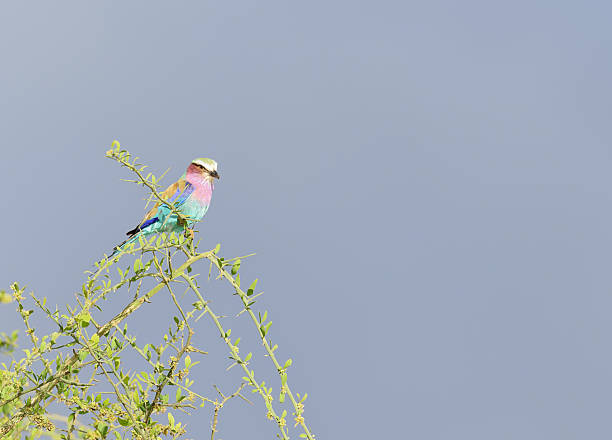
Dense forests, groundwater springs, and alkaline lakes attract a variety of wildlife and birdlife.
Photographers frequently capture:
- Tree-climbing lions
- Flamingos
- Baboons
- Hippos
- Pelicans
- Elephants
The park’s diverse habitats make it ideal for photographers seeking variety in their portfolios.
Arusha National Park
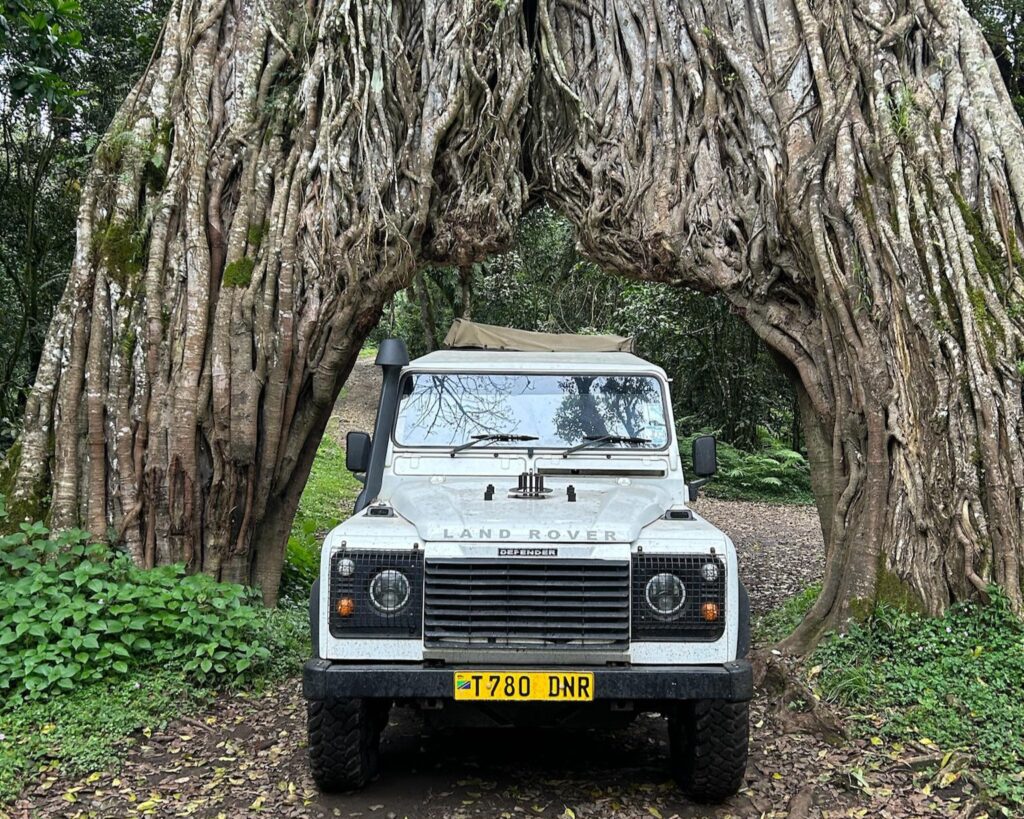
Arusha National Park is often overlooked, yet it provides exceptional photographic opportunities.
Mount Meru serves as a spectacular backdrop for wildlife photography. The park is particularly attractive for:
- Colobus monkeys
- Giraffes
- Zebras
- Buffalo
- Landscape photography
Its proximity to Arusha makes it an excellent addition to any photography itinerary.
Best Time for a Wildlife Photography Safari Tanzania
Dry Season Photography (June to October)
The dry season is considered the best overall time for wildlife photography.
Benefits include:
- Easier wildlife spotting
- Clear skies
- Minimal vegetation obstruction
- Predictable animal behavior
- Excellent golden-hour lighting
This season is ideal for photographers focused on mammals and predator interactions.
Green Season Photography (November to May)
Many photographers overlook the green season, but it offers unique advantages.
Benefits include:
- Lush landscapes
- Dramatic skies
- Newborn animals
- Fewer safari vehicles
- Richer colors
Photographers interested in artistic wildlife imagery often prefer this season.
Great Migration Photography Opportunities
The Great Migration remains one of the most sought-after wildlife photography experiences on Earth.
Depending on the month, photographers can capture:
- Calving season
- Predator action
- Massive wildlife herds
- River crossings
- Migration landscapes
Proper planning is essential to maximize photography opportunities.
Wildlife Species You Can Photograph in Tanzania
A Wildlife Photography Safari Tanzania can provide opportunities to photograph:
| Mammals | Birds | Predators |
|---|---|---|
| Elephants | Flamingos | Lions |
| Giraffes | Eagles | Leopards |
| Zebras | Kingfishers | Cheetahs |
| Buffalo | Storks | Hyenas |
| Hippos | Hornbills | Wild Dogs |
Many visitors successfully photograph the famous Big Five:
- Lion
- Leopard
- Elephant
- Buffalo
- Rhino
Essential Camera Gear for a Tanzania Photography Safari
Recommended equipment includes:
Camera Bodies
- Canon R5
- Nikon Z8
- Sony A7R V
- Fujifilm X-H2
Lenses
- 100–400mm
- 200–600mm
- 70–200mm
- 24–70mm
Accessories
- Extra batteries
- Memory cards
- Lens cleaning kit
- Bean bag support
- Dust protection covers
Always carry backup storage because wildlife encounters can generate thousands of photographs.
Photography Tips for Capturing Stunning Wildlife Images
Shoot During Golden Hour
Early mornings and late afternoons provide the best light.
Focus on the Eyes
Sharp eyes create stronger wildlife portraits.
Be Patient
Wildlife photography often rewards patience more than expensive equipment.
Use Continuous Autofocus
Animals move unpredictably.
Continuous autofocus increases your chances of obtaining sharp images.
Tell a Story
Rather than photographing individual animals only, capture interactions and behavior.
Storytelling images often have greater emotional impact.
Recommended Wildlife Photography Safari Packages
The following safari packages are particularly suitable for wildlife photographers:
| Safari Package | Duration | Starting Price |
| Tarangire National Park Day Trip | 12 Hours | $230 |
| Lake Manyara National Park Day Trip | 12 Hours | $240 |
| Arusha National Park Day Trip | 12 Hours | $260 |
| Ngorongoro Conservation Area Day Trip | 12 Hours | $420 |
| 3-Day Serengeti & Ngorongoro Safari | 3 Days | $1,150 |
| 4-Day Tarangire, Serengeti & Ngorongoro Safari | 4 Days | $1,450 |
| 5-Day Tarangire, Serengeti & Ngorongoro Safari | 5 Days | $1,850 |
| 6-Day Tarangire, Serengeti & Ngorongoro Safari | 6 Days | $2,350 |
| 6-Day Serengeti Drive-in Safari (Central & Northern Loop) | 6 Days | $2,850 |
| 7-Day Tarangire, Lake Manyara, Serengeti & Ngorongoro Safari | 7 Days | $3,250 |
| 8-Day Northern Circuit Safari with Lake Eyasi | 8 Days | $3,650 |
For serious wildlife photographers, the 6-Day Serengeti Drive-in Safari and the 7-Day Northern Circuit Safari offer the best combination of wildlife diversity and photography opportunities.
How to Choose the Right Photography Safari
Consider the following:
- Desired wildlife species
- Budget
- Travel season
- Photography experience level
- Preferred safari duration
Longer itineraries generally provide better photography outcomes because they allow more time to wait for ideal wildlife behavior and lighting conditions.
Common Mistakes Wildlife Photographers Should Avoid
Many first-time safari photographers make avoidable mistakes.
Common examples include:
- Bringing insufficient memory cards
- Using only one lens
- Ignoring lighting conditions
- Focusing solely on close-up shots
- Forgetting landscape compositions
- Not protecting equipment from dust
Proper preparation significantly improves photographic results.
Why Book with JoyTrekking Tours & Safaris
JoyTrekking Tours & Safaris understands the needs of wildlife photographers.
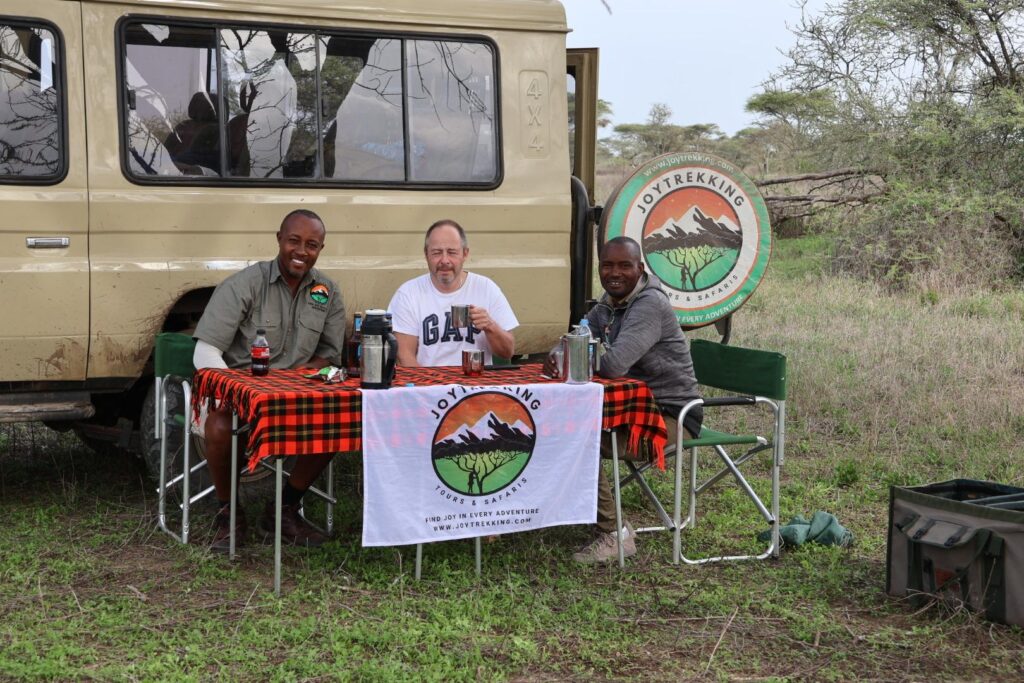
Benefits include:
- Experienced safari guides
- Flexible game drive schedules
- Access to premier wildlife destinations
- Carefully designed Northern Circuit itineraries
- Competitive pricing
- Customized safari options
Whether you are a beginner photographer or an experienced professional, the company offers safari packages suitable for capturing unforgettable wildlife images.
Frequently Asked Questions
Is Tanzania good for wildlife photography?
Yes. Tanzania is widely considered one of the best wildlife photography destinations in Africa due to its abundant wildlife and diverse ecosystems.
What is the best month for a wildlife photography safari in Tanzania?
June through October is generally considered the best period for wildlife photography.
Can beginners join a photography safari?
Absolutely. Many first-time photographers achieve excellent results during Tanzania safaris.
Which park is best for photographing lions?
Serengeti National Park offers some of the best lion photography opportunities in Africa.
Do I need professional camera equipment?
No. Professional equipment helps, but excellent wildlife photographs can also be captured using entry-level cameras.
How many days are ideal for a photography safari?
Five to eight days is generally recommended for maximizing photography opportunities.
What wildlife can I photograph in Tanzania?
You can photograph the Big Five, giraffes, zebras, cheetahs, wildebeest, birds, and many other species.
Conclusion
A Wildlife Photography Safari Tanzania is far more than a holiday. It is an opportunity to witness and document some of the most remarkable wildlife spectacles on the planet. From the endless plains of the Serengeti to the wildlife-rich floor of Ngorongoro Crater and the elephant-filled landscapes of Tarangire, Tanzania offers photographers extraordinary opportunities throughout the year.
Whether your goal is photographing the Big Five, capturing dramatic predator action, documenting the Great Migration, or creating a portfolio of stunning African wildlife images, Tanzania remains one of the world’s premier destinations for wildlife photography.
Ready to capture Africa’s most incredible wildlife moments?
Contact JoyTrekking Tours & Safaris today to plan your customized Wildlife Photography Safari Tanzania. Our experienced safari specialists will help you choose the perfect itinerary, the best wildlife destinations, and the ideal travel season to maximize your photography opportunities.
Request a free safari quote today and start planning your unforgettable Tanzania wildlife photography adventure.