Planning to climb Mount Kilimanjaro in 2026 or 2027? Learn how to choose a reliable Kilimanjaro climbing company, compare routes, understand pricing, safety standards, guide qualifications, and summit success rates before booking your adventure.
A reliable Kilimanjaro climbing company should provide:
How to Choose a Reliable Kilimanjaro Climbing Company for a Safe and Successful Summit
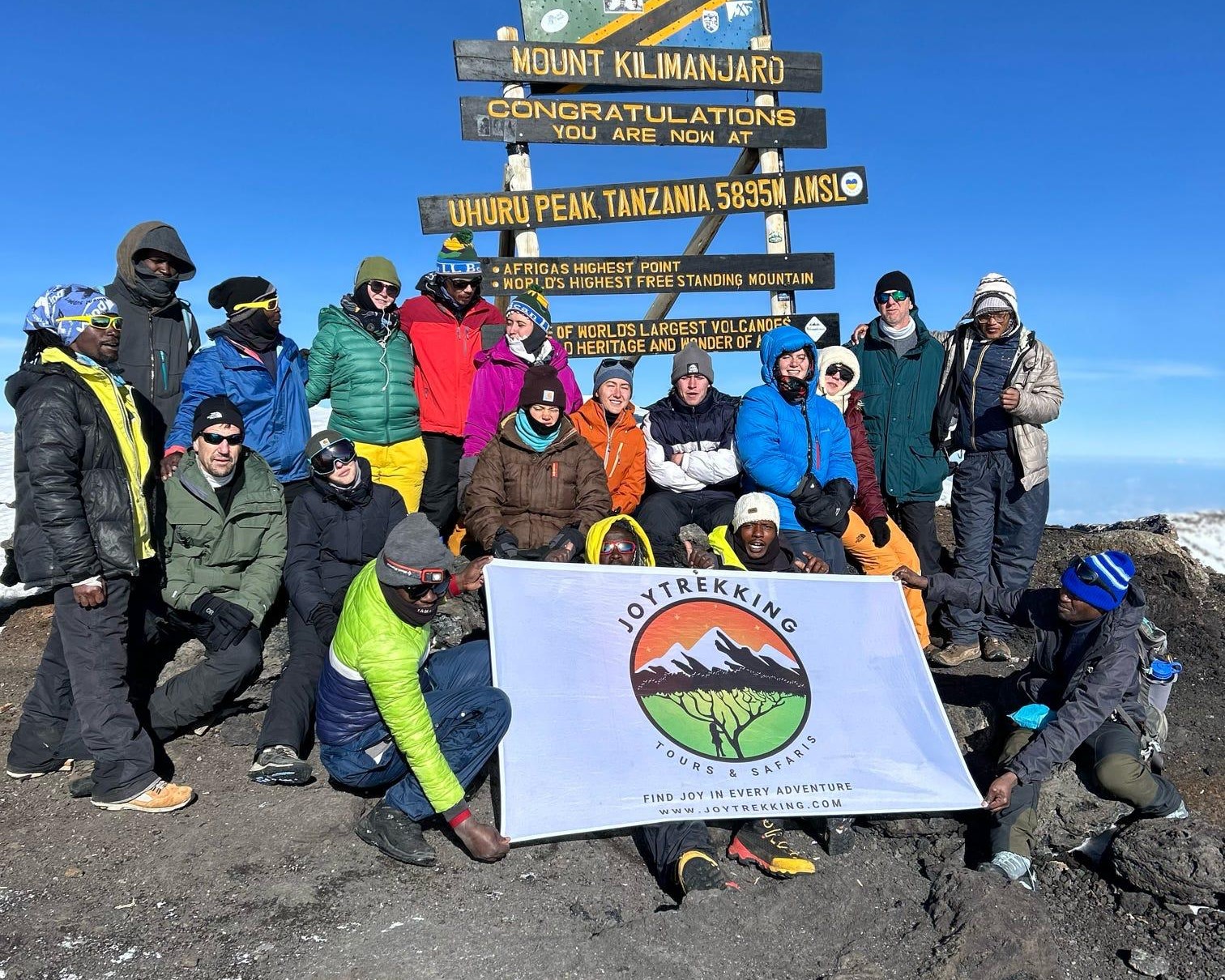
Climbing Mount Kilimanjaro is one of the most rewarding adventures in Africa. Standing at 5,895 meters (19,341 feet), Kilimanjaro is the highest mountain in Africa and one of the world’s most sought-after trekking destinations.
However, reaching Uhuru Peak successfully depends on more than just fitness and determination. The climbing company you choose can significantly affect your safety, comfort, acclimatization, and overall summit success.
With hundreds of operators offering Kilimanjaro climbs, travelers often struggle to identify which companies genuinely prioritize safety, ethical practices, and client success.
This guide explains exactly how to choose a reliable Kilimanjaro climbing company for your 2026 or 2027 expedition and what factors you should evaluate before making a booking.
What Makes a Reliable Kilimanjaro Climbing Company?
A reliable Kilimanjaro climbing company should provide:
Reliable communication before and during the climb
The best operators focus on safety first rather than offering the lowest price.
Why Choosing the Right Kilimanjaro Operator Matters
Many travelers focus primarily on cost when comparing Kilimanjaro packages. While budget is important, choosing solely based on price can increase risks.
Offers excellent acclimatization and among the highest summit success rates on the mountain.
Kilimanjaro Route Comparison Table
Route
Duration
Difficulty
Acclimatization
Scenic Value
Price
Marangu
6 Days
Moderate
Fair
Good
$1,770
Machame
7 Days
Moderate-Challenging
Excellent
Excellent
$2,160
Umbwe
6-7 Days
Challenging
Limited
Excellent
$2,180
Rongai
7 Days
Moderate
Good
Very Good
$2,240
Lemosho
8 Days
Moderate
Excellent
Outstanding
$2,840
Northern Circuit
9 Days
Moderate
Exceptional
Outstanding
$2,850
How Much Should a Kilimanjaro Climb Cost in 2026/2027?
A professionally organized Kilimanjaro climb generally costs between:
Package Level
Estimated Cost
Budget
$1,500–$2,000
Mid-Range
$2,000–$3,000
Premium
$3,000–$5,000+
Pricing depends on:
Route selected
Group size
Duration
Equipment quality
Safety provisions
Crew experience
Kilimanjaro Package Prices from JoyTrekking Tours & Safaris
Route
Duration
Price
Marangu Route
6 Days / 5 Nights
$1,770
Machame Route
7 Days / 6 Nights
$2,160
Umbwe Route
6-7 Days / 5-6 Nights
$2,180
Rongai Route
7 Days / 6 Nights
$2,240
Lemosho Route
8 Days / 7 Nights
$2,840
Northern Circuit Route
9 Days / 8 Nights
$2,850
These packages are designed to maximize safety, comfort, acclimatization, and summit success.
Common Mistakes Travelers Make When Choosing an Operator
Choosing Based Only on Price
The cheapest option is rarely the safest.
Ignoring Route Selection
The route significantly impacts summit success.
Not Checking Reviews
Past customer experiences reveal operational quality.
Booking Too Late
Popular climbing months fill quickly.
Underestimating Altitude
Altitude is the primary challenge—not distance.
Why JoyTrekking Tours & Safaris is a Trusted Kilimanjaro Operator
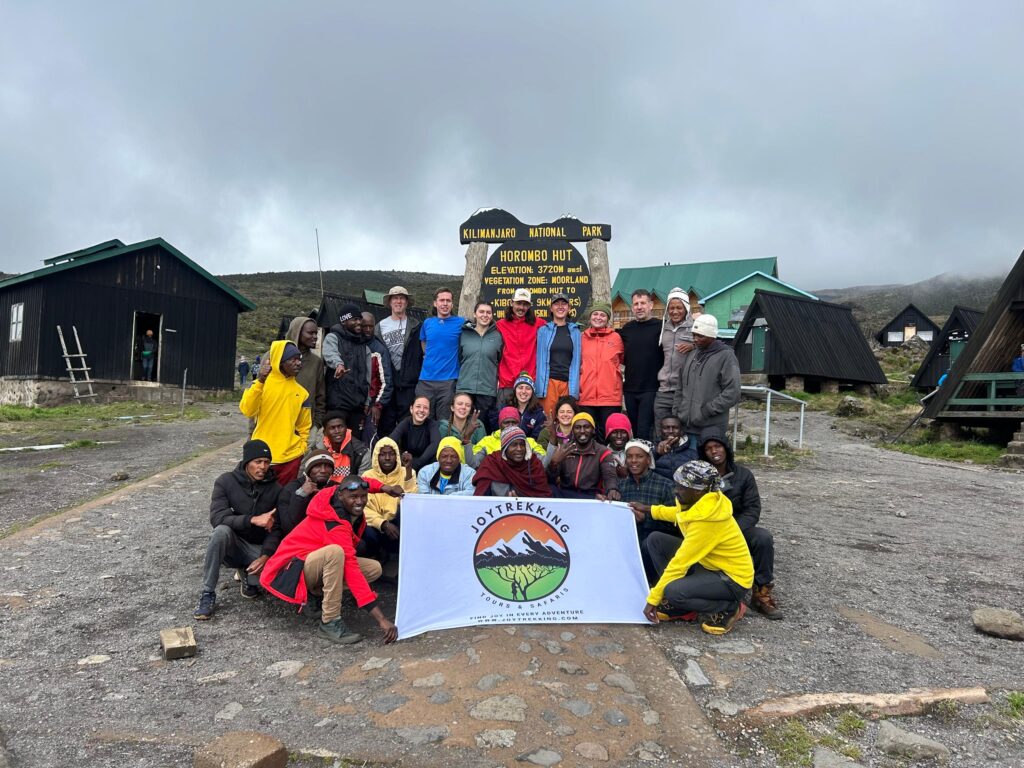
Guests celebrate their Kilimanjaro adventure at Horombo Hut alongside JoyTrekking Tours & Safaris guides and porters, demonstrating the teamwork, safety, and support provided by a reliable Kilimanjaro climbing company.
Whether you choose Marangu, Machame, Lemosho, Rongai, Umbwe, or Northern Circuit, the goal remains the same: helping you reach Uhuru Peak safely and confidently.
What Our Customers say
Griff B2026.06.12
Couldn’t have asked for a better trekking company for our Kilimanjaro climb. January went above and beyond helping us before the trek with supplies, preparation, and logistics. The guides and porters he hired were great people.
Samantha Rice2024.12.21
Joy Trekking Tours is the best tour company for hiking Kili hands down. They have so much energy and care about their clients so much.
Final Tips for a Successful Summit
To maximize your chances of success:
Choose a longer route whenever possible
Arrive well-rested
Train several months in advance
Stay hydrated
Follow guide instructions
Climb slowly
Prioritize acclimatization over speed
The right operator and route combination can dramatically improve your Kilimanjaro experience.
Frequently Asked Questions
What is the safest route up Kilimanjaro?
The Northern Circuit Route is widely considered one of the safest because it provides the most time for acclimatization.
Which Kilimanjaro route has the highest success rate?
Northern Circuit and Lemosho Routes generally achieve the highest summit success rates.
How far in advance should I book a Kilimanjaro climb?
Booking 6–12 months in advance is recommended, especially for peak seasons.
Is Kilimanjaro difficult for beginners?
Yes, but many beginners successfully summit when choosing the right route and operator.
Why are some Kilimanjaro packages much cheaper?
Lower prices may reflect reduced safety measures, inexperienced staff, or poor porter welfare standards.
Do I need travel insurance for Kilimanjaro?
Yes. Comprehensive travel insurance covering high-altitude trekking is strongly recommended.
How many guides accompany a Kilimanjaro climb?
This depends on group size, but reputable operators maintain adequate guide-to-climber ratios for safety.
Can I climb Kilimanjaro year-round?
Yes, although January–March and June–October are generally considered the best climbing seasons.
Start Planning Your Kilimanjaro Adventure Today
Ready to conquer Africa’s highest peak?
Whether you’re looking for the scenic Lemosho Route, the popular Machame Route, or the high-success Northern Circuit Route, JoyTrekking Tours & Safaris can help you choose the perfect itinerary for your experience level, budget, and goals.
Request a personalized Kilimanjaro quote today and let our mountain experts help you plan a safe, successful, and unforgettable summit in 2026 or 2027.
January Mziray is a Kilimanjaro trekking specialist and tourism professional at JoyTrekking Tours & Safaris, with extensive experience guiding and assisting travelers on Mount Kilimanjaro and other adventure destinations across Tanzania.
January received his professional mountain training at College of African WildlifeManagement, Mweka in Moshi, Tanzania, one of the country’s most respected institutions for wildlife conservation, tourism, and mountain guiding education. His training provided a strong foundation in mountain safety, wilderness leadership, environmental conservation, first aid, and high-altitude trekking operations.
Through years of working with climbers from around the world, January has developed in-depth knowledge of Kilimanjaro’s major routes, including the Marangu, Machame, Lemosho, Rongai, Umbwe, and Northern Circuit routes. He is passionate about helping travelers prepare for successful summits by sharing practical advice on route selection, acclimatization, packing, safety, and responsible mountain tourism.